Jacksonville's Mixed-Use Properties: A Smart Investment Strategy
Learn how residential-commercial hybrid properties are transforming Jacksonville's real estate market and creating unique opportunities for investors.

The Rise of Mixed-Use Development in Jacksonville
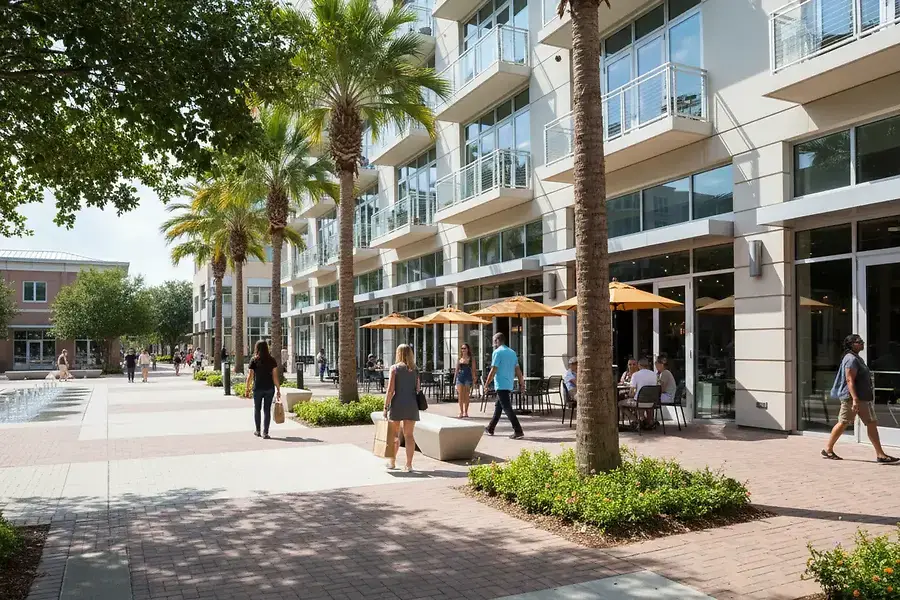
Jacksonville's real estate market is experiencing a significant transformation, with mixed-use properties emerging as one of the most dynamic investment opportunities in the region. These innovative developments, which combine residential units with commercial spaces, are reshaping how people live, work, and shop in urban and suburban areas throughout the city.
The appeal of mixed-use properties lies in their versatility and income-generating potential. Unlike traditional single-purpose real estate investments, mixed-use developments create vibrant communities where residents can access retail, dining, and entertainment options without leaving their neighborhoods. This shift reflects broader national trends toward walkable, integrated communities that prioritize convenience and quality of life.
Understanding Residential-Commercial Properties: Benefits and Opportunities
Multiple Revenue Streams
One of the primary advantages of mixed-use properties is their ability to generate income from multiple sources. Investors can earn rental revenue from residential tenants while simultaneously collecting commercial lease payments from retail shops, restaurants, offices, and service providers. This diversification reduces risk and creates more stable, predictable cash flows compared to single-use properties.
Enhanced Property Value
Mixed-use developments typically command higher property valuations due to their multifaceted appeal. The combination of residential and commercial components creates a synergistic effect that increases overall property desirability and market value. This appreciation potential makes mixed-use investments particularly attractive for long-term wealth building.
Tenant Retention and Stability
Properties that offer convenience and integrated services tend to experience higher tenant retention rates. Residents appreciate the ability to shop, dine, and conduct business within their own community, creating a sense of place that encourages long-term occupancy. This stability translates to reduced vacancy rates and more consistent revenue for property owners.
Community Development Impact
Mixed-use properties contribute to neighborhood revitalization and economic growth. By attracting diverse businesses and residents, these developments create vibrant hubs that stimulate local commerce and improve quality of life. Investors benefit not only financially but also from the satisfaction of contributing to community development.
Jacksonville's Top Mixed-Use Neighborhoods and Investment Potential
Downtown Jacksonville
The downtown core continues to attract significant investment and development activity. With ongoing revitalization efforts, waterfront access, and increasing residential demand, downtown Jacksonville offers compelling opportunities for mixed-use investors. The area's growing cultural scene and business district make it an attractive location for both residents and commercial tenants.
Riverside and Avondale
These historic neighborhoods have emerged as prime mixed-use investment destinations. Their tree-lined streets, architectural character, and established communities provide an ideal foundation for mixed-use development. The areas' proximity to downtown and strong neighborhood identity make them particularly attractive to investors seeking established, walkable communities.
San Marco
Known for its upscale residential character and thriving commercial district, San Marco represents a mature mixed-use market. The neighborhood's successful integration of residential and retail spaces demonstrates the viability of this investment model. Properties here command premium prices but offer excellent income potential and appreciation prospects.
Emerging Neighborhoods
Areas like Five Points and the Riverside corridor are experiencing rapid transformation. These neighborhoods offer more affordable entry points for investors while presenting significant growth potential. Early investors in these emerging mixed-use markets stand to benefit substantially as these areas continue to develop and appreciate.
How to Evaluate and Invest in Mixed-Use Properties: A Practical Guide
Conduct Thorough Market Analysis
Before investing in any mixed-use property, conduct comprehensive research on the local market. Analyze demographic trends, population growth, employment patterns, and consumer spending habits. Understanding the neighborhood's economic fundamentals will help you assess the viability of both residential and commercial components.
Evaluate the Property's Mixed-Use Balance
Examine the ratio of residential to commercial space and assess whether it aligns with market demand. The ideal balance varies by neighborhood and property type. Properties with well-proportioned mixed-use components tend to perform better than those with disproportionate allocations.
Assess Tenant Quality and Diversity
Review existing tenant rosters and lease terms. Properties with diverse, stable tenants across both residential and commercial spaces present lower risk. Look for long-term lease agreements and tenants with strong credit histories and operational track records.
Analyze Financial Performance
Calculate key metrics including:
- Net Operating Income (NOI) from both residential and commercial components
- Capitalization rates compared to single-use properties
- Debt service coverage ratios
- Vacancy rates for both residential and commercial spaces
- Projected cash flow and return on investment
Consider Location and Accessibility
Location remains paramount in real estate investing. Evaluate foot traffic patterns, parking availability, public transportation access, and visibility from major roads. Properties in high-traffic, accessible locations typically generate stronger commercial revenue and attract higher-quality residential tenants.
Review Zoning and Regulatory Compliance
Ensure the property complies with local zoning regulations and building codes. Verify that both residential and commercial uses are permitted and that the property meets all safety and accessibility requirements. Understanding regulatory requirements prevents costly surprises and ensures long-term operational viability.
Work with Experienced Professionals
Partner with real estate agents, attorneys, and accountants who specialize in mixed-use properties. Their expertise in navigating the complexities of dual-use investments will prove invaluable. Professional guidance helps identify opportunities, structure deals effectively, and optimize tax benefits.
Conclusion: Positioning Yourself for Success in Jacksonville's Evolving Market
Jacksonville's mixed-use property market represents a compelling investment opportunity for those seeking diversified income streams and long-term wealth creation. The combination of residential and commercial components creates resilient investments that weather market fluctuations better than single-use properties.
Success in this market requires thorough research, careful evaluation, and strategic decision-making. By understanding the benefits of mixed-use properties, identifying promising neighborhoods, and following a disciplined investment approach, you can position yourself to capitalize on Jacksonville's evolving real estate landscape.
The future of Jacksonville's real estate market increasingly points toward integrated, walkable communities where residents and businesses thrive together. Early investors who recognize this trend and act strategically will be well-positioned to achieve substantial returns while contributing to the city's continued growth and development.


