Kansas City Home Inspection Essentials: What Buyers Need to Know
Master the critical inspection process to protect your investment and negotiate confidently in Kansas City's competitive real estate market.

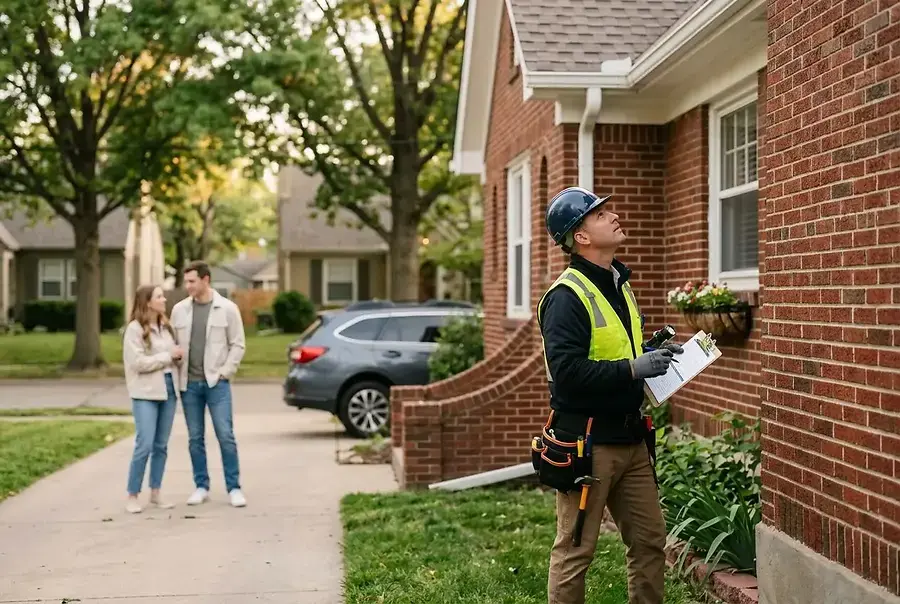
Why Home Inspections Matter in Kansas City
Purchasing a home is one of the largest financial decisions you'll make, and in Kansas City's competitive real estate market, it's crucial to protect your investment. A comprehensive home inspection serves as your safeguard, providing an objective assessment of the property's condition before you commit to the purchase. Unlike appraisals, which determine market value, inspections focus on identifying structural issues, safety concerns, and maintenance needs that could cost thousands of dollars to repair.
Kansas City homes, ranging from historic Victorian properties to modern suburban residences, each present unique inspection considerations. The region's climate, with hot summers and cold winters, puts particular stress on roofing, HVAC systems, and foundations. By understanding what inspectors look for and how to interpret their findings, you'll be equipped to make informed decisions and negotiate repairs confidently.
Key Systems Inspectors Check: Roofing, Foundation, HVAC, and Plumbing
Roofing and Exterior
Your roof is your home's first line of defense against Kansas City's weather. Inspectors examine shingles for curling, missing pieces, or granule loss—signs that replacement may be needed soon. They also check flashing around chimneys and vents, gutters, and downspouts to ensure proper water drainage. A roof in poor condition can lead to water damage, mold, and structural deterioration, making this one of the most critical inspection areas.
Foundation and Structural Integrity
Kansas City's clay-heavy soil can shift seasonally, affecting foundations. Inspectors look for cracks in the foundation, basement walls, and crawl spaces. While minor hairline cracks are common, larger cracks or signs of water intrusion warrant closer examination. Uneven floors, doors that don't close properly, and visible settling are red flags that suggest foundation movement or structural issues requiring professional evaluation.
HVAC Systems
Heating and cooling systems are essential in Kansas City's climate extremes. Inspectors test furnaces, air conditioners, and thermostats to ensure they operate efficiently. They check for proper ventilation, inspect ductwork for leaks, and verify that systems are appropriately sized for the home. An aging or malfunctioning HVAC system can be expensive to replace, so understanding its condition and remaining lifespan is vital.
Plumbing and Water Systems
Inspectors evaluate water pressure, drainage, and the condition of pipes throughout the home. They check for leaks, corrosion, and outdated materials like galvanized steel or polybutylene pipes, which may need replacement. Water heater age and condition are also assessed, as these systems typically last 8-12 years. Proper plumbing function is essential for daily living and prevents costly water damage.
Red Flags to Watch For and How to Negotiate Repairs
Common Issues in Kansas City Homes
Several issues appear frequently in inspection reports for Kansas City properties:
- Water Damage and Moisture: Basements and crawl spaces are prone to moisture issues due to heavy rainfall and clay soil. Look for staining, mold, or musty odors.
- Roof Age: Roofs older than 20 years typically need replacement, which can cost $8,000-$15,000 or more.
- Outdated Electrical Systems: Older homes may have inadequate wiring or outdated panels that don't meet current safety standards.
- Asbestos and Lead Paint: Homes built before the 1980s may contain asbestos in insulation or lead paint, requiring professional remediation.
- Poor Ventilation: Inadequate attic or bathroom ventilation can lead to moisture problems and reduced HVAC efficiency.
Negotiating Repairs and Credits
Once you receive the inspection report, you have several options. You can request that the seller make repairs before closing, ask for a credit toward repairs you'll handle yourself, or renegotiate the purchase price. In Kansas City's competitive market, sellers may be reluctant to make extensive repairs, so prioritize major issues affecting safety and structural integrity.
Focus your negotiations on:
- Critical safety issues (electrical hazards, gas leaks, structural problems)
- Major systems nearing end of life (roof, HVAC, water heater)
- Water intrusion and foundation concerns
- Code violations or unpermitted work
Minor cosmetic issues or routine maintenance items are typically the buyer's responsibility. Be reasonable in your requests—sellers are more likely to negotiate if you focus on legitimate concerns rather than attempting to renegotiate the entire purchase based on minor findings.
When to Walk Away
Some inspection findings may indicate problems too costly or complex to address. If the report reveals extensive foundation damage, severe mold contamination, or structural issues requiring major repairs, carefully consider whether the property is worth the investment. Your inspector can provide cost estimates for repairs, helping you make this critical decision.
Making Informed Decisions with Inspection Reports
A thorough home inspection report is your roadmap to understanding your potential purchase. Take time to review the entire document, not just the summary. Ask your inspector to explain findings you don't understand, and don't hesitate to request a follow-up consultation if needed.
Use the inspection report strategically during negotiations, but remain realistic about what constitutes a legitimate repair request. In Kansas City's market, homes that are well-maintained and have fewer issues will command higher prices and attract multiple offers. Conversely, properties with significant issues may be priced accordingly, giving you leverage to negotiate.
Remember that a home inspection is an investment in your peace of mind and financial security. By understanding what inspectors evaluate and how to interpret their findings, you'll navigate Kansas City's real estate market with confidence and protect your investment for years to come.


