Katy Home Inspections: What Every Buyer Should Know Before Closing
Discover the critical inspection points that protect your investment and reveal hidden issues before closing.

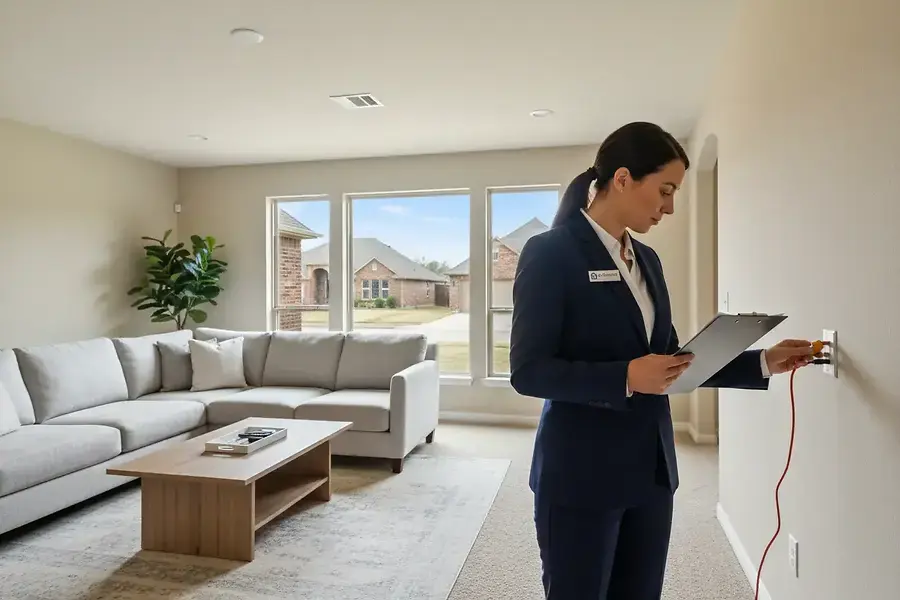
The Importance of a Thorough Home Inspection in Katy
Purchasing a home is one of the most significant financial decisions you'll make in your lifetime. In Katy, Texas, where the real estate market is competitive and homes vary widely in age and condition, a professional home inspection is not just recommended—it's essential. A comprehensive inspection serves as your safeguard, providing detailed insights into the property's condition before you commit to closing.
Many first-time homebuyers underestimate the value of a thorough inspection, viewing it as an unnecessary expense. However, the cost of an inspection—typically between $300 and $500—is minimal compared to the potential costs of addressing undiscovered structural damage, electrical hazards, or plumbing issues after purchase. An inspector acts as your advocate, examining every accessible part of the home and identifying problems that could affect your safety, comfort, and long-term investment.
Key Areas Inspectors Examine: Structural, Mechanical, and Safety Systems
Structural Components
Professional inspectors begin by evaluating the home's foundation and structural integrity. In Katy, where soil conditions and humidity levels can impact foundations, this examination is particularly critical. Inspectors look for:
- Cracks in the foundation or basement walls
- Signs of settling or shifting
- Water intrusion or moisture damage
- Roof condition and potential leaks
- Wall and floor integrity
These structural issues can be expensive to repair and may indicate deeper problems with the home's stability.
Mechanical Systems
The home's mechanical systems—including HVAC, plumbing, and electrical—are vital to daily living. Inspectors thoroughly evaluate:
- HVAC Systems: Age, functionality, and maintenance history of heating and cooling units
- Plumbing: Water pressure, drainage, pipe materials, and signs of leaks or corrosion
- Electrical: Panel condition, outlet safety, grounding, and code compliance
- Water Heater: Age, capacity, and operational status
Aging or malfunctioning systems can lead to costly repairs or replacements, making this assessment crucial for budgeting future maintenance.
Safety Systems
Inspectors also verify that safety systems are properly installed and functional:
- Smoke and carbon monoxide detectors
- Fire extinguishers and escape routes
- Handrails and stair safety
- Proper ventilation in bathrooms and kitchens
These systems protect your family and may be required by local building codes.
Common Issues Found in Katy Homes and How to Address Them
Foundation and Water Damage
Katy's climate and soil composition make foundation and water damage common concerns. If an inspector identifies foundation cracks or water intrusion, request a specialized foundation inspection before proceeding. Minor cracks may be cosmetic, but significant damage could require expensive repairs. Understanding the extent of the problem allows you to negotiate repairs or credits with the seller.
Roof Issues
The intense Texas sun and occasional severe weather can accelerate roof deterioration. Inspectors examine shingles, flashing, and gutters for signs of wear. If the roof is nearing the end of its lifespan, budget for replacement within the next few years, or negotiate with the seller to address repairs before closing.
HVAC System Age
Air conditioning systems in Katy work overtime due to the hot climate. An aging or inefficient HVAC system can significantly impact your utility bills. If the inspection reveals an older unit, consider:
- Requesting the seller replace it before closing
- Negotiating a credit toward replacement costs
- Budgeting for replacement in your first year of ownership
Plumbing and Water Quality
Older homes in Katy may have outdated plumbing materials or water quality issues. Inspectors test water pressure and look for signs of corrosion or leaks. If problems are found, you may want to request a separate water quality test to ensure your family's health and safety.
Pest and Termite Damage
Texas's warm climate creates ideal conditions for termites and other pests. While a standard home inspection includes a visual assessment, consider hiring a specialized pest inspector if the initial inspection raises concerns. Termite damage can be extensive and costly to repair.
Making Informed Decisions with Professional Inspection Reports
Once the inspection is complete, you'll receive a detailed report outlining all findings. This document is your roadmap for negotiation and future maintenance. Here's how to use it effectively:
Review and Prioritize
Not all issues require immediate action. Inspectors typically categorize findings by severity. Focus on major structural, safety, and system issues that could affect your home's value or your family's safety. Minor cosmetic issues can often be addressed later.
Negotiate with the Seller
Armed with the inspection report, you have leverage to negotiate. You can request that the seller:
- Repair critical issues before closing
- Provide credits toward repairs you'll handle yourself
- Offer a price reduction to account for necessary work
Plan for Future Maintenance
The inspection report also serves as a maintenance guide. Understanding your home's systems and their condition helps you budget for future repairs and replacements, preventing costly surprises down the road.
A professional home inspection is an investment in your peace of mind and financial security. It empowers you to make informed decisions and protects your most valuable asset.
In Katy's competitive real estate market, a thorough home inspection is your best defense against hidden problems and unexpected expenses. By understanding what inspectors examine and how to use their findings, you can confidently move forward with your purchase, knowing you've made a well-informed decision. Don't skip this critical step—your future self will thank you.


