Kaysville Home Inspection Checklist: What Buyers Should Know
Discover the essential inspection points that protect your investment and reveal hidden issues before you buy.

Why Home Inspections Matter in Kaysville's Competitive Market
Buying a home in Kaysville is one of the most significant financial decisions you'll make. In today's competitive real estate market, it's easy to get caught up in the excitement of finding the perfect property and overlook critical details. This is where a professional home inspection becomes invaluable.
A comprehensive home inspection provides an objective assessment of a property's condition, revealing potential issues that could cost thousands of dollars to repair. Whether you're a first-time buyer or an experienced investor, understanding what inspectors look for can help you make informed decisions and protect your investment.
Home inspections serve multiple purposes:
- Identify safety hazards that could endanger your family
- Uncover hidden defects that aren't visible during a casual walkthrough
- Provide negotiating leverage for repairs or price adjustments
- Give you peace of mind about your purchase
- Help you budget for future maintenance and repairs
Critical Systems to Evaluate: Roof, Foundation, Plumbing, and Electrical
Roof Inspection
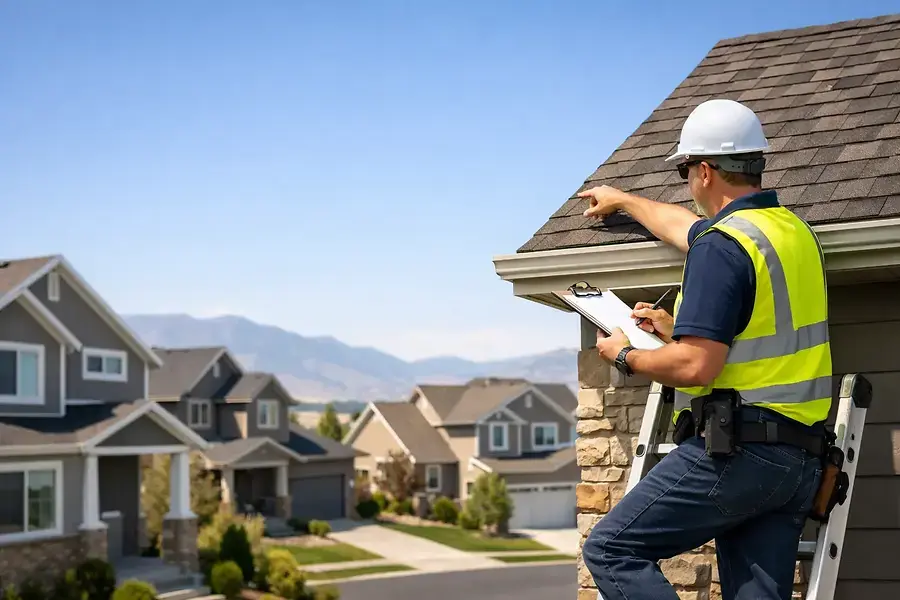
The roof is one of your home's most important protective features. Inspectors examine the roof's age, condition, and remaining lifespan. They look for missing or damaged shingles, signs of leaks, proper ventilation, and the condition of flashing around chimneys and vents.
Key concerns: A roof nearing the end of its life can be expensive to replace, often costing $10,000 or more. Understanding the roof's condition helps you plan for this significant expense.
Foundation Assessment
A solid foundation is essential for structural integrity. Inspectors check for cracks, settling, water damage, and signs of moisture intrusion. They examine both the interior and exterior of the foundation, looking for evidence of past or ongoing problems.
Foundation issues can be serious and costly, so this inspection component deserves careful attention. Even minor cracks should be documented and monitored.
Plumbing Systems
Inspectors evaluate water pressure, drainage, and the condition of pipes throughout the home. They check for leaks, corrosion, and proper installation. In older Kaysville homes, outdated plumbing materials may need replacement.
Key inspection points include:
- Water heater age and condition
- Presence of galvanized pipes (which may need replacement)
- Proper slope of drain lines
- Functionality of all fixtures
- Signs of water damage or leaks
Electrical Systems
A thorough electrical inspection ensures your home meets current safety codes. Inspectors examine the main panel, circuit breakers, outlets, and wiring. They verify that the electrical system has adequate capacity for modern appliances and devices.
Safety is paramount: Outdated or faulty electrical systems pose fire hazards and should be addressed immediately. Older homes may have aluminum wiring or insufficient grounding, which require professional attention.
Common Issues Found in Kaysville Homes and How to Address Them
Water Damage and Moisture Problems
Kaysville's climate can contribute to moisture-related issues. Inspectors look for signs of water intrusion in basements, attics, and crawl spaces. Proper grading, gutters, and drainage systems are essential for preventing water damage.
Solution: If water damage is found, address the source immediately. This might involve improving drainage, repairing gutters, or installing a sump pump system.
HVAC System Concerns
Heating and cooling systems are critical in Utah's climate. Inspectors evaluate the age, condition, and efficiency of furnaces and air conditioning units. They check for proper installation, maintenance history, and remaining lifespan.
Replacing an HVAC system can cost $5,000 to $15,000, so understanding its condition is important for budgeting purposes.
Insulation and Energy Efficiency
Many older Kaysville homes lack adequate insulation. Inspectors assess attic insulation levels and identify areas where energy efficiency could be improved. Better insulation reduces utility bills and improves comfort.
Structural Issues
Sagging floors, cracked drywall, or uneven ceilings may indicate structural problems. While some settling is normal in older homes, significant structural issues require professional evaluation and repair.
Professional home inspections often reveal issues that save buyers thousands of dollars in unexpected repairs and provide crucial information for making confident purchasing decisions.
Using Inspection Results to Negotiate and Make Confident Offers
Once you receive the inspection report, you have several options:
- Request repairs: Ask the seller to fix significant issues before closing
- Negotiate a price reduction: Reduce your offer to account for repair costs
- Request a credit: Have the seller provide funds at closing for repairs you'll handle
- Walk away: If major issues exist, you may decide the property isn't right for you
The inspection report gives you concrete evidence to support your negotiations. Rather than making vague concerns, you can point to specific findings from a licensed professional.
Tips for using inspection results effectively:
- Prioritize major issues over minor cosmetic concerns
- Get repair estimates from contractors to support your negotiations
- Focus on safety-related issues and systems critical to home function
- Be reasonable in your requests—sellers are more likely to cooperate with fair demands
- Have your real estate agent review the report and advise on next steps
Understanding the inspection process and knowing what to look for empowers you as a buyer. A professional home inspection is a small investment that can save you from costly mistakes and help you purchase your Kaysville home with confidence.
Don't skip this crucial step in the home-buying process. Your future self will thank you for the diligence and care you take today.


