Kentucky's Booming Mixed-Use Markets: Where Commercial Meets Residential
Discover how residential-commercial properties are reshaping Kentucky communities and creating wealth-building opportunities for savvy investors.

The Rise of Hybrid Property Investment in Kentucky
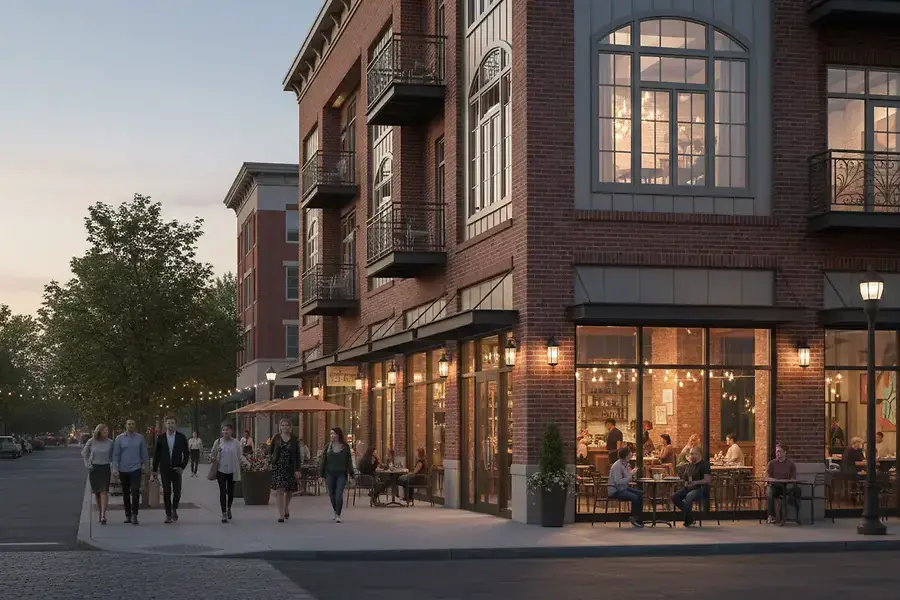
Kentucky's real estate landscape is undergoing a remarkable transformation. The days of strictly residential or purely commercial properties are fading as mixed-use developments take center stage. These hybrid properties—combining residential units with retail, office, or hospitality spaces—are revolutionizing how communities develop and how investors build wealth.
The appeal is straightforward: mixed-use properties generate multiple revenue streams from a single investment. A building might house apartments on upper floors with restaurants, shops, or professional offices below. This diversification reduces risk and maximizes profitability, making these properties increasingly attractive to both seasoned investors and newcomers to the real estate market.
Kentucky's unique position—with affordable land compared to coastal markets, growing urban centers, and strong community development initiatives—creates the perfect environment for mixed-use growth. Cities like Louisville and Lexington are leading this charge, but opportunity extends throughout the state.
Why Residential-Commercial Properties Outperform in Louisville, Lexington, and Beyond
Multiple Income Streams
The primary advantage of mixed-use properties is simple mathematics. You're not relying on a single tenant or market segment. Residential units provide steady, long-term rental income, while commercial spaces often command premium rates. If one sector experiences a downturn, the other can compensate, creating a natural hedge against market volatility.
Increased Property Value
Mixed-use properties typically appreciate faster than single-use buildings. The versatility and income-generating potential make them more valuable to a broader range of buyers. In Louisville's Bardstown Road corridor and Lexington's downtown revival areas, mixed-use properties have seen appreciation rates outpacing traditional residential investments by 20-30%.
Community Demand and Walkability
Modern residents increasingly prefer walkable neighborhoods where they can live, work, and play without relying on cars. Mixed-use developments satisfy this demand perfectly. Properties that offer convenience and community engagement attract quality tenants willing to pay premium rates, whether they're renting apartments or leasing commercial space.
Tax Benefits and Incentives
Kentucky offers attractive incentives for mixed-use development, including:
- Historic preservation tax credits for renovating older buildings
- Opportunity Zone benefits in designated areas
- Local economic development grants and abatements
- Depreciation advantages across both residential and commercial components
Top Mixed-Use Neighborhoods: From Crestwood to Shepherdsville
Louisville's Emerging Hotspots
Crestwood represents Louisville's suburban mixed-use evolution. This growing community is attracting developers who understand that modern neighborhoods need integrated residential-commercial spaces. Properties here offer lower entry costs than downtown while capturing strong appreciation potential.
Bardstown Road continues to be a mixed-use powerhouse. Historic buildings are being converted into apartments with ground-floor retail, creating vibrant streetscapes that draw both residents and visitors. The neighborhood's established character combined with new development creates a compelling investment case.
The Waterfront area has transformed dramatically, with mixed-use developments replacing industrial spaces. Residential lofts above restaurants, shops, and entertainment venues have created one of Louisville's most dynamic neighborhoods.
Lexington's Downtown Renaissance
Lexington's downtown core is experiencing a residential renaissance. Historic buildings are being reimagined as mixed-use spaces, with apartments above boutiques, restaurants, and professional offices. The city's commitment to downtown revitalization makes these properties particularly attractive for long-term appreciation.
Beyond the Major Cities
Shepherdsville and other secondary markets offer opportunities for investors seeking lower acquisition costs with solid growth potential. As Kentucky's population continues to shift toward smaller cities and suburban areas, mixed-use properties in these communities are positioned for significant appreciation.
Getting Started: Your Action Plan for Investing in Dual-Purpose Properties
Step 1: Understand Your Market
Before investing, research your target market thoroughly. Analyze demographic trends, employment growth, and development plans. Are young professionals moving to the area? Is the local government investing in infrastructure? These factors determine long-term success.
Step 2: Evaluate the Numbers
Mixed-use properties require more complex analysis than single-use buildings. You need to evaluate:
- Residential rental rates and occupancy rates
- Commercial lease rates and tenant quality
- Operating expenses for both components
- Potential for rent growth in each segment
- Exit strategy and comparable sales
Step 3: Secure Appropriate Financing
Traditional lenders understand mixed-use properties, but you'll need to present detailed financial projections. Work with lenders experienced in these property types. Some banks offer specialized mixed-use loans with favorable terms, recognizing the reduced risk profile.
Step 4: Partner with Experienced Professionals
Success requires a strong team: a real estate attorney familiar with mixed-use leases, an accountant who understands the tax implications, and a property manager experienced with dual-component properties. These professionals pay for themselves through better deals and optimized operations.
Step 5: Start with Education
Attend local real estate investment meetings, join Kentucky real estate associations, and study successful mixed-use projects in your target market. Knowledge reduces risk and improves decision-making. Many successful investors started by learning from others' experiences.
Step 6: Begin Small and Scale
Your first mixed-use property doesn't need to be a massive development. A duplex with a ground-floor office or a small commercial building with residential units above can provide valuable experience. As you learn the nuances, you can pursue larger opportunities.
The Future of Kentucky Real Estate
Mixed-use properties represent the future of real estate investment in Kentucky. They address genuine community needs, provide superior financial returns, and benefit from favorable market conditions and incentives. Whether you're in Louisville, Lexington, or smaller Kentucky communities, opportunities abound for investors willing to understand this dynamic property type.
The key is starting now. As more investors recognize the potential, competition will increase and prices will rise. The best time to enter the mixed-use market is before it becomes mainstream in your target area. With proper research, sound financial analysis, and professional guidance, mixed-use properties can become the cornerstone of a wealth-building real estate portfolio.


