Kilauea Homes: Understanding Lava Zone Ratings and Resale Impact
Learn how volcanic risk assessments affect property values and buyer confidence in Hawaii's most geologically active neighborhood.

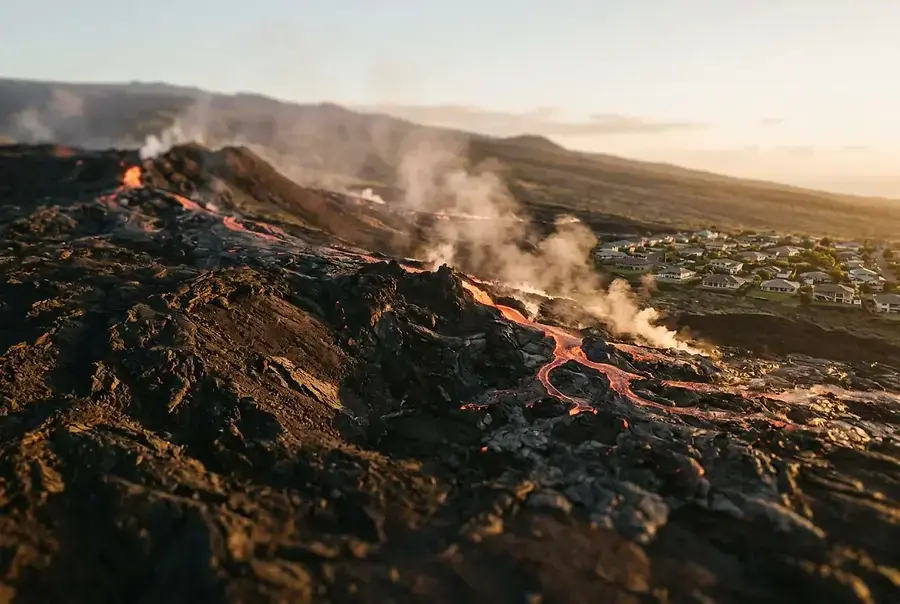
Why Lava Zone Ratings Matter to Kilauea Homeowners
Living on the slopes of Kilauea volcano offers a unique Hawaiian experience, but it comes with distinct challenges that set it apart from other real estate markets. For homeowners in this geologically active region, understanding lava zone ratings isn't just academic—it's essential to protecting your investment and planning your financial future.
Lava zone ratings are classifications assigned by the U.S. Geological Survey (USGS) that indicate the relative probability of a property being impacted by lava flows during the next 200 years. These zones range from Zone 1 (highest risk) to Zone 9 (lowest risk), and they serve as the foundation for insurance pricing, property valuations, and buyer decision-making. Properties in higher-risk zones face significantly different market dynamics than those in lower-risk areas.
The reality is that volcanic hazard zones directly influence every aspect of property ownership in Kilauea. From the moment you purchase a home to the day you sell it, these ratings shape your financial obligations and opportunities. Understanding this system empowers you to make informed decisions about your property and navigate the market with confidence.
How Volcanic Risk Zones Influence Property Valuations and Insurance Costs
The Valuation Impact
Lava zone ratings have a profound effect on property values. Homes in Zones 1 and 2, which face the highest volcanic risk, typically command significantly lower prices than comparable properties in Zones 8 and 9. This isn't merely speculation—it reflects genuine differences in insurance costs, financing availability, and buyer demand.
Appraisers in the Kilauea area must account for volcanic hazard zones when determining property values. A home in Zone 1 might be valued 30-50% lower than an identical property in Zone 4, depending on market conditions and other factors. This valuation gap reflects the increased risk and the reduced pool of potential buyers willing to accept that risk.
Insurance Considerations
Standard homeowners insurance policies typically exclude volcanic damage, making specialized volcanic hazard insurance essential for properties in higher-risk zones. This insurance is more expensive and harder to obtain as lava zone risk increases. Consider these key points:
- Zone 1-2 Properties: Volcanic hazard insurance premiums can be substantial, sometimes costing thousands of dollars annually
- Zone 3-4 Properties: Insurance remains expensive but may be more readily available through standard carriers
- Zone 5+ Properties: Many standard policies cover volcanic damage, reducing overall insurance costs
Beyond the direct cost of volcanic insurance, lenders often require proof of adequate coverage before approving mortgages. This requirement can limit financing options for higher-risk properties, further affecting their marketability and value.
Financing and Buyer Accessibility
Mortgage lenders view lava zone ratings as risk indicators. Properties in Zones 1-3 may face stricter lending requirements, higher interest rates, or outright denial of financing. This creates a cascading effect: fewer buyers can secure financing, demand decreases, and property values decline further.
Conversely, properties in lower-risk zones enjoy greater financing accessibility, attracting a broader pool of potential buyers and supporting more stable property values.
Selling Your Kilauea Property: Transparency and Market Positioning Strategies
Disclosure and Transparency
Hawaii law requires sellers to disclose the lava zone rating of their property. This isn't optional—it's a legal obligation. Rather than viewing this as a liability, savvy sellers use transparency as a trust-building tool. Providing comprehensive information about your property's volcanic hazard zone, along with mitigation strategies and insurance solutions, demonstrates professionalism and honesty.
Key disclosure items include:
- Official USGS lava zone rating and map
- Historical volcanic activity in the area
- Available insurance options and costs
- Any previous volcanic damage or near-misses
- Mitigation measures taken on the property
Strategic Market Positioning
Successfully selling a Kilauea property requires emphasizing its unique advantages while honestly addressing volcanic risk. Consider these positioning strategies:
Highlight the lifestyle appeal: Kilauea properties offer stunning volcanic landscapes, unique geological features, and a sense of living in one of Earth's most dynamic environments. Market these lifestyle benefits to buyers seeking authentic Hawaiian experiences.
Emphasize community resilience: Kilauea residents are part of a tight-knit community with deep knowledge of volcanic hazards. Showcase community preparedness, evacuation plans, and the collective experience of living safely in this environment.
Provide comprehensive insurance information: Rather than hiding insurance costs, present them transparently alongside the property's benefits. Help buyers understand that volcanic hazard insurance is a manageable expense for the privilege of living in this unique location.
Leverage lower entry prices: Properties in higher-risk zones often appeal to investors, vacation rental operators, and buyers seeking affordable Hawaiian real estate. Position your property to attract these specific buyer segments.
Pricing Strategy
Work with a real estate professional experienced in Kilauea properties. They understand how lava zone ratings affect pricing and can help you set a competitive price that reflects both the risks and rewards of your property. Overpricing based on location alone will deter buyers; underpricing leaves money on the table.
The key to successful Kilauea real estate transactions is honest communication combined with strategic positioning that emphasizes both the unique appeal and the manageable risks of volcanic living.
Building Long-Term Value in a Unique Real Estate Market
Owning property in Kilauea requires a different mindset than traditional real estate investment. Rather than expecting consistent appreciation, successful Kilauea homeowners focus on the lifestyle benefits, community connections, and the unique privilege of living in one of the world's most geologically significant locations.
If you're considering purchasing Kilauea property, research the lava zone rating thoroughly and factor volcanic insurance into your long-term financial planning. If you're selling, embrace transparency, position your property strategically, and work with professionals who understand this specialized market.
The volcanic landscape that makes Kilauea challenging also makes it extraordinary. By understanding lava zone ratings and their market implications, you can navigate this unique real estate market with confidence and build lasting value in Hawaii's most geologically active neighborhood.


