Kingston, TN Real Estate Taxes: What Homeowners Actually Pay
Learn how property taxes are calculated in Kingston and what you can expect to budget annually.

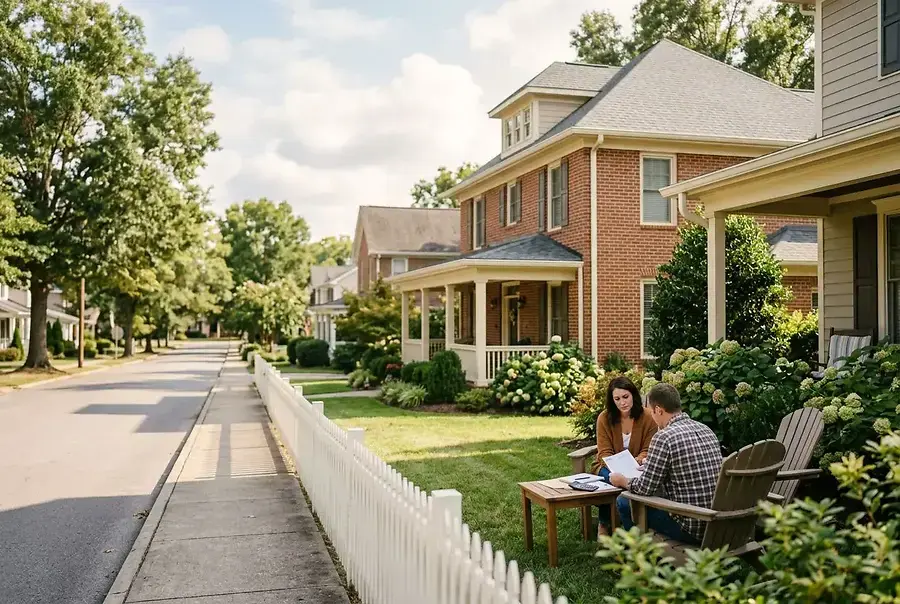
Introduction: Understanding Kingston's Property Tax Landscape
If you're a homeowner in Kingston, Tennessee, or considering purchasing property in this charming riverside community, understanding your property tax obligations is essential for budgeting and financial planning. Property taxes represent one of the most significant ongoing expenses for homeowners, yet many people don't fully understand how they're calculated or what factors influence their annual bills.
Kingston, located in Roane County, has a unique property tax structure that reflects both local and county-level assessments. Unlike some states that rely heavily on income taxes, Tennessee has no state income tax, which means property taxes play a more prominent role in funding local services and schools. This article will guide you through the ins and outs of Kingston's property tax system, helping you understand what you'll actually pay and how to budget accordingly.
How Kingston Property Taxes Are Calculated and Assessed
The Assessment Process
Property taxes in Kingston begin with a professional assessment of your home's value. The Roane County Assessor's office is responsible for determining the assessed value of all residential properties in the county, including those in Kingston. This assessment is typically conducted every few years, though properties may be reassessed more frequently if significant improvements are made or if there are substantial changes in the local real estate market.
The assessed value is not the same as your home's market value. Instead, assessors use a percentage of the market value to determine the assessed value. In Tennessee, residential properties are typically assessed at 25% of their fair market value. This means if your home is worth $200,000, the assessed value would be approximately $50,000.
Tax Rate Calculation
Once your property's assessed value is determined, the tax rate is applied. Kingston's property tax rate is expressed in terms of the amount owed per $100 of assessed value. The combined rate includes both the city of Kingston's municipal tax rate and the Roane County tax rate.
For example, if the combined tax rate is $3.50 per $100 of assessed value, and your property's assessed value is $50,000, your calculation would be:
($50,000 ÷ $100) × $3.50 = $1,750 annual property tax
What Factors Affect Your Tax Bill
- Home Improvements: Adding a new room, deck, or major renovation can increase your assessed value and subsequently your tax bill.
- Market Fluctuations: When property values in the area increase, reassessments may result in higher tax bills.
- Homestead Exemptions: Tennessee offers homestead exemptions that may reduce your assessed value if you qualify as a primary resident.
- Age and Condition: Older homes or those needing significant repairs may have lower assessed values than newer, well-maintained properties.
- Property Size and Location: Larger lots and properties in desirable neighborhoods typically have higher assessed values.
Homestead Exemptions and Tax Relief Programs
Tennessee provides several tax relief options for eligible homeowners. The homestead exemption can reduce your property's assessed value, which directly lowers your tax bill. Additionally, seniors and disabled homeowners may qualify for additional exemptions or deferrals. It's worth contacting the Roane County Assessor's office to determine if you qualify for any of these programs.
Comparing Kingston Tax Rates to Surrounding Roane County Areas
Kingston's Position in Roane County
Kingston is one of several municipalities within Roane County, and property tax rates can vary depending on whether your property is within city limits or in unincorporated county areas. Properties within Kingston city limits are subject to both the city's municipal tax rate and the county tax rate, while properties outside city limits pay only the county rate.
This dual taxation structure means that Kingston homeowners typically pay higher property taxes than those in unincorporated Roane County areas, as they're funding both city and county services. However, this also means Kingston residents benefit from city-specific services such as police and fire protection, street maintenance, and municipal utilities.
Tax Rate Comparison
While specific rates fluctuate based on municipal budgets and reassessments, Kingston's combined tax rate is generally competitive within the region. The city's rate typically falls in the middle range compared to other Tennessee municipalities of similar size. Nearby areas like Harriman and Oak Ridge may have different rates depending on their individual municipal needs and service levels.
What You Get for Your Tax Dollars
Understanding your tax bill becomes easier when you know what services it funds. Your property taxes support:
- Public education through Roane County Schools
- Local police and fire departments
- Street maintenance and infrastructure
- Parks and recreational facilities
- Library services
- Emergency services and public safety
Conclusion: Planning Your Budget as a Kingston Homeowner
Property taxes are a significant but manageable expense when you understand how they're calculated and what to expect. As a Kingston homeowner, budgeting for property taxes should be a key part of your financial planning. Remember that your assessed value may change over time, so it's wise to review your property tax bill annually and contact the assessor's office if you believe your assessment is inaccurate.
Take advantage of available exemptions and tax relief programs, stay informed about local tax rate changes, and don't hesitate to appeal your assessment if you believe it's unfair. By understanding Kingston's property tax system, you can make informed decisions about homeownership and ensure your budget accounts for this important expense.
Pro Tip: Keep detailed records of any home improvements or repairs, as these can affect your assessed value. Additionally, attending local government meetings can help you stay informed about potential tax rate changes and community development plans.


