Knoxville Home Inspection: What Buyers and Sellers Need to Know
Discover the critical inspection points that protect your investment and streamline your Knoxville real estate transaction.

Why Home Inspections Matter in Knoxville's Real Estate Market
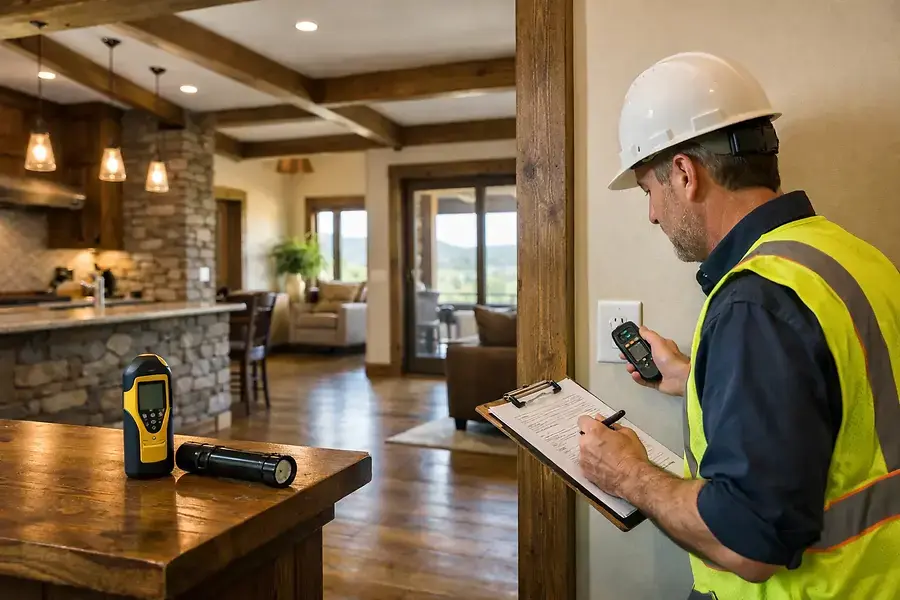
A home inspection is one of the most critical steps in any real estate transaction, whether you're buying or selling property in Knoxville. This comprehensive evaluation provides an objective assessment of a property's condition, identifying potential issues before they become costly problems. For buyers, an inspection report serves as a negotiating tool and a safeguard against unexpected repairs. For sellers, a pre-listing inspection can address concerns proactively and build buyer confidence.
Knoxville's unique climate and geography present specific challenges that inspectors must evaluate. The region experiences humid summers, cold winters, and occasional severe weather, all of which can impact a home's structural integrity and systems. Understanding what inspectors look for helps both parties navigate the transaction with confidence and transparency.
Key Areas Inspectors Evaluate: Structural, Systems, and Seasonal Concerns
Structural Components
Professional inspectors begin by examining the foundation, which is critical in Knoxville where soil composition and moisture levels can vary significantly. They look for:
- Cracks or settling in the foundation
- Water intrusion or dampness in basements and crawl spaces
- Proper grading and drainage around the property
- Structural integrity of walls, floors, and support beams
The roof is another essential component, particularly in Knoxville where weather patterns can be demanding. Inspectors assess shingle condition, flashing integrity, and proper ventilation to ensure the roof will protect the home for years to come.
Home Systems and Utilities
A thorough inspection evaluates all major systems that keep a home functioning:
- Electrical System: Panel condition, wiring safety, outlet functionality, and code compliance
- Plumbing: Water pressure, drainage, pipe materials, and potential leaks
- HVAC: Heating and cooling efficiency, age of equipment, and maintenance history
- Water Heater: Age, capacity, and proper operation
- Insulation and Ventilation: Energy efficiency and moisture control
These systems are vital to daily comfort and can represent significant replacement costs if they fail. Inspectors provide detailed information about the age and condition of each system.
Seasonal and Regional Concerns
Knoxville's climate creates specific inspection priorities. Inspectors pay special attention to:
- Moisture management and humidity control, essential in the humid Tennessee climate
- Proper attic ventilation to prevent mold and wood rot
- Weatherproofing and seal integrity around windows and doors
- Gutters and downspouts that effectively manage heavy rainfall
- Evidence of pest activity, particularly termites common in the region
Interior and Exterior Details: Inspectors also evaluate flooring, walls, ceilings, doors, windows, and exterior siding. They check for signs of water damage, pest infestation, and general wear and tear that might indicate maintenance issues.
How to Prepare for an Inspection and Interpret the Report
Preparation Tips for Sellers
If you're selling, preparing your home for inspection demonstrates care and transparency:
- Ensure all areas are accessible, including attics, basements, and crawl spaces
- Make minor repairs before the inspection to show the home is well-maintained
- Provide documentation of recent repairs, maintenance records, and system warranties
- Clear clutter to allow inspectors full access to all components
- Ensure utilities are on so inspectors can test all systems
Preparation Tips for Buyers
As a buyer, you can maximize the value of your inspection:
- Attend the inspection in person to ask questions and understand issues firsthand
- Take notes on items of concern for later discussion with your agent
- Ask the inspector about maintenance requirements for major systems
- Request clarification on any technical terminology in the report
- Understand the difference between minor maintenance issues and major structural concerns
Understanding the Inspection Report
A professional inspection report typically categorizes findings by severity. Critical issues require immediate attention and may affect your purchase decision. Major concerns need repair soon but may not be deal-breakers. Minor issues are maintenance items that should be addressed over time.
The report includes photographs, detailed descriptions, and recommendations for each finding. Take time to review it thoroughly and discuss findings with your real estate agent. For significant issues, you may want to obtain quotes from contractors to understand repair costs.
Using Inspection Findings to Make Informed Real Estate Decisions
An inspection report is a powerful tool for negotiation and decision-making. Buyers can use findings to:
- Request repairs before closing
- Negotiate a lower purchase price to account for repairs
- Ask for credits toward closing costs
- Make an informed decision about proceeding with the purchase
Sellers benefit by addressing issues proactively, which can prevent deal-killing surprises and demonstrate transparency to potential buyers. A pre-listing inspection allows sellers to price their home competitively and confidently.
A home inspection protects both parties by providing objective, professional assessment of property condition. This transparency builds trust and helps ensure a smooth transaction.
In Knoxville's competitive real estate market, a thorough home inspection is not just a formality—it's an investment in peace of mind. Whether you're buying or selling, understanding the inspection process and what inspectors evaluate empowers you to make confident decisions that protect your financial interests and ensure you're making a sound investment in your Knoxville home.


