La Jolla Home Inspection Essentials: What Every Buyer Should Know
Discover the critical inspection points that protect your investment in La Jolla's competitive real estate market.

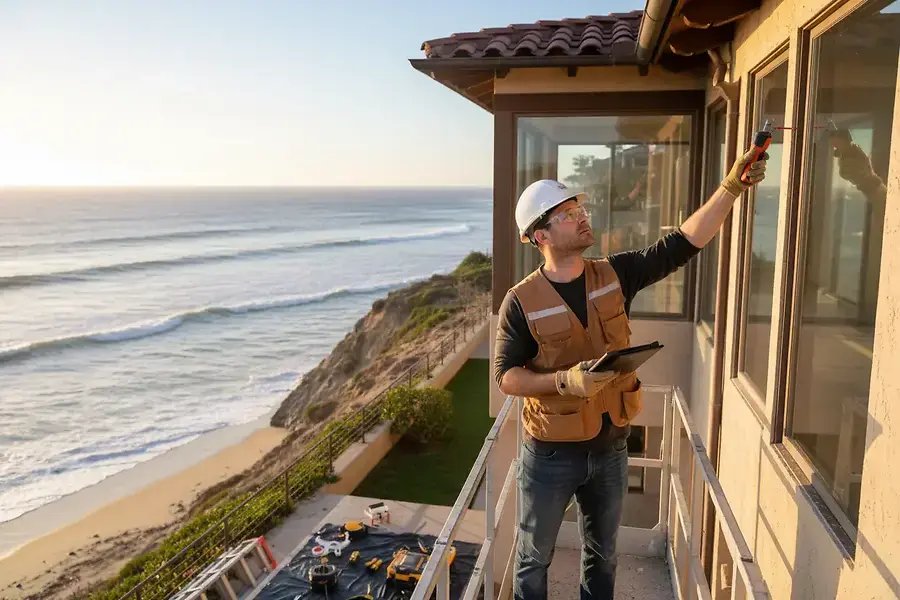
Understanding La Jolla's Unique Inspection Challenges
La Jolla's stunning coastal location and luxury real estate market come with distinctive inspection considerations that differ significantly from inland properties. The combination of salt air, ocean proximity, and the region's geological characteristics creates specific vulnerabilities that savvy buyers must understand.
The marine environment poses unique challenges to home structures. Salt spray corrosion affects metal components, roofing materials, and exterior fixtures at an accelerated rate compared to inland properties. Additionally, the area's proximity to the Pacific Ocean means homes face increased exposure to moisture, which can lead to mold growth, wood rot, and foundation issues if not properly maintained.
La Jolla's terrain is another critical factor. Many properties sit on hillsides or near coastal bluffs, creating potential concerns about soil stability, drainage, and erosion. Inspectors must evaluate whether homes have adequate grading, proper drainage systems, and reinforced foundations to withstand the region's geological pressures.
Key Areas to Prioritize During Your Home Inspection
Roof and Exterior Materials
Given La Jolla's coastal climate, the roof is perhaps the most critical component to inspect thoroughly. Look for:
- Signs of salt corrosion on metal flashing and gutters
- Deterioration of roofing materials, particularly in areas exposed to ocean winds
- Proper installation of weather sealing and caulking
- Evidence of previous repairs or patches that may indicate ongoing issues
The exterior walls, windows, and doors should also receive detailed attention. Inspect all caulking and sealants for gaps or deterioration, as these are your home's first line of defense against salt spray and moisture infiltration.
Foundation and Structural Integrity
La Jolla's unique topography makes foundation inspection essential. Inspectors should examine:
- Cracks in the foundation or concrete slabs
- Evidence of settling or shifting
- Water intrusion or moisture in basements and crawl spaces
- Proper grading around the foundation to direct water away from the structure
Request a geological report if the property is situated on a hillside or near coastal bluffs. This specialized assessment can identify potential soil stability concerns before they become expensive problems.
Plumbing and Water Systems
Salt air and moisture create particular challenges for plumbing systems. Ensure your inspector checks:
- Water pressure and flow rates throughout the home
- Corrosion in pipes and fixtures
- The condition of the water heater and its age
- Proper functioning of drainage systems
- Evidence of leaks or water damage
HVAC and Electrical Systems
Coastal properties require robust climate control systems to manage humidity and salt air. Verify that the HVAC system is appropriately sized for the home and functioning efficiently. Electrical systems should also be inspected for corrosion, particularly in older homes where salt spray may have compromised wiring and connections.
Red Flags and How to Address Them
Mold and Moisture Issues
One of the most serious red flags in La Jolla homes is evidence of mold or excessive moisture. Do not overlook any signs of discoloration, musty odors, or visible mold growth. These issues can be costly to remediate and may indicate deeper structural problems. If mold is detected, request a professional mold assessment before proceeding with your purchase.
Rust and Corrosion
Extensive rust on metal components, particularly structural elements, is a significant concern. While some surface corrosion is normal in coastal areas, deep rust penetration can compromise structural integrity. Have a structural engineer evaluate any areas showing substantial corrosion.
Cracks and Settling
Foundation cracks, particularly those wider than 1/4 inch or showing signs of active movement, warrant professional evaluation. Horizontal cracks are more concerning than vertical ones and may indicate serious structural issues. Don't assume all cracks are cosmetic—get them assessed by a structural engineer.
Outdated Systems
Aging plumbing, electrical, or HVAC systems in a coastal environment may not perform adequately. Budget for upgrades if systems are nearing the end of their lifespan, as the coastal climate accelerates deterioration.
Working with Inspectors and Negotiating Repairs
Choosing the Right Inspector
Select an inspector with specific experience in coastal properties and La Jolla's unique challenges. Ask about their familiarity with salt spray damage, geological concerns, and moisture management in this region. Don't hesitate to request references from other buyers in the area.
Being Present During the Inspection
Attend the inspection in person whenever possible. This allows you to ask questions, understand issues firsthand, and get a feel for the property's condition. A thorough inspection typically takes 2-4 hours for a residential property.
Negotiating Repairs and Credits
Once the inspection report is complete, you have several options for addressing identified issues:
- Request repairs: Ask the seller to fix significant issues before closing
- Request credits: Negotiate a reduction in the purchase price to cover repair costs
- Request inspections: For major concerns, ask for specialized inspections by engineers or contractors
- Walk away: If issues are too extensive or costly, you may choose to terminate the purchase
Be strategic in your negotiations. Focus on significant structural or safety issues rather than minor cosmetic concerns. Sellers are more likely to address major problems than small repairs, and your negotiating position is strongest immediately after the inspection.
Post-Inspection Next Steps
After addressing inspection concerns, consider obtaining specialized reports for any areas of concern, such as geological assessments for hillside properties or mold testing for moisture issues. These additional evaluations provide peace of mind and protect your investment.
Finally, maintain detailed records of all inspection reports, repair estimates, and communications with the seller. These documents will be valuable for future reference and may be important for insurance or warranty purposes.
A thorough home inspection is your opportunity to make an informed decision about one of the largest investments of your life. In La Jolla's competitive market, don't rush this critical step.


