Lake Forest Home Inspections: Essential Steps Before Closing
Protect your investment by understanding what professional home inspectors look for and how to interpret inspection reports.

Introduction: Why Home Inspections Matter for Lake Forest Buyers
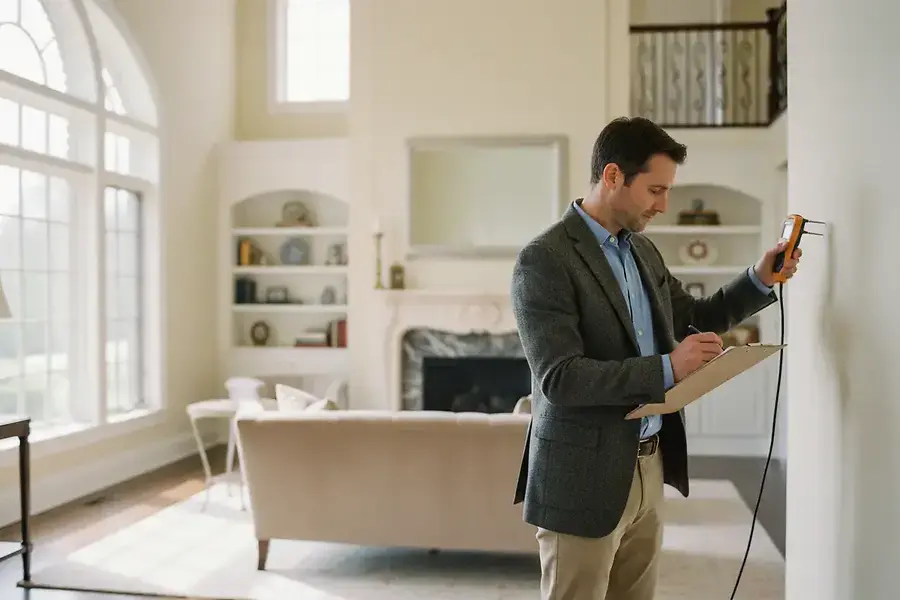
Purchasing a home is one of the most significant financial decisions you'll make. In Lake Forest, where properties range from charming historic estates to modern luxury homes, a professional home inspection is not just a formality—it's your safeguard against costly surprises. A thorough inspection can reveal hidden issues that might not be apparent during a casual walkthrough, potentially saving you thousands of dollars in repairs and giving you peace of mind before you sign on the dotted line.
Many first-time homebuyers underestimate the importance of this crucial step. An inspection report provides an objective assessment of your potential home's condition, allowing you to make informed decisions about your purchase and negotiate repairs or credits with the seller.
What Professional Inspectors Examine in Lake Forest Properties
Structural and Foundation Assessment
Professional inspectors begin by evaluating the home's foundation and structural integrity. They look for signs of settling, cracks in the foundation, water damage, and any structural issues that could compromise the home's stability. In Lake Forest, where many homes are built on varied terrain, foundation assessment is particularly important.
Roofing and Exterior Systems
The roof is your home's first line of defense against the elements. Inspectors examine:
- Roof condition and remaining lifespan
- Flashing and gutters
- Siding and exterior walls
- Windows and doors
- Drainage systems and grading
Plumbing and Water Systems
Water-related issues are among the most expensive to repair. Inspectors test water pressure, check for leaks, examine pipe materials, and assess the water heater's condition. They also evaluate the septic system or municipal water connections, which is essential for Lake Forest properties.
Electrical Systems
A comprehensive electrical inspection includes checking the panel, circuit breakers, outlets, and wiring. Inspectors ensure the system meets current safety codes and can handle modern electrical demands. Outdated or faulty electrical systems pose serious safety risks.
HVAC and Climate Control
Heating, ventilation, and air conditioning systems are tested for proper operation. Inspectors assess the age of equipment, efficiency ratings, and any maintenance needs. In Lake Forest's climate, a well-functioning HVAC system is essential for year-round comfort.
Interior Components
Inspectors examine interior elements including:
- Walls, ceilings, and floors
- Doors and windows
- Insulation and ventilation
- Appliances (if included in the sale)
- Fireplaces and chimneys
Understanding Your Inspection Report and Red Flags to Watch
Decoding the Report Format
Home inspection reports typically categorize findings into three levels: major issues, minor issues, and maintenance recommendations. Major issues require immediate attention and can significantly impact your purchase decision. Minor issues are less urgent but should still be addressed. Maintenance recommendations are suggestions for keeping the home in good condition.
Critical Red Flags
Certain findings should raise serious concerns:
- Foundation problems: Cracks, settling, or water intrusion indicate structural issues that are expensive to repair
- Roof damage: A roof nearing the end of its lifespan will require replacement within a few years
- Mold or water damage: These issues suggest moisture problems that can affect health and structural integrity
- Outdated electrical systems: Knob-and-tube wiring or inadequate panels pose fire hazards
- Plumbing issues: Corroded pipes, leaks, or sewage problems are costly to address
- HVAC failure: Aging systems may need replacement soon
Questions to Ask Your Inspector
Don't hesitate to contact your inspector for clarification. Ask about the severity of issues, estimated repair costs, and whether problems are safety concerns or cosmetic. Understanding the context of each finding helps you prioritize your concerns and plan your budget accordingly.
Getting a Second Opinion
For major issues, consider hiring a specialist. If the inspection reveals significant electrical, plumbing, or structural concerns, a specialized contractor can provide a detailed assessment and repair estimate. This information strengthens your negotiating position with the seller.
Conclusion: Using Inspection Results to Negotiate and Protect Your Purchase
Your inspection report is a powerful negotiating tool. Armed with detailed findings, you have several options:
- Request repairs: Ask the seller to fix major issues before closing
- Negotiate credits: Request a credit toward closing costs to cover repairs yourself
- Renegotiate price: Use inspection findings to justify a lower purchase price
- Walk away: If issues are too severe or costly, you may decide the property isn't right for you
In Lake Forest's competitive real estate market, a professional home inspection provides the clarity and confidence you need to make the right decision. By understanding what inspectors look for and how to interpret their findings, you're taking an active role in protecting your investment. Don't view the inspection as a hurdle to overcome—see it as an opportunity to understand your future home completely and negotiate from a position of knowledge.
Before closing on your Lake Forest home, ensure you've had a thorough professional inspection and fully understand the report. Your future self will thank you for the diligence and care you invest in this critical step.


