Lancaster Home Inspection Reports: A Buyer's Complete Guide
What every homebuyer needs to know to make informed decisions about property condition and potential repairs.

Why Home Inspections Matter in Lancaster
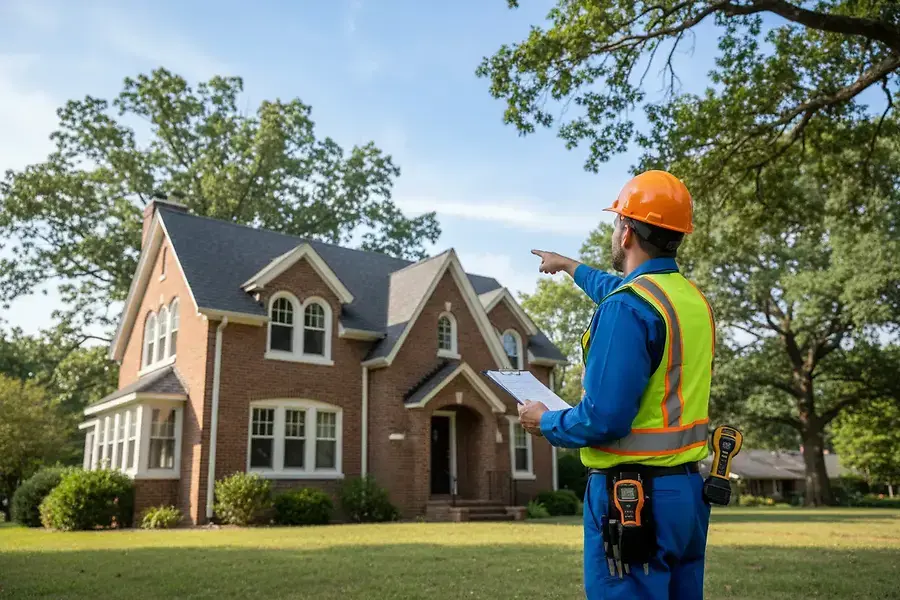
Purchasing a home is one of the largest financial decisions you'll make in your lifetime. In Lancaster, where properties range from historic Victorian homes to modern suburban developments, a professional home inspection is your safeguard against costly surprises. A thorough inspection provides an objective assessment of your potential property's condition, helping you understand what you're truly buying.
Home inspections serve multiple critical purposes. They reveal hidden defects that aren't visible during casual walkthroughs, provide documentation for insurance purposes, and give you leverage in negotiations. Without an inspection, you could inherit serious problems—from foundation issues to outdated electrical systems—that could cost tens of thousands of dollars to repair.
Decoding Your Inspection Report: Key Areas and Red Flags
Structural Components
The foundation and structural integrity are paramount. Inspectors examine the foundation for cracks, settling, and water damage. Look for terms like "active cracks" or "differential settling" in your report—these warrant further investigation by a structural engineer. The roof's condition, including shingles, flashing, and gutters, directly impacts your home's protection from the elements.
Systems and Utilities
Your inspection report details three critical systems:
- Electrical System: Outdated wiring, insufficient outlets, and improper grounding are common concerns in older Lancaster homes. Federal standards have evolved significantly, and your inspector will note any code violations.
- Plumbing System: Water pressure, drainage, and pipe material are evaluated. Galvanized pipes, common in homes built before the 1980s, are prone to corrosion and should be flagged.
- HVAC System: The heating and cooling systems' age and functionality are crucial for comfort and efficiency. An aging furnace or air conditioning unit may need replacement within a few years.
Interior and Exterior Elements
Inspectors assess walls, ceilings, floors, windows, doors, and exterior siding for damage, moisture intrusion, and proper installation. Water damage and mold are serious red flags that require immediate attention. Pay special attention to any notes about basement moisture or crawl space conditions.
Understanding the Report Format
Most inspection reports categorize findings as "Satisfactory," "Minor Repair," "Major Repair," or "Safety Concern." Safety concerns demand immediate action, while major repairs should influence your offer price. Don't ignore minor repairs—they can accumulate into significant expenses.
Common Issues Found in Lancaster Homes and Repair Costs
Age-Related Problems
Lancaster's diverse housing stock includes many older properties. Common age-related issues include:
- Roof Replacement: $8,000-$15,000 depending on size and materials
- Foundation Repairs: $3,000-$25,000+ for significant issues
- Electrical System Updates: $5,000-$15,000 for complete rewiring
- Plumbing Replacement: $8,000-$20,000 for whole-house repiping
Climate-Related Concerns
Lancaster's weather patterns create specific challenges. Freeze-thaw cycles can damage foundations and cause water infiltration. Inspectors commonly find:
- Ice dam damage to roofs and gutters
- Basement moisture and efflorescence (white mineral deposits)
- Compromised weatherstripping and caulking
Pest and Moisture Issues
Termite damage and wood rot are serious concerns in the region. A thorough inspection should include pest assessment. Moisture problems, whether from poor drainage or plumbing leaks, can lead to mold growth and structural damage. Remediation costs vary widely: $500 for minor mold removal to $10,000+ for extensive remediation.
HVAC and Appliance Age
Furnaces typically last 15-20 years, and air conditioning units 10-15 years. If your inspection reveals aging systems, budget $5,000-$8,000 for replacement. Water heaters last 8-12 years and cost $1,500-$3,000 to replace.
Using Inspection Results to Negotiate and Plan
Negotiation Strategies
Your inspection report is a powerful negotiation tool. Don't panic over minor issues—use them strategically. For significant findings, you have several options:
- Request Repairs: Ask the seller to fix major issues before closing
- Request Credits: Negotiate a price reduction to cover repair costs yourself
- Request Inspections: For complex issues, ask for specialized inspections (structural engineer, pest inspector, etc.)
- Walk Away: If repairs are extensive and costly, you may choose to withdraw your offer
Be reasonable in your requests. Sellers are unlikely to accept demands for cosmetic repairs, but legitimate safety and structural concerns are fair game.
Planning Your Repairs
Create a prioritized repair plan based on your inspection report. Address safety issues immediately, then tackle items that prevent further damage (roof leaks, water intrusion). Cosmetic improvements can wait. Consider getting multiple quotes for major repairs—prices vary significantly among contractors.
Long-Term Maintenance
Your inspection report serves as a baseline for future maintenance. Note the age of major systems and plan for replacements accordingly. Regular maintenance—cleaning gutters, servicing HVAC systems, and inspecting foundations—prevents small problems from becoming expensive disasters.
Pro Tip: Keep your inspection report and all repair receipts in a dedicated file. This documentation increases your home's resale value and helps future buyers understand your property's history.
Conclusion: Making Informed Decisions
A home inspection report isn't meant to scare you—it's meant to inform you. Every home has issues; the inspection simply identifies them so you can make educated decisions. In Lancaster's competitive real estate market, understanding your inspection report gives you confidence and leverage.
Take time to review the report thoroughly, ask your inspector questions, and don't hesitate to seek specialist opinions for complex issues. Use the findings to negotiate fairly, plan your repairs strategically, and budget for maintenance. With this knowledge, you'll move forward in your home purchase with clarity and confidence, knowing exactly what you're buying and what to expect.