Lancaster Property Taxes: A Complete Guide for Ohio Homeowners
Master the essentials of residential property tax assessment, deductions, and appeal strategies in Lancaster.

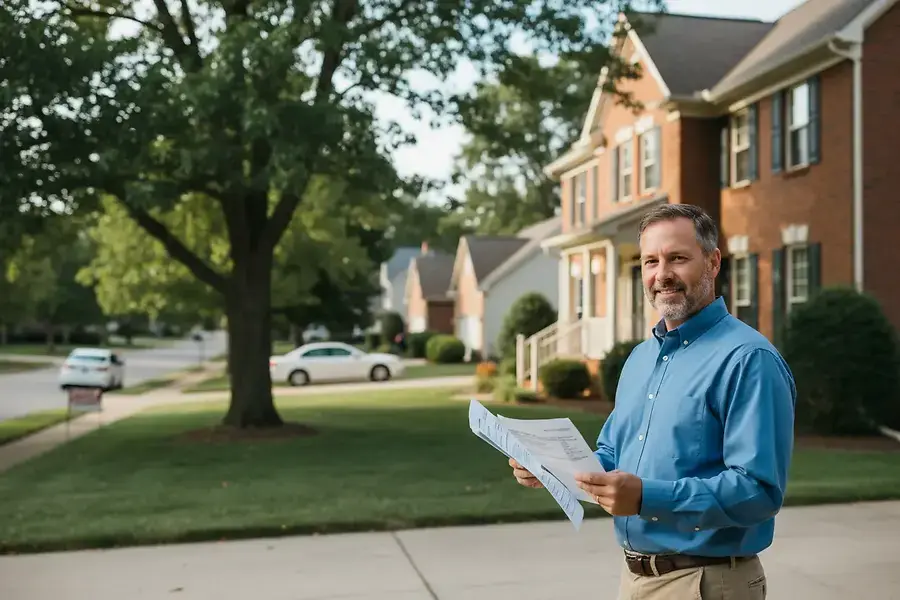
Why Property Taxes Matter for Lancaster Homeowners
Property taxes are one of the largest expenses homeowners face, yet many Lancaster residents don't fully understand how they're calculated or what options exist to reduce them. Whether you're a first-time homebuyer or a long-time resident, understanding your property tax obligations is essential for managing your household budget effectively.
In Lancaster, Ohio, property taxes fund critical services including schools, emergency services, infrastructure maintenance, and local government operations. While these services are vital to our community, it's equally important to ensure you're not paying more than necessary. By learning how the system works and exploring available strategies, you can take control of your property tax future.
How Lancaster's Property Tax System Works and What Affects Your Assessment
Understanding the Assessment Process
Lancaster's property tax system begins with the county auditor's office, which conducts property assessments to determine the value of your home. This assessed value is then multiplied by the applicable tax rate to calculate your annual property tax bill. The assessment process considers several factors:
- Property characteristics: Square footage, age, condition, and structural features
- Location: Neighborhood desirability and proximity to amenities
- Recent sales: Comparable property sales in your area
- Market conditions: Current real estate trends in Lancaster
Key Factors Affecting Your Tax Assessment
Several elements directly influence how much you'll pay in property taxes. Understanding these factors can help you identify opportunities to reduce your burden:
Home improvements: Major renovations and additions typically increase your assessed value. While improvements enhance your home's worth, they may trigger a reassessment that raises your taxes. Consider the long-term tax implications before undertaking significant projects.
Market fluctuations: When property values in your neighborhood increase, your assessment may rise accordingly. Conversely, declining market conditions can lead to lower assessments and reduced tax bills.
Property maintenance: Well-maintained homes generally receive higher assessments than properties in poor condition. However, this doesn't mean you should neglect upkeep—proper maintenance protects your investment.
Tax Rates and Millage
Lancaster property taxes are expressed in mills, where one mill equals $1 in taxes per $1,000 of assessed value. Your total tax bill depends on the combined millage rates from various taxing districts serving your property, including schools, county services, and local municipalities.
Strategies for Reducing Your Property Tax Burden
Homestead Exemptions and Tax Credits
Ohio offers several programs designed to help homeowners reduce their property tax obligations. The most significant is the homestead property tax exemption, which provides relief for eligible homeowners. Additionally, senior citizens and disabled homeowners may qualify for enhanced exemptions.
To determine your eligibility, contact the Lancaster County Auditor's office or visit their website. Applying for these programs is straightforward and can result in substantial annual savings.
Challenging Your Assessment
If you believe your property has been overassessed, you have the right to appeal. The appeal process typically involves three steps:
- Informal review: Request a meeting with the county auditor to discuss your assessment
- Formal appeal: File a complaint with the Board of Revision if you disagree with the auditor's decision
- Tax court: Pursue litigation if necessary (though this is rarely required)
Successful appeals often rely on comparable sales data showing that your property is assessed higher than similar homes in your area. Gathering this information before your appeal strengthens your case significantly.
Documentation and Evidence
When appealing your assessment, compile evidence supporting your position. This might include:
- Recent appraisals from qualified professionals
- Comparable sales of similar properties in your neighborhood
- Documentation of property defects or needed repairs
- Photos showing your home's condition
- Records of recent renovations or improvements
Tip: The appeal deadline typically falls in a specific window each year. Missing this deadline means waiting until the next assessment cycle. Mark your calendar and submit your appeal promptly.
Long-Term Tax Planning
Beyond immediate strategies, consider long-term approaches to managing your property tax burden. Staying informed about proposed tax levies, attending community meetings, and understanding how local spending decisions affect your taxes empowers you to participate in the democratic process.
Additionally, when planning major home improvements, consult with a tax professional about potential assessment impacts. Sometimes strategic timing or project sequencing can minimize tax consequences.
Professional Assistance
For complex situations or significant tax burdens, consulting with a property tax professional or attorney may be worthwhile. These experts understand Lancaster's specific assessment practices and can identify opportunities you might otherwise miss. The cost of professional guidance often pays for itself through reduced taxes.
Taking Control of Your Property Tax Future
Property taxes don't have to be a mystery or an uncontrollable expense. By understanding how Lancaster's assessment system works and actively exploring reduction strategies, you can significantly impact your household finances.
Start today by:
- Reviewing your current assessment and comparing it to similar properties
- Researching exemptions and credits you may qualify for
- Gathering documentation if you plan to appeal your assessment
- Staying informed about local tax issues and community decisions
Remember, you're not alone in this process. The Lancaster County Auditor's office, local tax professionals, and community resources are available to help you navigate the system. Taking an active role in understanding and managing your property taxes is one of the smartest investments you can make as a homeowner.
Your property is likely your most valuable asset. Ensuring you're paying a fair share of taxes—no more, no less—is an essential part of responsible homeownership in Lancaster.


