Las Vegas Home Inspection: A Buyer's Essential Guide to Property Assessment
Protect your investment by understanding the critical inspection process and common issues in Las Vegas properties.

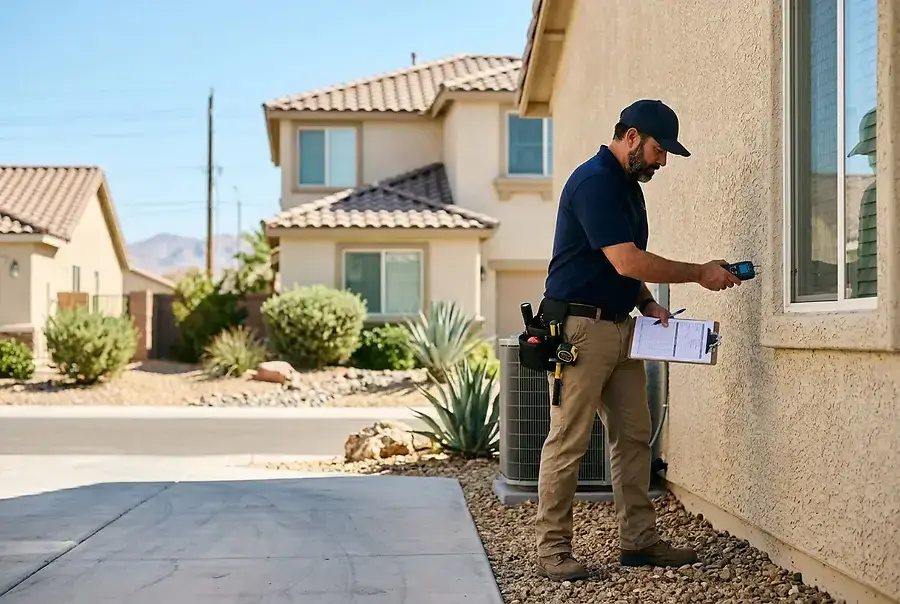
Why Home Inspections Matter in Las Vegas's Competitive Market
Purchasing a home in Las Vegas is an exciting milestone, but it's also one of the most significant financial decisions you'll make. In a competitive market where properties move quickly, it's easy to get caught up in the excitement and overlook critical details. This is where a professional home inspection becomes invaluable.
A comprehensive home inspection provides an objective assessment of your potential property's condition, revealing issues that may not be visible during a casual walkthrough. In Las Vegas, where extreme heat, low humidity, and desert conditions create unique challenges, understanding what inspectors look for can mean the difference between a smart investment and costly surprises down the road.
Why should you invest in a home inspection? Beyond peace of mind, inspections give you leverage in negotiations. Armed with a detailed report, you can request repairs, ask for credits, or renegotiate the purchase price based on findings.
Common Inspection Findings in Las Vegas Homes and What They Mean
HVAC System Issues
Las Vegas's scorching summers mean your air conditioning system works overtime. Inspectors frequently find:
- Aging or undersized AC units that struggle to cool efficiently
- Refrigerant leaks reducing cooling capacity
- Dirty or clogged filters compromising airflow
- Worn compressors nearing the end of their lifespan
What this means: An AC replacement can cost $5,000-$10,000 or more. If the system is over 10-15 years old, budget for replacement rather than repairs.
Roof and Sun Damage
The intense desert sun takes a toll on roofing materials. Common findings include:
- Cracked, curled, or missing shingles
- Deteriorated flashing around vents and chimneys
- Premature aging of asphalt shingles
- Inadequate ventilation leading to heat buildup
Important note: A roof replacement typically costs $8,000-$15,000. Knowing the roof's age and condition helps you plan for this major expense.
Plumbing Problems
Las Vegas's hard water and mineral deposits create specific plumbing challenges:
- Mineral buildup in pipes reducing water pressure
- Corroded copper pipes requiring replacement
- Water heater sediment accumulation and inefficiency
- Outdated galvanized pipes prone to leaks
Foundation and Structural Concerns
The desert soil composition and temperature fluctuations can affect foundations. Inspectors look for:
- Cracks in concrete slabs or foundation walls
- Uneven settling or sloping floors
- Water intrusion in basements or crawl spaces
- Gaps between walls and door frames indicating movement
Red Flags to Watch For: HVAC, Plumbing, and Desert-Related Wear
Critical HVAC Red Flags
An air conditioning system is not a luxury in Las Vegas—it's a necessity. Pay special attention to its condition.
If your inspection reveals that the AC system hasn't been serviced regularly, has visible rust or corrosion, or makes unusual noises, these are serious concerns. Request a separate HVAC inspection from a licensed technician to get an accurate assessment of remaining lifespan and repair costs.
Plumbing Red Flags
Watch for:
- Low water pressure throughout the home, suggesting mineral buildup or pipe deterioration
- Discolored water indicating rust or contamination
- Slow drains in multiple fixtures pointing to systemic issues
- Evidence of previous leaks such as water stains or mold
If the home has galvanized pipes installed before the 1980s, budget for eventual replacement. Modern copper or PEX piping is more reliable in Las Vegas's climate.
Desert-Specific Wear and Tear
Las Vegas properties face unique challenges:
- Exterior paint and caulking: UV damage and heat cause premature deterioration. Look for peeling paint, cracked caulk, and faded finishes.
- Landscaping and hardscape: Concrete driveways and patios crack from thermal expansion. Check for significant damage or uneven surfaces.
- Windows and doors: Thermal stress can warp frames and seals. Inspect for air leaks and difficulty opening or closing.
- Attic ventilation: Inadequate ventilation traps heat, damaging insulation and shortening roof life.
Moisture and Mold Concerns
While Las Vegas is dry, moisture problems can still occur around air conditioning units, water heaters, and in bathrooms. Inspectors look for:
- Mold or mildew in bathrooms and kitchens
- Water damage around AC condensation lines
- Efflorescence (white mineral deposits) on basement walls indicating moisture intrusion
Using Inspection Results to Negotiate and Secure Your Best Deal
Understanding Your Inspection Report
A thorough inspection report categorizes findings by severity. Major issues require immediate attention, while minor issues are cosmetic or low-priority. Understanding this distinction helps you prioritize negotiations.
Negotiation Strategies
Once you have your inspection report, you have several options:
- Request repairs: Ask the seller to fix major issues before closing.
- Ask for credits: Request a credit toward closing costs to handle repairs yourself.
- Renegotiate price: Use inspection findings to justify a lower offer.
- Walk away: If issues are too extensive, you may decide the property isn't worth the investment.
In Las Vegas's competitive market, being prepared with inspection data gives you confidence and leverage. Sellers are more likely to negotiate when faced with a professional report documenting specific issues.
Planning for Future Maintenance
Even if you negotiate repairs or credits, use the inspection report to plan your maintenance budget. Understanding the age and condition of major systems helps you prepare for future expenses and avoid unexpected costs.
Pro tip: Keep your inspection report and all repair receipts for future reference. They're valuable when you eventually sell the property.
Conclusion: Making Your Las Vegas Home Purchase Secure
A professional home inspection is your best defense against costly surprises in the Las Vegas real estate market. By understanding common issues, recognizing red flags, and using inspection results strategically, you protect your investment and negotiate from a position of strength.
Don't let the excitement of finding your dream home cloud your judgment. Invest in a thorough inspection, ask questions, and make informed decisions. Your future self will thank you for the diligence you show today.
Remember: A home inspection isn't an expense—it's an investment in your peace of mind and financial security.