Las Vegas Home Inspection Essentials: A Complete Buyer's Guide
Protect your investment by understanding the critical inspection checklist every Las Vegas homebuyer should review before closing.

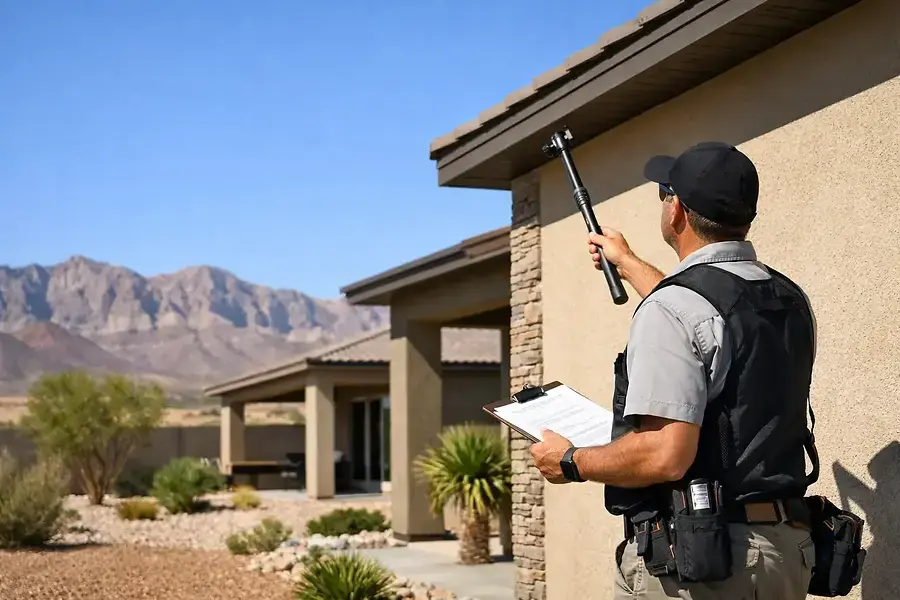
Why Home Inspections Matter in the Las Vegas Market
Buying a home is one of the most significant financial decisions you'll make, and in the Las Vegas market, a thorough home inspection is your best defense against costly surprises. The desert climate and unique construction practices in Nevada create specific challenges that differ from other regions. A professional home inspection provides an objective assessment of your potential property's condition, identifying issues before you commit to the purchase.
Many first-time homebuyers underestimate the importance of inspections, viewing them as an unnecessary expense. However, a comprehensive inspection typically costs between $300 and $500 and can reveal problems worth tens of thousands of dollars. In Las Vegas, where extreme heat and dry conditions accelerate wear on certain systems, this investment is invaluable.
Key Areas to Inspect in Las Vegas Properties: Climate and Construction Considerations
Cooling and HVAC Systems
Your air conditioning system is the most critical component in a Las Vegas home. The intense desert heat means your AC unit works overtime, making it prone to premature failure. During inspection, ensure the system is properly sized for the home, regularly maintained, and functioning efficiently. Ask your inspector to check refrigerant levels, compressor condition, and ductwork integrity.
Roof and Exterior Protection
The relentless sun in Las Vegas causes rapid deterioration of roofing materials. Inspectors should examine:
- Shingle condition and color fading
- Flashing around vents and chimneys
- Signs of water damage or leaks
- Gutter functionality and debris accumulation
A roof that appears fine from the ground may have significant damage visible only from above. Ensure your inspector performs a thorough examination of all roof surfaces.
Windows and Doors
Desert sun degrades window seals and frames faster than in other climates. Check for:
- Broken or cracked glass
- Failed thermal seals (visible condensation between panes)
- Proper operation of all windows and doors
- Weather stripping condition
Replacing windows is expensive, so this inspection point deserves careful attention.
Foundation and Structural Integrity
Las Vegas's expansive clay soil and extreme temperature fluctuations can cause foundation issues. Your inspector should look for:
- Cracks in the foundation or walls
- Uneven floors or sloping
- Gaps between walls and trim
- Signs of settling or shifting
Foundation problems are serious and expensive to repair, making this inspection area critical.
Plumbing and Water Systems
Las Vegas's hard water and mineral-rich water supply create unique plumbing challenges. Inspectors should evaluate:
- Water pressure and flow rates
- Pipe material and condition (older homes may have corroded pipes)
- Water heater age and functionality
- Signs of leaks or water damage
Hard water buildup can reduce system efficiency and lifespan, so understanding your home's water quality is important.
Electrical Systems
Ensure the electrical panel is properly sized for modern appliances and that all outlets function correctly. Check for:
- Adequate circuit breakers
- Proper grounding
- Updated wiring (older homes may have outdated systems)
- GFCI outlets in bathrooms and kitchens
Red Flags and Deal-Breakers: What Inspectors Commonly Find in the Desert
Pest and Termite Damage
The warm desert climate is ideal for pests, particularly termites and scorpions. Always request a separate pest inspection in addition to your general home inspection. Look for evidence of termite damage, especially in wooden structures and foundations.
Inadequate Insulation
Many older Las Vegas homes lack sufficient insulation, leading to sky-high cooling costs. Your inspector should verify attic insulation levels meet current standards. Poor insulation is a major red flag that could cost you thousands in energy bills annually.
Pool and Spa Issues
If the property includes a pool or spa, have these thoroughly inspected. Common problems include:
- Cracked or deteriorating concrete
- Faulty pump and filtration systems
- Plumbing leaks
- Electrical hazards
Pool repairs are notoriously expensive, so this inspection is essential.
Mold and Water Intrusion
While Las Vegas is dry, water intrusion from AC condensation, plumbing leaks, or roof damage can cause mold growth. Any signs of mold should be taken seriously, as remediation can be costly and health impacts are significant.
Outdated or Unsafe Systems
Knob-and-tube wiring, asbestos insulation, and old gas lines are serious concerns that require professional remediation. These are deal-breakers for many buyers and can affect insurance eligibility.
Taking Action After Your Inspection Report
Once you receive your inspection report, don't panic if issues are found—most homes have some problems. Instead, prioritize findings by severity and cost. Critical issues affecting safety or structural integrity should be addressed before closing. Minor issues can often be negotiated with the seller or handled after purchase.
Use your inspection report as a negotiation tool. Request the seller make repairs, offer credits toward closing costs, or adjust the purchase price accordingly. Your inspector's detailed report provides documentation to support these negotiations.
Finally, maintain a copy of your inspection report for future reference. It serves as a baseline for your home's condition and helps you plan maintenance and repairs over time.
A thorough home inspection is not an expense—it's an investment in peace of mind and financial protection.
By understanding what to look for and taking inspection findings seriously, you'll make an informed decision about your Las Vegas home purchase and protect your investment for years to come.


