Las Vegas Home Inspection Essentials: What Buyers Need to Know
Protect your investment by understanding the critical inspection process that reveals hidden issues before you close on your Las Vegas property.

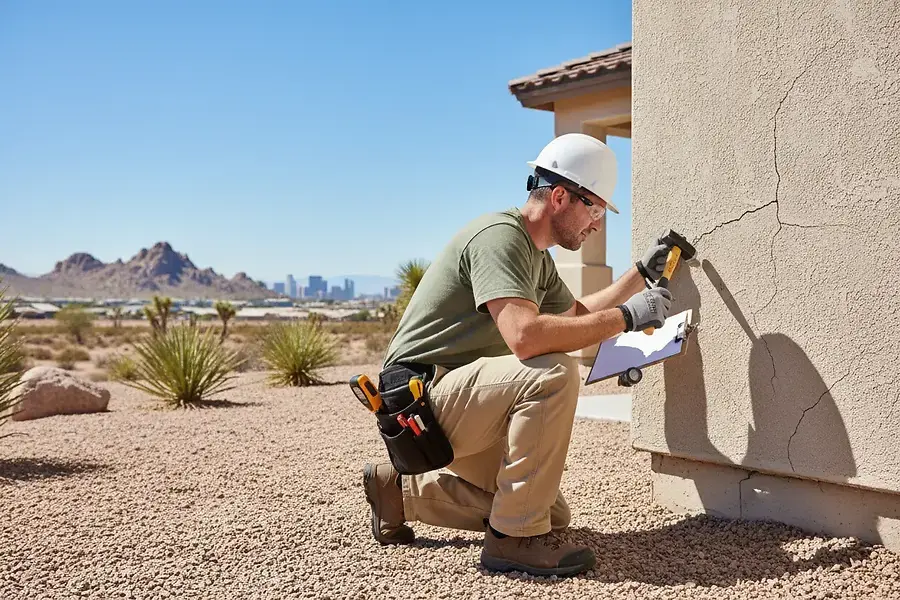
Why Home Inspections Matter in Las Vegas
Purchasing a home is one of the most significant investments you'll make in your lifetime. In Las Vegas, where extreme heat, dust storms, and unique construction challenges are common, a thorough home inspection becomes even more critical. A professional home inspection serves as your safeguard, revealing hidden defects and potential issues that could cost thousands of dollars to repair after closing.
Many first-time homebuyers underestimate the importance of inspections, viewing them as an unnecessary expense. However, inspections typically cost between $300 and $500 and can save you from purchasing a property with serious structural, electrical, or plumbing problems. In the Las Vegas market, where properties face unique environmental stressors, skipping this step is a risky decision.
An inspection protects your financial interests and gives you peace of mind before making one of life's biggest decisions. It also provides valuable documentation of the property's condition, which can be essential for future resale or insurance purposes.
Common Issues Found in Las Vegas Homes: From Desert Heat Damage to Foundation Concerns
Desert Heat and Sun Damage
Las Vegas's intense desert heat takes a toll on homes in ways that buyers from other regions might not anticipate. The relentless sun can cause:
- Roof deterioration and premature aging of roofing materials
- Fading and cracking of exterior paint and stucco
- Warping of wooden doors, frames, and trim
- Failure of HVAC systems due to constant strain
Inspectors will carefully examine your roof's condition, checking for missing shingles, leaks, and overall structural integrity. They'll also assess your air conditioning system, which is absolutely essential in Las Vegas where summer temperatures regularly exceed 110 degrees Fahrenheit.
Foundation and Soil Issues
The desert soil in Las Vegas is notoriously problematic for home foundations. Expansive clay soils can shift with moisture changes, causing:
- Cracks in foundations and concrete slabs
- Uneven settling and sloping floors
- Damage to walls, doors, and windows
- Plumbing issues from foundation movement
Foundation problems are among the most expensive issues to repair, sometimes costing $10,000 or more. Your inspector will look for signs of foundation stress, including cracks, gaps between walls and ceilings, and doors that don't close properly.
Water Damage and Moisture Issues
Despite the dry climate, water damage is surprisingly common in Las Vegas homes. Flash floods, monsoon storms, and poor drainage can lead to:
- Water intrusion in basements and crawl spaces
- Mold and mildew growth
- Damaged insulation and structural wood
- Corroded metal components
Inspectors will check for evidence of past or present water damage, including staining, odors, and soft spots in wood.
Electrical and Plumbing Systems
Older Las Vegas homes may have outdated electrical systems that don't meet current safety codes. Inspectors will verify that:
- Electrical panels are properly grounded and functioning safely
- Outlets and switches are properly installed
- Plumbing systems are free from leaks and corrosion
- Water heaters are in good working condition
What to Expect During Your Home Inspection and How to Prepare
The Inspection Timeline
A typical home inspection takes 2 to 4 hours, depending on the property's size and age. The inspector will systematically examine every major system and component of the home, both inside and outside.
How to Prepare for the Inspection
Before the inspector arrives, take these steps to ensure a thorough evaluation:
- Ensure access to all areas: Unlock doors, gates, and any locked cabinets that contain electrical panels or plumbing access points
- Clear the property: Remove personal items and clutter that might obstruct the inspector's view
- Provide documentation: Gather any available records of repairs, maintenance, and upgrades
- Be present during the inspection: This allows you to ask questions and learn about the property's systems
- Take notes: Write down any concerns the inspector mentions for follow-up questions
What the Inspector Will Examine
Professional inspectors follow a comprehensive checklist that includes:
- Roof condition and flashing
- Exterior walls, siding, and foundation
- Windows and doors
- Interior walls, ceilings, and floors
- Electrical systems and safety devices
- Plumbing and water systems
- HVAC systems
- Appliances (if included in the sale)
- Attic, basement, and crawl spaces
- Grading and drainage around the property
Understanding the Inspection Report
After the inspection, you'll receive a detailed report categorizing findings as:
- Safety Issues: Problems that pose immediate danger
- Major Repairs: Significant issues requiring professional attention
- Minor Repairs: Small issues that don't affect safety or functionality
- Maintenance Items: Routine upkeep recommendations
Using Inspection Results to Negotiate and Secure Your Best Deal
The inspection report is a powerful negotiating tool. Armed with detailed findings, you have several options:
- Request repairs: Ask the seller to fix major issues before closing
- Negotiate credits: Request a price reduction to cover repair costs yourself
- Request re-inspection: Have the inspector verify that repairs were completed properly
- Walk away: If issues are too severe, you can terminate the purchase agreement
In Las Vegas's competitive real estate market, inspection results give you leverage. Sellers often prefer to negotiate rather than lose a sale, especially if you've already made an offer.
Don't let emotions override due diligence. A thorough inspection protects your investment and ensures you're making an informed decision about one of life's biggest purchases.
Conclusion: Making Your Las Vegas Home Purchase Secure
A professional home inspection is not an optional luxury—it's an essential step in the home-buying process, particularly in Las Vegas where unique environmental and structural challenges exist. By understanding what inspectors look for, preparing properly, and using the results strategically, you'll protect your investment and negotiate the best possible deal.
Take the inspection process seriously, ask questions, and don't hesitate to request follow-up evaluations from specialists if major issues are discovered. Your future self will thank you for the diligence you invest today.


