Las Vegas Home Inspections: Essential Buyer Checkpoints and Tips
Protect your investment by understanding critical inspection checkpoints before closing on your Las Vegas property.

Why Home Inspections Matter in the Las Vegas Market
Purchasing a home in Las Vegas is one of the most significant investments you'll make, and a professional home inspection is your first line of defense against costly surprises. The Las Vegas real estate market presents unique challenges due to the desert climate, intense heat, and rapid property development. A thorough inspection protects your investment by identifying potential issues before you sign the final papers.
Home inspections are not just about finding problems—they're about understanding the true condition of your property. In Las Vegas, where properties can experience accelerated wear from extreme temperatures and low humidity, inspections become even more critical. Whether you're buying a newly constructed home or an older property, a qualified inspector will provide you with detailed information to make informed decisions.
Common Issues Found in Las Vegas Residential Properties
Air Conditioning and HVAC Systems
The desert heat makes air conditioning systems work overtime in Las Vegas homes. Inspectors frequently find aging AC units, refrigerant leaks, and inadequate cooling capacity. Since replacement costs can exceed $5,000, this is a critical area to evaluate. Ask your inspector to check the age of the system, its efficiency rating, and whether it adequately cools the entire home.
Roof and Sun Damage
The intense Las Vegas sun accelerates roof deterioration. Common findings include cracked or missing shingles, premature aging, and poor ventilation. Inspectors will assess the roof's remaining lifespan and identify any areas prone to leaking. This is especially important since roof repairs and replacements are expensive undertakings.
Foundation and Concrete Issues
The desert's extreme temperature fluctuations cause concrete to expand and contract, leading to foundation cracks, driveway damage, and pool deck deterioration. While minor cracks are common, significant structural issues require professional evaluation. Your inspector will determine whether cracks are cosmetic or indicate serious structural problems.
Plumbing and Water Pressure
Las Vegas's hard water and mineral deposits can cause pipe corrosion, low water pressure, and water heater problems. Inspectors test water pressure, check for leaks, and evaluate the water heater's condition. Understanding these systems helps you budget for potential repairs or replacements.
Electrical Systems
Older Las Vegas homes may have outdated electrical systems that don't meet current safety standards. Inspectors look for insufficient outlets, outdated wiring, and overloaded circuits. Upgrading electrical systems can be costly, so identifying these issues early is essential.
Pool and Spa Equipment
Many Las Vegas homes feature pools and spas. Inspectors evaluate pump functionality, filter conditions, deck safety, and chemical balance systems. Pool equipment repairs and maintenance can be expensive, making this an important inspection component for properties with water features.
What to Expect During the Inspection Process and Timeline
Before the Inspection
Schedule your inspection within the timeframe specified in your purchase agreement, typically within 7-10 days of making an offer. Provide the inspector with access to all areas of the property, including the attic, basement, crawl spaces, and exterior. Ensure utilities are on so the inspector can test all systems.
During the Inspection
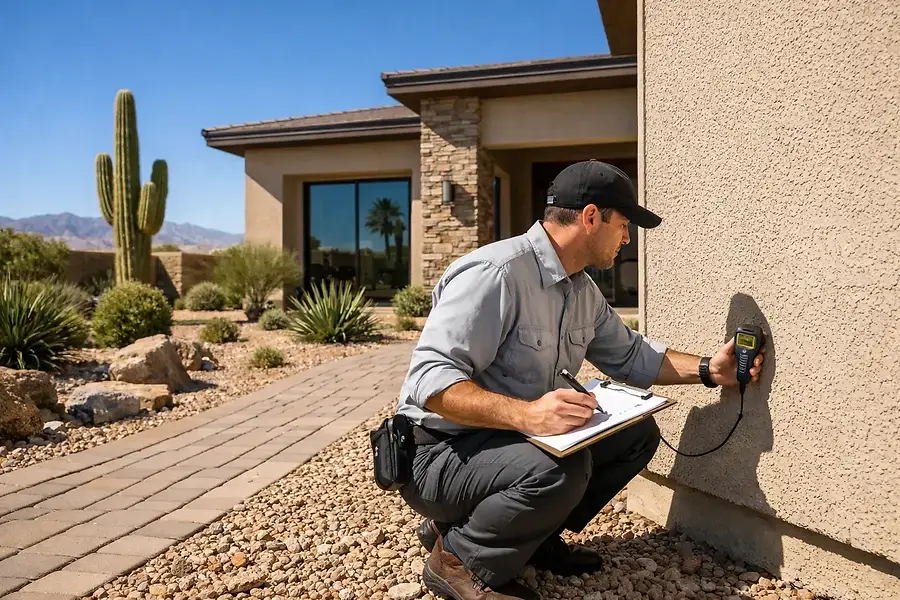
A typical home inspection takes 2-4 hours depending on the property's size and age. The inspector will systematically evaluate:
- Structural components and foundation
- Roofing and exterior surfaces
- HVAC and ventilation systems
- Plumbing and water systems
- Electrical systems and safety
- Interior walls, ceilings, and floors
- Appliances and fixtures
- Insulation and moisture issues
You're encouraged to walk through the inspection with the inspector. This gives you the opportunity to ask questions and understand the property's condition firsthand. Take notes and ask about maintenance requirements for major systems.
After the Inspection
The inspector will provide a detailed written report within 24-48 hours. This report categorizes findings by severity—from critical safety issues to minor maintenance items. Review this report carefully and discuss any concerns with your real estate agent. This information becomes the foundation for your negotiation strategy.
Using Inspection Results to Negotiate and Secure Your Best Deal
A home inspection report is a powerful negotiation tool. Once you receive the report, you have several options:
Request Repairs
Ask the seller to repair critical issues before closing. This is most effective for major problems like roof damage, HVAC failures, or structural concerns. Sellers often prefer this option to avoid price reductions.
Request Credits
Request a credit toward closing costs to address repairs yourself after purchase. This gives you control over the repair quality and contractor selection. It's particularly useful for cosmetic or minor issues.
Renegotiate the Price
Use inspection findings to justify a lower purchase price. This approach works well when multiple issues exist or when repair costs are substantial. Get repair estimates from contractors to support your negotiation position.
Walk Away
If inspection results reveal serious, expensive problems that weren't disclosed, you may have grounds to terminate the purchase agreement. This is why inspections include contingency periods—to protect your interests.
Pro Tip: Don't skip the inspection to save money. The $300-500 inspection fee is minimal compared to the potential cost of undiscovered problems. A thorough inspection provides peace of mind and negotiating power.
Conclusion
A professional home inspection is an essential step in the Las Vegas home buying process. By understanding what inspectors look for, recognizing common desert-related issues, and knowing how to use inspection results effectively, you'll be better equipped to protect your investment. Don't view inspections as obstacles—view them as opportunities to make informed decisions and negotiate favorable terms.
Work with a qualified home inspector who understands Las Vegas's unique climate and construction challenges. Use the inspection report as your roadmap to a successful purchase, and remember that knowledge is your greatest asset in real estate transactions. With proper due diligence, you'll close on your Las Vegas home with confidence and security.


