Las Vegas Home Inspections: Essential Buyer Protection Guide
Master the critical inspection process to protect your investment and avoid costly surprises in the Las Vegas real estate market.

Understanding the Las Vegas Home Inspection Process
Purchasing a home in Las Vegas is a significant financial commitment, and a professional home inspection is one of the most critical steps in protecting that investment. A thorough inspection provides an objective assessment of the property's condition, identifying potential issues before you finalize the purchase.
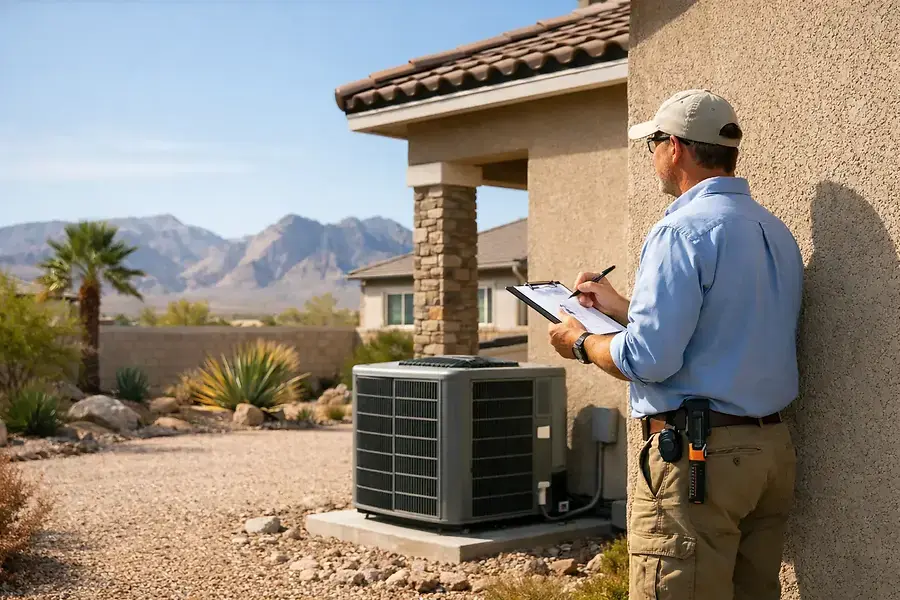
The home inspection process typically takes 2-4 hours and involves a certified inspector examining the property's structural integrity, mechanical systems, and overall condition. During this time, the inspector will document findings with photographs and detailed notes, which become part of your official inspection report.
What to Expect During the Inspection
As a buyer, you have the right to be present during the inspection. This is an excellent opportunity to ask questions and learn about the property directly from the professional. The inspector will systematically evaluate:
- Foundation and structural components
- Roofing and exterior surfaces
- HVAC systems and air conditioning units
- Plumbing and water systems
- Electrical systems and panels
- Interior features and appliances
Understanding this process helps you prepare mentally and financially for potential repairs or negotiations with the seller.
Key Areas Inspectors Focus On in Desert Climate Homes
Las Vegas's unique desert environment presents specific challenges that inspectors prioritize. The intense heat, low humidity, and occasional flash flooding create conditions that affect homes differently than properties in other climates.
Air Conditioning and Cooling Systems
In Las Vegas, a functioning air conditioning system isn't a luxury—it's essential. Inspectors pay special attention to AC units, checking for proper refrigerant levels, compressor function, and overall efficiency. A failing AC system can cost $5,000-$15,000 to replace, making this a critical inspection point.
Roof Condition and Sun Damage
The relentless desert sun accelerates roof deterioration. Inspectors examine roofing materials for:
- Cracking, blistering, or peeling
- Missing or damaged shingles
- Proper ventilation and insulation
- Flashing integrity around vents and chimneys
Early detection of roof issues can save thousands in water damage repairs.
Foundation and Concrete
Desert soil conditions and temperature fluctuations can cause foundation settling and cracking. Inspectors look for signs of structural movement, including cracks in concrete slabs, walls, and driveways. Minor cracks are common, but significant fissures may indicate serious structural problems requiring professional evaluation.
Plumbing and Water Systems
Las Vegas's hard water and mineral deposits can damage plumbing systems over time. Inspectors check for:
- Corrosion in copper pipes
- Water pressure and flow rates
- Water heater condition and age
- Proper drainage and slope
Understanding the water quality in your area helps you plan for potential future maintenance.
Red Flags and Common Issues Found in Local Properties
Certain issues appear frequently in Las Vegas homes due to the climate and construction practices. Knowing these red flags helps you evaluate inspection reports more effectively.
Inadequate Insulation
Many older Las Vegas homes lack sufficient insulation, leading to higher cooling costs. Inspectors assess attic insulation levels and identify areas where heat gain occurs. Proper insulation can reduce energy bills by 15-20%.
Pool and Spa Issues
If the property includes a pool or spa, inspectors evaluate:
- Structural integrity and cracks
- Equipment functionality
- Proper chemical balance systems
- Deck safety and condition
Pool repairs can be expensive, making thorough inspection essential.
Electrical System Concerns
Older homes may have outdated electrical panels or insufficient capacity for modern appliances. Inspectors check for proper grounding, adequate outlets, and code compliance. Electrical issues pose safety risks and should be addressed immediately.
Pest and Termite Damage
While less common than in humid climates, termites and other pests can still damage Las Vegas properties. Inspectors look for evidence of infestation, wood damage, and pest entry points. A separate pest inspection may be recommended if concerns arise.
Drainage and Flood Risk
Despite the desert location, flash flooding can occur. Inspectors assess grading around the foundation, gutter systems, and drainage patterns. Proper drainage prevents water intrusion and foundation damage.
Taking Action: Next Steps After Your Inspection Report
Receiving your inspection report is just the beginning. How you respond to the findings significantly impacts your purchase decision and future satisfaction.
Review and Prioritize Findings
Inspection reports categorize issues by severity. Focus first on major structural, safety, and system problems rather than cosmetic concerns. Work with your real estate agent to understand which issues are negotiable with the seller.
Request Seller Repairs or Credits
Based on inspection findings, you can request that the seller:
- Repair identified issues before closing
- Provide credits toward repairs you'll handle
- Reduce the purchase price to account for repairs
Your negotiating position depends on the local market and the severity of issues found.
Obtain Specialist Evaluations
For significant concerns, hire specialists to provide detailed assessments. A structural engineer, HVAC technician, or roofer can give you accurate repair estimates and timelines. This investment protects you from unexpected costs after purchase.
Plan Your Maintenance Strategy
Use the inspection report to create a maintenance plan for your new home. Address urgent repairs immediately, then schedule preventive maintenance for systems that are aging but functional. Regular maintenance extends system lifespan and prevents costly emergencies.
Document Everything
Keep copies of your inspection report, any specialist evaluations, and repair estimates. This documentation proves valuable for warranty claims, insurance purposes, and future resale.
A thorough inspection report is your roadmap to responsible homeownership in Las Vegas.
By understanding the inspection process, knowing what inspectors prioritize in desert climates, recognizing common local issues, and taking appropriate action on findings, you protect your investment and ensure a smoother transition to homeownership in Las Vegas.


