Las Vegas Home Inspections: Essential Buyer Protection Guide
Discover the critical inspection points that protect your investment in Las Vegas's unique climate and market conditions.

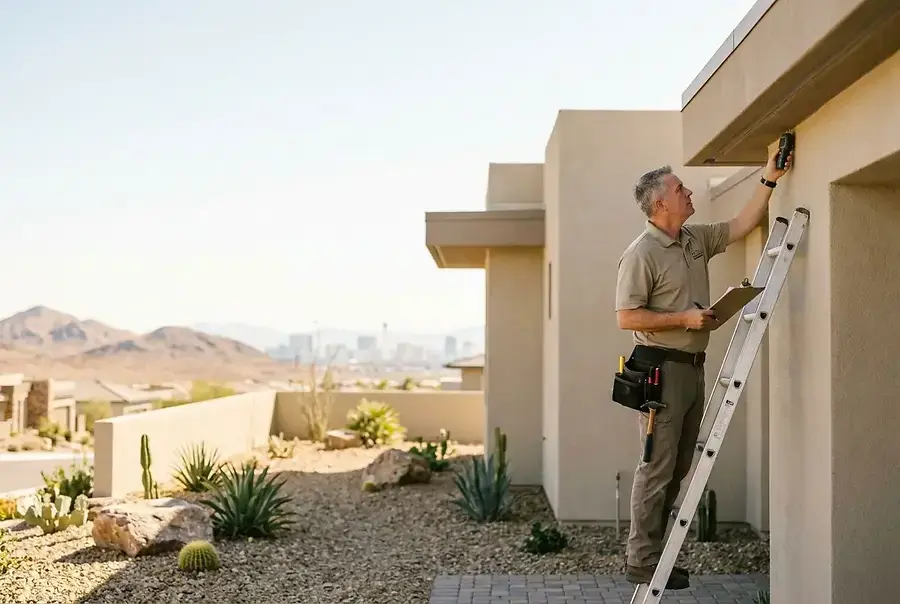
Understanding Las Vegas-Specific Home Inspection Challenges
Las Vegas presents unique challenges for homeowners and buyers that differ significantly from other regions. The intense desert heat, low humidity, and mineral-rich water create conditions that can accelerate wear and tear on properties. When purchasing a home in Las Vegas, understanding these environmental factors is crucial to making an informed decision.
The extreme temperature fluctuations between day and night can cause materials to expand and contract repeatedly, leading to structural stress. Additionally, the alkaline water common in the Las Vegas area can cause mineral buildup in pipes and appliances, reducing their lifespan. Professional inspectors familiar with the Las Vegas market know exactly what to look for and how these conditions impact property value and longevity.
Why Desert Climate Matters
The desert climate is both a blessing and a challenge for homeowners. While the dry weather means less mold and moisture-related issues compared to humid climates, it also means:
- Rapid deterioration of roofing materials due to UV exposure
- Increased stress on HVAC systems working overtime during summer months
- Foundation movement caused by soil expansion and contraction
- Accelerated fading and cracking of exterior paint and stucco
A qualified Las Vegas home inspector will assess how well the property has weathered these challenges and identify potential future problems.
Key Areas Inspectors Focus On in Desert Properties
Roof and Exterior Surfaces
The Las Vegas sun is relentless, and roofing materials bear the brunt of this exposure. Inspectors examine shingles, tiles, and flat roofs for signs of deterioration, including:
- Curling, cracking, or missing shingles
- Granule loss indicating age and UV damage
- Proper flashing around vents and chimneys
- Adequate ventilation to prevent heat buildup
Exterior stucco and paint also receive careful attention, as the desert sun causes rapid fading and can expose underlying moisture problems.
HVAC Systems and Cooling Equipment
In Las Vegas, air conditioning isn't a luxury—it's essential. Inspectors evaluate:
- Age and condition of the AC unit
- Proper refrigerant levels and system efficiency
- Ductwork integrity and insulation
- Thermostat functionality and programming
- Adequate maintenance records
A well-maintained AC system can cost $5,000 to $15,000 to replace, making this one of the most critical inspection areas for desert properties.
Plumbing and Water Quality Issues
Las Vegas water is notoriously hard and alkaline. Inspectors check for:
- Mineral buildup in pipes and fixtures
- Water pressure and flow rates
- Corrosion in copper pipes
- Water heater condition and age
- Evidence of leaks or water damage
Many Las Vegas homeowners invest in water softening systems to combat these issues, which should be noted during inspection.
Foundation and Structural Integrity
Desert soil conditions can cause foundation movement. Inspectors look for:
- Cracks in foundation walls or slabs
- Uneven floors or doors that don't close properly
- Gaps between walls and ceilings
- Signs of settling or shifting
Minor cracks are common in Las Vegas homes, but significant structural issues can be costly to repair.
How to Interpret Your Inspection Report and Negotiate Repairs
Understanding the Report
A comprehensive home inspection report will categorize findings into three levels: safety concerns, major repairs needed, and minor maintenance items. Pay special attention to safety-related issues, as these should be addressed before closing.
Don't be alarmed by a lengthy report—even new homes have minor issues. The key is understanding which items are deal-breakers and which are routine maintenance.
Negotiation Strategies
Once you have your inspection report, you have several options:
- Request repairs: Ask the seller to fix major issues before closing
- Request credits: Have the seller provide funds to cover repairs you'll handle
- Renegotiate price: Adjust the offer based on repair costs
- Walk away: If issues are too significant, you can terminate the purchase
In Las Vegas's competitive market, be strategic. Focus negotiations on items that affect safety, functionality, or long-term value rather than cosmetic issues.
Getting Second Opinions
For major concerns—especially HVAC, foundation, or roof issues—consider hiring a specialist. A licensed HVAC technician or structural engineer can provide detailed assessments and repair estimates, strengthening your negotiating position.
Protecting Your Investment: Next Steps After Inspection
Create a Maintenance Plan
After closing, establish a regular maintenance schedule. Desert properties require:
- AC system servicing twice yearly (spring and fall)
- Roof inspections annually
- Water heater flushing to remove mineral deposits
- Landscaping adjustments to prevent foundation issues
- Caulking and sealing to prevent water intrusion
Preventive maintenance is far less expensive than emergency repairs in the Las Vegas heat.
Document Everything
Keep detailed records of all inspections, repairs, and maintenance. This documentation:
- Helps you track the property's condition over time
- Supports warranty claims if needed
- Increases resale value when you eventually sell
- Provides evidence of proper care to insurance companies
Stay Informed About Your Property
Learn about your home's specific systems and vulnerabilities. Understanding your property's unique challenges helps you catch problems early and make informed decisions about repairs and upgrades.
Consider scheduling a follow-up inspection every 3-5 years to catch developing issues before they become expensive problems. This is especially important for older homes or those with previous inspection concerns.
Final Thoughts
A thorough home inspection is one of the most important steps in the Las Vegas home buying process. By understanding desert-specific challenges, carefully reviewing your inspection report, and committing to preventive maintenance, you'll protect your investment and enjoy your Las Vegas home for years to come.


