Las Vegas Home Inspections: Essential Buyer's Guide to Property Protection
Discover the critical inspection points that protect your investment and reveal hidden issues before closing on your Las Vegas property.

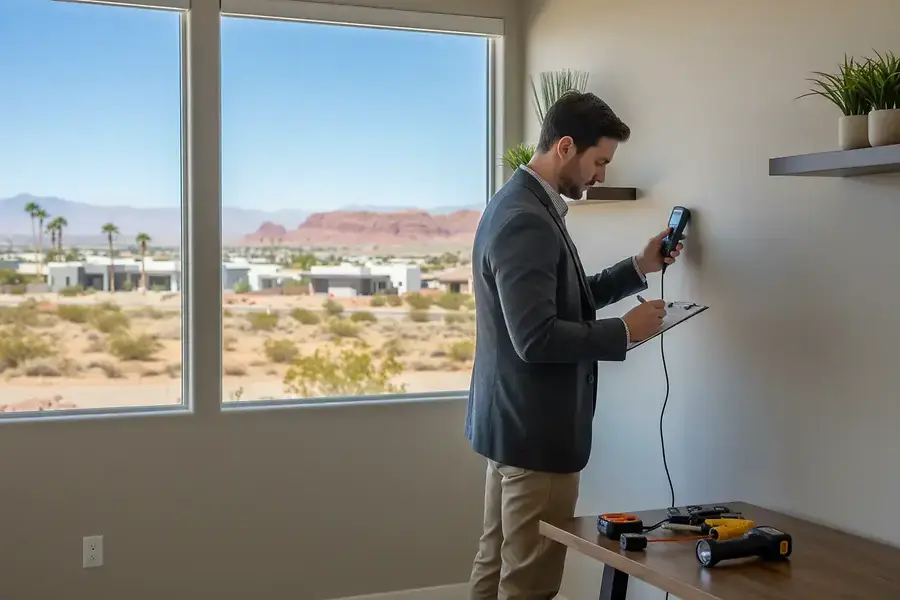
Understanding the Home Inspection Process in Las Vegas
Purchasing a home in Las Vegas is one of the most significant financial decisions you'll make. A professional home inspection is your first line of defense against costly surprises after closing. In Nevada, home inspections are not legally required, but they are highly recommended for any buyer looking to protect their investment.
A typical home inspection in Las Vegas takes between two to four hours, depending on the property's size and age. During this time, a certified inspector will examine the home's structural integrity, mechanical systems, and overall condition. The inspector will provide a detailed report documenting their findings, which becomes crucial information for negotiating repairs or price adjustments.
What to Expect During Your Inspection
When you hire a home inspector, you have the right to be present during the inspection. This is an excellent opportunity to ask questions and understand the property's condition firsthand. The inspector will walk through every accessible area, testing systems and identifying potential issues. Being present allows you to learn about your future home and ask the inspector about maintenance requirements.
Key Areas Inspectors Examine in Desert Climate Homes
Las Vegas's unique desert climate presents specific challenges that inspectors prioritize. Understanding these focus areas helps you know what to watch for in your potential home.
Roof and Exterior Surfaces
The intense desert sun and extreme temperature fluctuations take a toll on roofing materials. Inspectors examine:
- Shingle condition and signs of deterioration
- Flashing around vents and chimneys
- Gutters and drainage systems
- Evidence of previous repairs or patches
A well-maintained roof is critical in Las Vegas, where UV exposure can degrade materials faster than in other climates.
HVAC Systems and Air Conditioning
Your air conditioning system is essential in Las Vegas. Inspectors evaluate:
- Unit age and operational efficiency
- Refrigerant levels and potential leaks
- Ductwork condition and insulation
- Thermostat functionality
A failing AC system can cost $5,000 to $15,000 to replace, making this inspection point particularly important for budget planning.
Plumbing and Water Systems
Desert water is often mineral-heavy, affecting plumbing longevity. Inspectors check:
- Pipe materials and corrosion signs
- Water pressure and flow rates
- Water heater condition and age
- Drainage systems and potential blockages
Foundation and Structural Elements
Las Vegas's soil composition can cause foundation issues. Inspectors look for:
- Cracks in concrete or foundation walls
- Signs of settling or shifting
- Moisture intrusion in basements or crawl spaces
- Proper grading around the foundation
Electrical Systems
Older Las Vegas homes may have outdated electrical systems. Inspectors examine:
- Panel condition and capacity
- Outlet and switch functionality
- Grounding and safety features
- Signs of overheating or damage
Red Flags and How to Respond to Inspection Findings
Not every issue found during inspection is a deal-breaker. Understanding how to respond to findings helps you make informed decisions.
Major Red Flags
Certain findings warrant serious consideration:
- Foundation cracks or settling: These can be expensive to repair and may indicate structural problems
- Roof damage or age: Replacement is costly and should be factored into your offer
- Failing HVAC systems: Essential in Las Vegas; replacement is a significant expense
- Electrical hazards: Safety issues must be addressed before purchase
- Mold or water damage: Can indicate ongoing moisture problems
Minor Issues and Maintenance Items
Not all inspection findings are serious. Common minor issues include:
- Caulking needs around windows and doors
- Paint touch-ups or exterior maintenance
- Gutter cleaning or minor repairs
- Weatherstripping replacement
These items are typically handled through seller concessions or are manageable expenses for new owners.
Negotiation Strategies
Once you receive the inspection report, you have several options:
Request repairs: Ask the seller to fix major issues before closing. This ensures work is done to code and with proper permits.
Request credits: The seller provides money at closing to cover repair costs, allowing you to hire contractors of your choice.
Renegotiate price: Reduce the offer price to account for needed repairs and future maintenance.
Walk away: If major issues are discovered and the seller won't negotiate, you can terminate the purchase within your inspection contingency period.
Working with Your Inspector
Choose a certified, experienced inspector familiar with Las Vegas properties. Ask about their credentials, experience with desert climate homes, and whether they're insured and bonded. A thorough inspector will provide detailed explanations of findings and answer your questions patiently.
Conclusion: Making Informed Decisions with Inspection Results
A home inspection is an investment in your peace of mind and financial security. In Las Vegas's unique desert environment, understanding what inspectors look for and how to respond to findings empowers you to make confident purchasing decisions.
Remember that no home is perfect. The inspection report provides a roadmap of the property's condition, helping you understand maintenance needs and potential future expenses. Use this information to negotiate fairly with sellers and plan your homeownership budget accordingly.
By taking home inspections seriously and responding strategically to findings, you protect your investment and ensure your Las Vegas home is a sound financial decision for years to come. Don't skip this critical step in the buying process—your future self will thank you.


