Las Vegas Home Selling: Master Pricing Strategies to Win Buyers
Master competitive pricing to attract serious buyers and close faster in today's Las Vegas market.

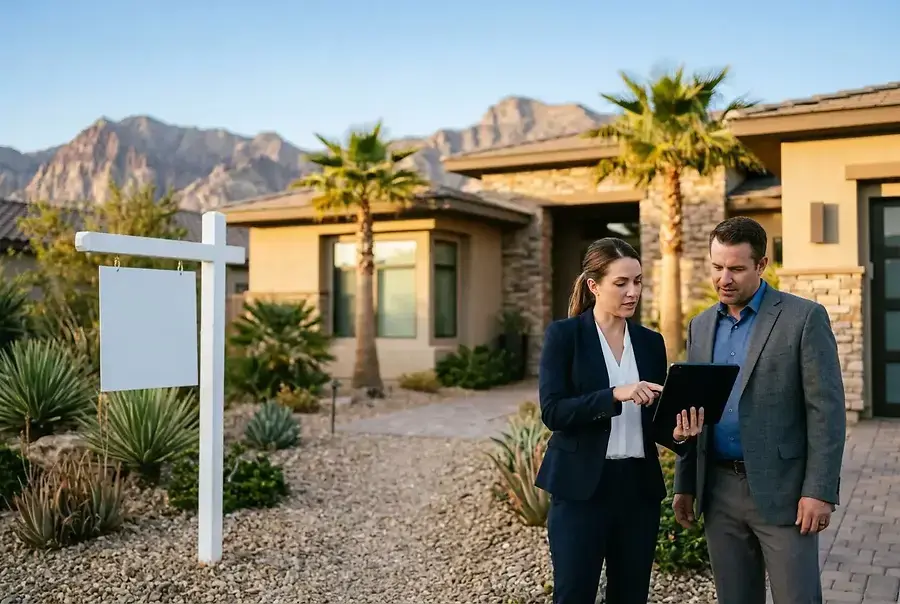
The Critical Role of Pricing in Las Vegas Real Estate
In the fast-paced Las Vegas real estate market, pricing is far more than just a number—it's a strategic decision that can make or break your home sale. The difference between a property that sits on the market for months and one that attracts multiple offers often comes down to one critical factor: competitive pricing.
Sellers who understand the nuances of pricing strategy gain a significant advantage. They attract serious buyers, generate bidding wars, and ultimately maximize their return on investment. Whether you're selling a modest home in a growing neighborhood or a luxury property in an established community, mastering pricing strategies is essential to success.
The Las Vegas market is dynamic and ever-changing. Buyers today are more informed than ever, armed with data and comparable sales information at their fingertips. This means your pricing strategy must be equally sophisticated and data-driven.
Understanding Current Market Conditions and Buyer Expectations
The Modern Buyer's Perspective
Today's Las Vegas homebuyers are savvy investors and families who conduct thorough research before making offers. They compare properties meticulously, analyze neighborhood trends, and expect transparency in pricing. Overpricing your home is one of the fastest ways to lose qualified buyers, while underpricing leaves money on the table.
Buyers in the current market expect:
- Competitive pricing relative to comparable properties
- Clear justification for any premium pricing
- Honest representation of property condition and features
- Alignment with neighborhood market trends
Market Dynamics in Las Vegas
The Las Vegas real estate market operates differently across various neighborhoods and price points. Some areas experience high demand with multiple offers, while others require more strategic pricing to attract interest. Understanding these dynamics is crucial for positioning your home effectively.
Key factors influencing the current market include:
- Population growth and migration patterns into the Las Vegas area
- Interest rates and financing availability for buyers
- Inventory levels in your specific neighborhood
- Seasonal demand fluctuations
- Local economic conditions and employment trends
Proven Pricing Strategies for Different Neighborhood Segments
Strategy 1: The Competitive Market Analysis (CMA) Approach
The foundation of any solid pricing strategy is a comprehensive Competitive Market Analysis. This involves researching recently sold properties in your neighborhood that are similar to yours in size, condition, and features.
Steps to conduct an effective CMA:
- Identify 5-10 comparable properties sold within the last 90 days
- Adjust for differences in square footage, age, and condition
- Account for location variations within your neighborhood
- Review current active listings to understand market positioning
- Consult with local real estate professionals for market insights
This data-driven approach ensures your pricing is grounded in reality, not wishful thinking.
Strategy 2: The Value-Add Positioning Strategy
If your home has unique features or recent upgrades, strategic pricing can highlight these advantages. Rather than simply matching comparable sales, you can position your property at a slight premium if justified by:
- Recent renovations or modernizations
- Energy-efficient upgrades and smart home features
- Premium location within the neighborhood
- Exceptional outdoor spaces or amenities
- Low-maintenance or move-in ready condition
The key is ensuring your premium pricing is supported by tangible, valuable improvements that buyers will recognize and appreciate.
Strategy 3: The Market Penetration Strategy
In competitive neighborhoods with high inventory, strategic underpricing—just slightly below market rate—can generate significant buyer interest and multiple offers. This approach works particularly well when:
- You need to sell quickly
- Inventory levels are high in your area
- Your property needs minor repairs or updates
- You want to create bidding momentum
A well-executed market penetration strategy can result in a final sale price that exceeds your initial asking price due to competitive bidding.
Strategy 4: The Neighborhood Segment Strategy
Las Vegas has distinct neighborhood segments, each with unique buyer profiles and pricing dynamics:
Established Communities: Properties in well-established neighborhoods often command premium pricing due to stability, amenities, and reputation. Price competitively within the segment, emphasizing community benefits.
Emerging Neighborhoods: Newer areas with growth potential may require more aggressive pricing to attract early adopters. Highlight future development and investment potential.
Luxury Segments: High-end properties require sophisticated pricing that reflects unique features, views, and exclusivity. Work with specialists who understand luxury buyer expectations.
First-Time Buyer Markets: Properties targeting first-time buyers should be priced to maximize affordability while remaining profitable. Consider financing options and buyer assistance programs.
Strategy 5: The Seasonal Adjustment Strategy
Pricing should reflect seasonal market variations. Spring and early summer typically see higher buyer activity, allowing for more competitive pricing. Winter months may require more strategic pricing to attract serious buyers who are less price-sensitive.
Taking Action to Maximize Your Home's Market Potential
Mastering pricing strategies isn't a one-time event—it's an ongoing process that requires attention, flexibility, and market awareness. Here's how to take action:
Step 1: Gather Data - Conduct a thorough CMA and research your neighborhood's current market conditions.
Step 2: Assess Your Property - Honestly evaluate your home's condition, features, and unique selling points.
Step 3: Choose Your Strategy - Select the pricing approach that best aligns with your goals, timeline, and market conditions.
Step 4: Set Your Price - Price competitively based on data and strategy, not emotion or wishful thinking.
Step 5: Monitor and Adjust - Track buyer interest and market response. Be prepared to adjust if necessary.
The Las Vegas real estate market rewards sellers who approach pricing strategically and intelligently. By understanding market conditions, analyzing comparable sales, and selecting the right pricing strategy for your situation, you position yourself to attract serious buyers, generate competitive interest, and maximize your home's market potential.
Your pricing strategy is your first impression on potential buyers. Make it count by combining data-driven analysis with strategic positioning. The result? A faster sale at the best possible price.