Lee's Summit Home Inspection: Essential Guide for Residential Buyers
Master the critical inspection process to protect your investment and avoid costly surprises when buying residential property in Lee's Summit.

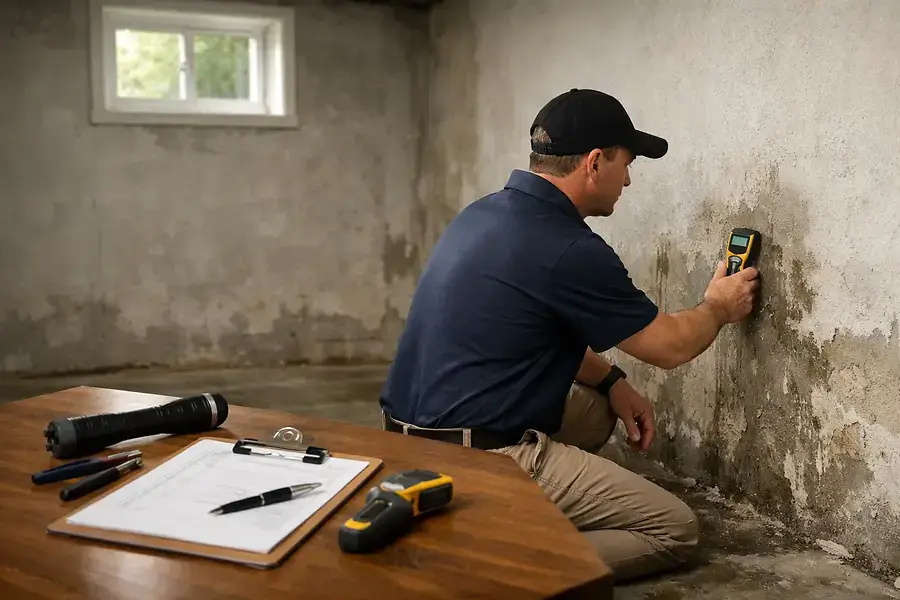
Understanding the Home Inspection Process in Lee's Summit
A home inspection is one of the most critical steps in the residential buying process. It provides an objective assessment of a property's condition and helps you make an informed decision before committing to such a significant investment. In Lee's Summit, professional home inspectors follow industry standards to evaluate structural integrity, mechanical systems, and overall property condition.
The typical home inspection takes between two to four hours, depending on the property's size and age. During this time, a certified inspector will examine the foundation, roof, plumbing, electrical systems, HVAC equipment, and interior components. It's essential to be present during the inspection so you can ask questions and understand any concerns the inspector identifies.
What to Expect During Your Inspection
Your inspector will provide a detailed written report documenting their findings. This report typically includes:
- Photographs of problem areas
- Descriptions of defects and their severity
- Recommendations for repairs or further evaluation
- Estimated costs for addressing issues
- Safety concerns that require immediate attention
Understanding this report is crucial for your next steps in the buying process. Don't hesitate to ask your inspector to clarify any technical terms or concerns.
Common Issues Found in Local Residential Properties
Lee's Summit properties, like homes throughout the Midwest, face specific challenges related to climate and local construction practices. Being aware of these common issues helps you evaluate inspection reports more effectively.
Moisture and Water Damage
The Kansas City area experiences significant rainfall and humidity, making moisture-related issues prevalent in local homes. Common problems include:
- Basement seepage and water intrusion
- Roof leaks and damaged flashing
- Compromised grading around the foundation
- Inadequate gutter systems
Water damage can lead to mold growth and structural deterioration, making it one of the most serious issues to address promptly.
HVAC and Mechanical Systems
Heating and cooling systems in Lee's Summit homes work overtime due to seasonal temperature extremes. Inspectors frequently identify:
- Aging furnaces and air conditioning units nearing the end of their lifespan
- Inadequate insulation in attics and walls
- Outdated or unsafe electrical panels
- Plumbing issues including corrosion and leaks
Structural and Foundation Concerns
Older homes in Lee's Summit may exhibit foundation settling, cracks, or deterioration. These issues require professional evaluation to determine if they're cosmetic or structurally significant.
Red Flags and How to Negotiate Repairs
Not all inspection findings require the same level of concern. Learning to distinguish between minor issues and serious problems helps you prioritize your negotiations with the seller.
Critical Red Flags
Certain findings should give you serious pause about proceeding with a purchase:
- Foundation cracks or significant settling – These can be expensive to repair and indicate structural problems
- Roof damage or age – A roof replacement can cost $10,000 or more
- Mold or extensive water damage – Health hazards and costly remediation
- Outdated electrical systems – Safety risks and potential fire hazards
- Failing septic systems – Replacement costs are substantial
Negotiation Strategies
Once you have your inspection report, you have several options for addressing identified issues:
Request repairs before closing: Ask the seller to fix critical issues before you take ownership. This ensures the work is done to your standards.
Request a price reduction: If the seller won't make repairs, negotiate a lower purchase price to account for the cost of fixes you'll handle yourself.
Request an escrow account: For minor issues, some buyers and sellers agree to hold funds in escrow to cover repairs after closing.
Pro Tip: Always get multiple quotes for major repairs before negotiating. This gives you concrete numbers to support your requests and ensures you're not overestimating costs.
When to Walk Away
Sometimes the inspection reveals problems so significant that proceeding isn't wise. Don't let emotions override logic. If repair costs approach or exceed your contingency budget, or if structural issues suggest ongoing problems, it may be time to move on to another property.
Conclusion: Making Confident Home Buying Decisions
A thorough home inspection is your best defense against costly surprises after purchase. In Lee's Summit, understanding local property issues, knowing what to look for in inspection reports, and negotiating effectively puts you in control of the buying process.
Remember that the inspection contingency period is your opportunity to make an informed decision about whether this property is the right investment for you. Take the time to understand the report, ask questions, and consult with professionals when needed. By following these guidelines and taking the inspection process seriously, you'll be well-equipped to make confident decisions that protect your financial investment and ensure you're buying a home that meets your needs and expectations.
Your future self will thank you for the diligence you invest in this critical step of the home buying journey.


