Lewisville Home Inspection Essentials: What Every Buyer Should Know
Master the critical inspection process to protect your investment and avoid costly surprises in the Lewisville market.

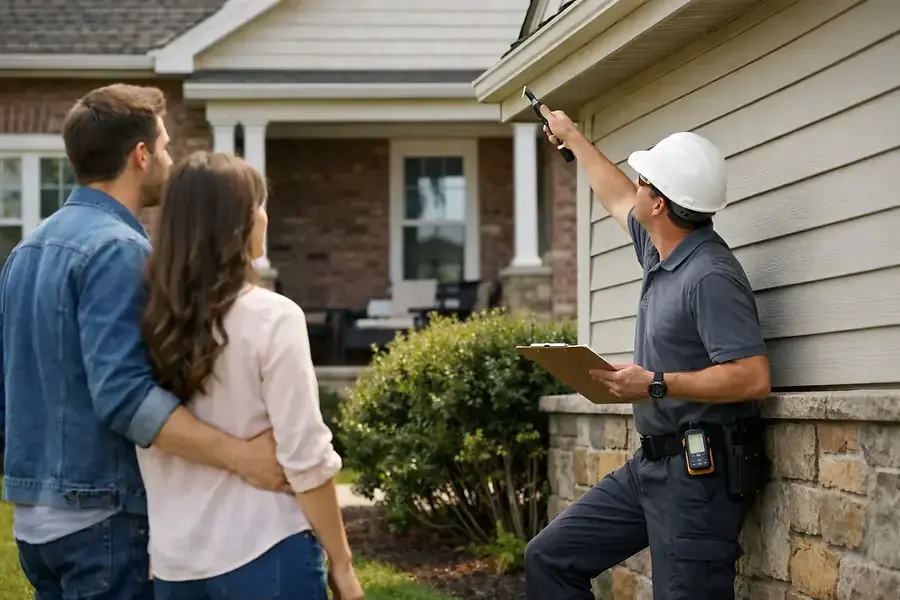
Why Home Inspections Matter in Lewisville
Purchasing a home is one of the most significant financial decisions you'll make in your lifetime. In the competitive Lewisville real estate market, a thorough home inspection is your best defense against unexpected repairs and hidden defects. A professional inspection provides an objective assessment of your potential property's condition, giving you the knowledge needed to negotiate effectively and plan for future maintenance.
Many first-time homebuyers underestimate the importance of inspections, viewing them as an unnecessary expense. However, discovering a major structural issue or failing HVAC system after closing can cost tens of thousands of dollars. An inspection typically costs between $300-$500 but can save you from making a costly mistake.
Key Areas Inspectors Examine and What to Look For
Structural Components
Professional inspectors begin by evaluating the home's foundation, framing, and overall structural integrity. They look for:
- Foundation cracks – Minor hairline cracks are normal, but larger or expanding cracks indicate serious problems
- Settling and shifts – Uneven floors or doors that don't close properly may signal foundation movement
- Water damage – Stains or soft spots in basement walls suggest moisture intrusion issues
Roofing and Exterior
The roof is your home's first line of defense against the elements. Inspectors examine:
- Shingle condition and remaining lifespan
- Flashing around chimneys, vents, and skylights
- Gutters and downspout functionality
- Exterior siding, trim, and paint condition
Plumbing Systems
Water-related issues are among the most expensive to repair. Inspectors check:
- Water pressure and flow rates
- Pipe material and condition (older homes may have outdated plumbing)
- Drainage systems and septic functionality
- Water heater age and condition
Electrical Systems
A safe electrical system is non-negotiable. Inspectors verify:
- Panel capacity and breaker functionality
- Proper grounding and bonding
- Outlet safety and GFCI protection in wet areas
- Outdated wiring that may pose fire hazards
HVAC and Climate Control
Heating and cooling systems are critical for comfort and can be expensive to replace. Inspectors assess:
- Furnace and air conditioner age and efficiency
- Proper ventilation and ductwork condition
- Thermostat functionality
Common Issues Found in Lewisville Homes and How to Address Them
Moisture and Humidity Problems
Lewisville's climate can contribute to moisture-related issues in homes. Common problems include basement dampness, crawl space moisture, and attic condensation. These issues can lead to mold growth and wood rot if left unaddressed. Solutions range from improving drainage and ventilation to installing dehumidifiers or sump pumps.
Aging HVAC Systems
Many Lewisville homes contain HVAC systems that are 15-20 years old or more. While older systems may still function, they're less efficient and more prone to breakdowns. Budget for replacement within the next few years, or negotiate a credit from the seller if the system is near the end of its lifespan.
Roof Deterioration
Texas weather can be tough on roofing materials. Hail damage, UV exposure, and wind can all shorten a roof's lifespan. If your inspection reveals significant wear, request that the seller either replace the roof or provide a credit toward replacement costs.
Plumbing Concerns
Older Lewisville homes may have galvanized pipes that are corroded or polybutylene pipes prone to failure. If detected, plan for eventual replacement. Additionally, check for proper water pressure and drainage issues that could indicate deeper problems.
Electrical Upgrades Needed
Homes built decades ago may have insufficient electrical capacity for modern appliances and devices. Outdated wiring or inadequate grounding can pose safety risks. Budget for electrical panel upgrades or rewiring if the inspection reveals these issues.
Using Inspection Results to Make Confident Offers
Once you receive your inspection report, you have several options. Don't panic if issues are found – most homes have some problems. The key is understanding their severity and cost implications.
Negotiate repairs or credits: Use the inspection report as leverage to request that the seller fix major issues or provide a credit toward repairs. This is especially effective for significant problems like roof replacement or foundation repair.
Request a re-inspection: If major repairs are agreed upon, schedule a follow-up inspection to verify the work was completed properly.
Plan your budget: For minor issues, you may choose to proceed with the purchase and handle repairs yourself. Factor these costs into your overall budget and timeline.
Walk away if necessary: If the inspection reveals extensive problems that would be costly to repair, you have the right to withdraw your offer, especially if you included an inspection contingency in your contract.
A thorough home inspection is an investment in your peace of mind and financial security. By understanding what inspectors look for and how to interpret their findings, you'll be equipped to make informed decisions in the Lewisville real estate market. Don't skip this critical step – your future home depends on it.


