Libertyville Home Inspection Checklist: Protect Your Investment
Essential inspection tips every Libertyville homebuyer should know before closing on their property.

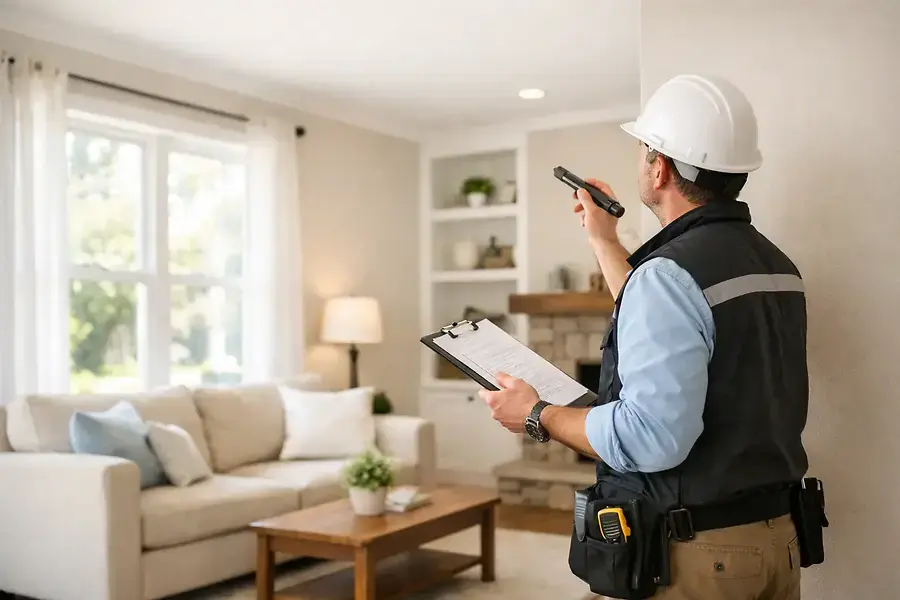
Why Home Inspections Matter in Libertyville's Competitive Market
Purchasing a home in Libertyville is one of the most significant investments you'll make in your lifetime. In today's competitive real estate market, many buyers feel pressured to make quick decisions and skip crucial steps. However, a thorough home inspection is non-negotiable if you want to protect your financial interests and ensure you're making an informed decision.
A professional home inspection provides an objective assessment of your potential property's condition. It reveals hidden issues that could cost thousands of dollars to repair and helps you negotiate better terms with the seller. Whether you're buying a charming historic home or a modern suburban property, understanding what to look for during an inspection is essential.
Key Areas to Inspect: Structural, Systems, and Safety Concerns
Foundation and Structural Integrity
The foundation is the backbone of any home. During your inspection, look for:
- Cracks in the foundation walls or basement floors
- Water damage, dampness, or mold growth
- Uneven or sloping floors
- Gaps between walls and the foundation
Structural issues can be expensive to repair, so this is a critical area to evaluate carefully. A professional inspector will use specialized tools to assess the severity of any problems they discover.
Roofing and Exterior
Your roof protects everything beneath it. Inspect for:
- Missing, cracked, or curling shingles
- Sagging roof lines
- Deteriorated flashing around chimneys and vents
- Gutter condition and proper drainage
- Exterior siding damage or rot
A roof replacement can cost $10,000 or more, making this inspection crucial for your budget planning.
Electrical Systems
Electrical safety is paramount. Your inspector should check:
- The main electrical panel and circuit breakers
- Proper grounding and bonding
- Outlet functionality and safety
- Presence of outdated wiring (such as knob-and-tube)
- GFCI outlets in bathrooms and kitchens
Outdated or faulty electrical systems pose serious fire and shock hazards.
Plumbing and Water Systems
Water-related issues can lead to significant damage. Evaluate:
- Water pressure and flow rates
- Pipe material and condition (galvanized, copper, PVC)
- Signs of leaks or water damage
- Water heater age and functionality
- Septic system condition (if applicable)
Corroded pipes or a failing water heater can require expensive replacements.
HVAC Systems
Heating and cooling systems are essential for comfort and safety. Check:
- Age and condition of furnace and air conditioning unit
- Proper ventilation and ductwork
- Carbon monoxide detector presence
- System efficiency and maintenance history
Red Flags and Deal-Breakers: What to Watch For in Older Libertyville Homes
Asbestos and Lead Paint
Homes built before the 1980s may contain asbestos in insulation, floor tiles, and roofing materials. Homes built before 1978 may have lead-based paint. These materials require professional remediation and can significantly impact your health and budget.
Mold and Water Intrusion
Mold growth indicates moisture problems that extend beyond cosmetic concerns. Persistent moisture can compromise structural integrity and create health hazards. Look for:
- Visible mold in basements, attics, or crawl spaces
- Water stains on ceilings or walls
- Musty odors
- Evidence of previous flooding
Pest Infestation
Termites, carpenter ants, and rodents can cause extensive structural damage. Signs include:
- Wood damage or hollow-sounding wood
- Droppings or nesting materials
- Mud tubes (termite indicators)
- Unexplained holes in wood or drywall
Outdated Systems Requiring Replacement
Budget for replacement if you find:
- Furnace or air conditioning units over 15 years old
- Water heater nearing end of life
- Knob-and-tube wiring
- Polybutylene plumbing (prone to failure)
Poor Ventilation and Insulation
Inadequate insulation and ventilation lead to higher energy bills and potential moisture problems. Check attic insulation levels and ensure proper ventilation in bathrooms and kitchens.
Making Informed Decisions with Professional Guidance
Hire a Qualified Inspector
Don't rely on your real estate agent or the seller's inspector. Hire an independent, certified home inspector who has no financial interest in the sale. Look for inspectors certified by the American Society of Home Inspectors (ASHI) or similar organizations.
Attend the Inspection
Be present during the inspection if possible. This gives you the opportunity to ask questions, understand issues firsthand, and learn about the home's systems and maintenance requirements.
Review the Report Carefully
The inspection report should be detailed and easy to understand. It should categorize issues by severity and provide recommendations for repairs or further evaluation. Don't ignore items marked as "safety concerns" or "major repairs needed."
Get Repair Estimates
For significant issues, obtain written estimates from licensed contractors. This information helps you decide whether to negotiate repairs with the seller, request a price reduction, or walk away from the deal.
Consider a Second Opinion
For major structural or system issues, it's wise to have a specialist (such as a structural engineer or electrician) provide a second opinion. The cost of a specialist inspection is minimal compared to potential repair expenses.
Remember: A home inspection is your opportunity to make an informed decision about one of the largest purchases of your life. Don't rush this process or skip it to save money.
Final Thoughts
A comprehensive home inspection is your best defense against costly surprises after closing. By understanding what to look for and working with qualified professionals, you can confidently move forward with your Libertyville home purchase. Take your time, ask questions, and trust your instincts. Your future self will thank you for the diligence you invest today.


