Long Beach Home Inspections: A Buyer's Essential Guide to Coastal Properties
Essential inspection insights to protect your investment and avoid costly surprises in the Long Beach real estate market.

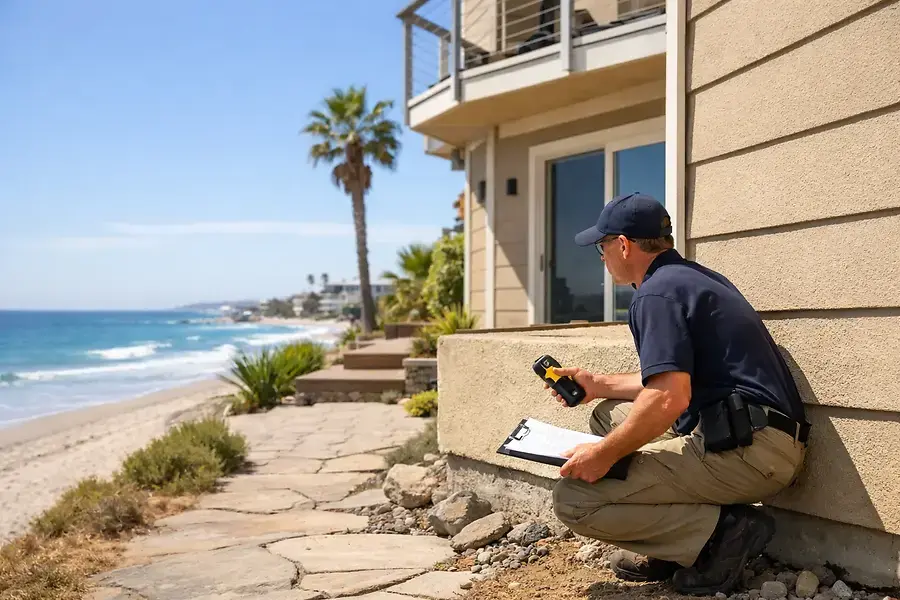
Why Home Inspections Matter in Long Beach
Purchasing a home in Long Beach is one of the most significant investments you'll make in your lifetime. The coastal real estate market presents unique challenges that differ from inland properties, making professional home inspections absolutely critical. Long Beach's proximity to the ocean means homes face distinct environmental pressures including salt air corrosion, moisture infiltration, and foundation issues that can develop over time.
A comprehensive home inspection serves as your first line of defense against costly surprises after closing. Inspectors identify problems ranging from minor repairs to major structural concerns that could affect your home's value and safety. In the Long Beach market, where property values are substantial, skipping or rushing through an inspection could cost you thousands in unexpected repairs.
Key benefits of a thorough home inspection include:
- Identifying hidden defects before purchase
- Negotiating repair credits or price reductions
- Planning for future maintenance and budgeting
- Understanding the true condition of coastal-specific systems
- Protecting your investment and peace of mind
Key Areas Inspectors Focus On for Coastal Properties
Foundation and Structural Integrity
Coastal properties in Long Beach face unique foundation challenges due to soil composition, salt water intrusion, and moisture exposure. Inspectors carefully examine foundations for cracks, settling, and signs of water damage. The combination of sandy soil and proximity to water creates conditions where foundations can shift or deteriorate faster than inland homes.
Roof and Exterior Surfaces
Salt air accelerates deterioration of roofing materials, siding, and metal components. Inspectors look for premature aging, corrosion on flashing, and compromised seals. They assess whether materials are appropriate for coastal conditions and check for proper ventilation that prevents moisture buildup under roofing.
Moisture and Water Intrusion
This is perhaps the most critical concern for Long Beach homes. Inspectors use moisture meters and thermal imaging to detect water penetration in walls, attics, and crawl spaces. They examine caulking around windows and doors, check for proper grading around the foundation, and inspect gutters and downspouts for adequate water management.
HVAC and Mechanical Systems
Salt air corrodes air conditioning units and other mechanical systems more rapidly than in non-coastal areas. Inspectors evaluate the age and condition of HVAC systems, checking for rust, proper refrigerant levels, and adequate maintenance. They also assess whether systems are rated for coastal environments.
Plumbing and Water Quality
Coastal properties often experience accelerated corrosion in copper pipes and galvanized plumbing. Inspectors check for leaks, water pressure, and signs of corrosion. They may recommend water testing to identify salt water intrusion or other quality issues affecting the home's water supply.
Electrical Systems
Salt air can compromise electrical components and connections. Inspectors verify that electrical panels are properly rated for coastal conditions, check for adequate grounding, and ensure all outlets and switches function correctly. They look for signs of corrosion on electrical connections.
Red Flags and How to Negotiate Repairs
Common Red Flags in Long Beach Inspections
Watch for these warning signs during your inspection:
- Visible mold or mildew growth indicating moisture problems
- Rust stains or efflorescence on foundation walls
- Peeling paint or deteriorated caulking around windows
- Sagging roof lines or missing shingles
- Water stains on ceilings or walls
- Corroded metal components or fixtures
- Cracks in foundation or exterior walls
- Evidence of previous water damage or repairs
Negotiating Repairs and Credits
Once your inspection is complete, you have several options for addressing identified issues. Don't simply accept problems as-is—use your inspection report as a negotiating tool. Request that sellers repair major issues before closing, or ask for credits to handle repairs yourself after purchase.
Prioritize negotiating for structural repairs, moisture issues, and safety concerns. Minor cosmetic issues may not be worth negotiating, but significant problems affecting the home's integrity or your safety should be addressed. Get repair estimates from licensed contractors to support your negotiation requests with concrete numbers.
Remember: A professional inspection report gives you leverage in negotiations. Sellers often expect reasonable requests for repairs, especially for major issues that affect the property's value and livability.
When to Walk Away
Some inspection findings may indicate problems too extensive or expensive to justify the purchase. Severe structural damage, extensive mold, or pervasive moisture issues might make a property a poor investment. Trust your inspector's professional judgment and don't let emotions override practical financial considerations.
Making Informed Decisions with Inspection Reports
Your home inspection report is a comprehensive document that details every system and component of the property. Take time to review it thoroughly and ask your inspector to explain any findings you don't understand. Request clarification on severity levels—some issues require immediate attention while others can be addressed over time.
Use the inspection report to create a maintenance plan and budget for future repairs. Understanding the condition of your home's systems helps you plan for replacements and maintenance. Many inspectors provide recommendations for preventive care that can extend the life of your home's components.
Final steps for a successful purchase:
- Review the complete inspection report before making final decisions
- Have your real estate agent explain any technical findings
- Consult specialists for major concerns (structural engineers, mold inspectors, etc.)
- Negotiate repairs or credits based on inspection findings
- Plan your maintenance budget based on inspector recommendations
- Keep the inspection report for future reference and warranty claims
A thorough home inspection is your best protection when purchasing a Long Beach property. By understanding what inspectors look for and how to use their findings, you can make informed decisions that protect your investment and ensure your new home is safe, sound, and worth the price you're paying. Don't rush this critical step—your future satisfaction and financial security depend on it.


