Long Island Coastal Homes: Waterfront Living Benefits and Buyer Considerations
Discover what makes waterfront and near-shore properties in Long Island's 26 communities uniquely valuable for residential buyers.

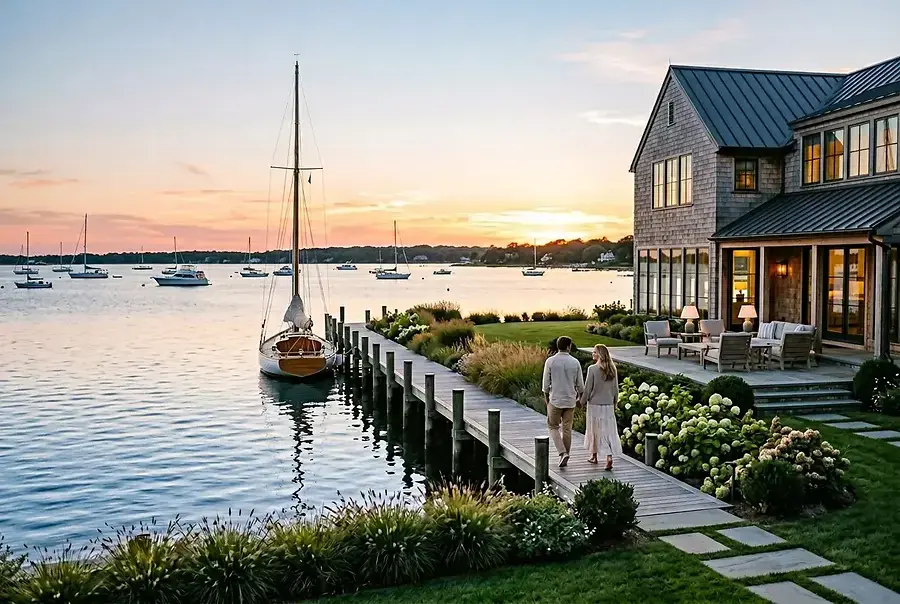
The Appeal of Long Island Waterfront and Coastal Living
Long Island's waterfront properties represent some of the most sought-after residential real estate in the Northeast. With 26 distinct coastal communities stretching across the island, buyers have unprecedented access to oceanfront, bay-front, and near-shore living experiences. The allure of waterfront homes extends far beyond aesthetic appeal—these properties offer a unique lifestyle that combines natural beauty, recreational opportunities, and strong investment potential.
The appeal of coastal living on Long Island is multifaceted. Residents enjoy direct access to beaches, boating, fishing, and water sports. The sound of waves, fresh ocean breezes, and stunning sunsets create an unparalleled quality of life. Beyond lifestyle benefits, waterfront properties have historically demonstrated resilience in real estate markets, often appreciating faster than inland properties during strong market conditions.
Understanding Waterfront Property Values, Maintenance, and Insurance Costs
Property Values and Investment Potential
Waterfront properties on Long Island command premium prices, typically ranging from 30% to 100% higher than comparable inland homes. This premium reflects the scarcity of waterfront land, the desirability of coastal living, and the long-term appreciation potential. Properties with direct water access, private docks, or beach frontage represent the highest value tier.
However, buyers should understand that waterfront property values can be more volatile than inland properties. While they appreciate quickly during strong markets, they may experience sharper declines during economic downturns. Location within specific communities, proximity to amenities, and property condition all significantly impact resale value.
Maintenance and Upkeep Considerations
Waterfront living requires a commitment to ongoing maintenance that inland homeowners may not face. Salt water, salt air, and constant exposure to the elements accelerate wear and tear on:
- Exterior structures: Docks, seawalls, bulkheads, and decks require regular inspection and repair
- Home materials: Metal fixtures, roofing, and siding corrode faster in coastal environments
- Landscaping: Salt spray affects vegetation; specialized plants are necessary
- Mechanical systems: HVAC and plumbing systems may require more frequent servicing
Budget-conscious buyers should anticipate annual maintenance costs of 1-2% of property value, with some years requiring significantly higher expenditures for major repairs. Seawall and dock maintenance can cost thousands of dollars annually.
Insurance and Risk Management
Waterfront properties face unique insurance challenges. Flood insurance is mandatory for properties in designated flood zones, adding $1,000-$5,000+ annually to homeowner costs. Standard homeowner's insurance may not adequately cover water-related damage, requiring specialized coastal or waterfront policies.
Additionally, properties in hurricane-prone areas face higher premiums and potential coverage limitations. Buyers should obtain a flood zone determination and flood insurance quote before making an offer. Climate considerations, including rising sea levels and increased storm intensity, should factor into long-term investment decisions.
Comparing Coastal Communities: From Port Jefferson to Eastport and Beyond
North Shore Communities
North Shore villages like Port Jefferson and Cold Spring Harbor offer charming waterfront settings with active harbors, upscale dining, and strong community character. These areas attract buyers seeking established neighborhoods with excellent schools and cultural amenities. Properties here command premium prices but offer strong appreciation potential and vibrant year-round communities.
South Shore Communities
South Shore areas including Freeport, Baldwin, and Merrick provide more accessible waterfront options with bay-front properties and beach community vibes. These neighborhoods often offer better value than North Shore equivalents while maintaining strong community infrastructure and recreational opportunities. Many feature active fishing villages and maritime heritage.
East End Communities
The East End, encompassing areas from Eastport to the Hamptons, represents the premium tier of Long Island waterfront living. These communities feature pristine beaches, exclusive neighborhoods, and world-class amenities. Properties command the highest prices but attract international buyers and offer exceptional lifestyle experiences. The East End market operates somewhat independently, with its own appreciation cycles and buyer demographics.
Key Comparison Factors
When evaluating coastal communities, consider:
- School districts: Quality varies significantly across communities
- Commute times: Distance to employment centers affects property values
- Community amenities: Marinas, beaches, restaurants, and cultural venues
- Property tax rates: Coastal communities often have higher taxes
- Flood zone designation: Affects insurance costs and future insurability
- Development trends: New construction and community growth patterns
Making Your Waterfront Home Investment Decision
Purchasing a waterfront home on Long Island is a significant financial and lifestyle decision. Successful buyers approach the process strategically:
Get pre-approved for specialized financing. Waterfront properties may require different lending criteria. Work with lenders experienced in coastal properties to understand your borrowing capacity and available loan products.
Conduct thorough inspections. Hire inspectors experienced with waterfront properties who understand salt-water damage, foundation issues, and marine structure integrity. Budget for specialized inspections of docks, seawalls, and bulkheads.
Research flood and insurance costs. Obtain flood zone determinations and insurance quotes before making offers. These costs significantly impact long-term affordability.
Evaluate long-term climate considerations. Research flood history, sea-level rise projections, and storm surge risks for specific properties. Consider how climate change may affect property values and insurability over your ownership period.
Work with experienced agents. Partner with real estate professionals who specialize in waterfront properties and understand local market dynamics, community characteristics, and regulatory requirements.
Long Island's waterfront communities offer exceptional living experiences and investment opportunities for buyers who understand both the benefits and responsibilities of coastal property ownership. By carefully evaluating property values, maintenance requirements, insurance costs, and community characteristics, buyers can make informed decisions that align with their lifestyle goals and financial objectives.
Whether you're drawn to the charming harbors of the North Shore, the accessible beaches of the South Shore, or the exclusive communities of the East End, Long Island's 26 coastal communities provide diverse options for waterfront living. The key to successful waterfront home ownership is approaching the purchase with realistic expectations, thorough due diligence, and professional guidance.