Long Island Home Inspection Essentials for Residential Buyers
Discover what professional inspectors look for and how to protect your investment in 26 thriving communities across Long Island.

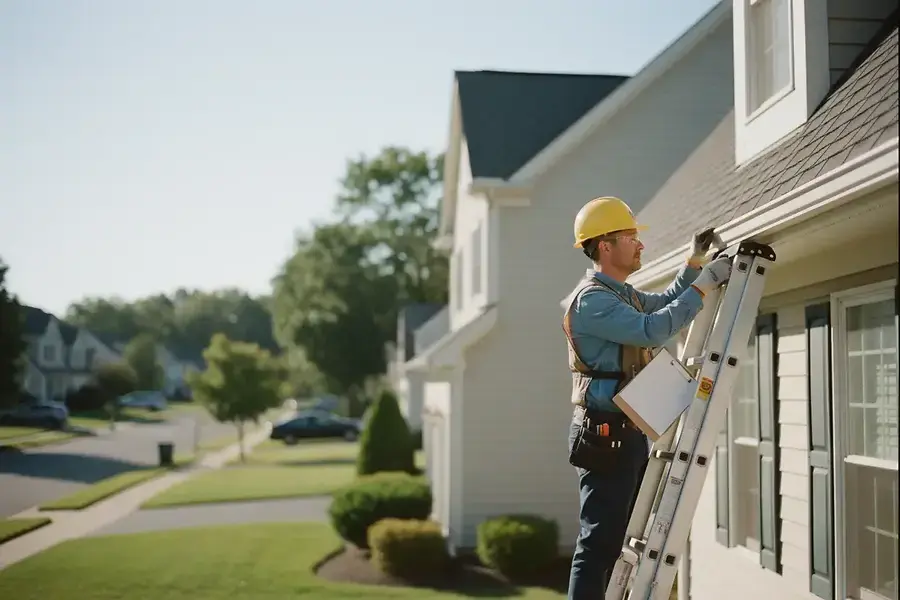
Introduction: Why Home Inspections Matter in Long Island's Competitive Market
Purchasing a home is one of the most significant financial decisions you'll make in your lifetime. On Long Island, where the real estate market remains highly competitive, a professional home inspection is not just a recommendation—it's an essential safeguard for your investment. Whether you're buying in Nassau County, Suffolk County, or any of the 26 thriving communities across the region, understanding what inspectors evaluate can help you avoid costly surprises and negotiate better terms.
A thorough home inspection provides you with detailed knowledge about your potential property's condition, from the foundation to the roof. This information empowers you to make informed decisions and protects you from inheriting expensive repairs that could have been identified before closing.
Key Areas Professional Inspectors Evaluate in Long Island Homes
Structural Components and Foundation
Professional inspectors begin by examining the home's structural integrity. They assess the foundation for cracks, settling, and water damage—issues that are particularly common in Long Island properties due to the region's soil composition and water table levels. Inspectors look for signs of foundation movement, which can indicate serious structural problems requiring immediate attention.
Roofing and Exterior Systems
The roof is your home's first line of defense against the elements. Inspectors evaluate:
- Shingle condition and remaining lifespan
- Flashing integrity around chimneys and vents
- Gutter systems and drainage
- Exterior siding, cladding, and paint condition
- Windows and door seals
Long Island's coastal climate and seasonal weather patterns make these elements especially critical to monitor.
Plumbing and Water Systems
Inspectors test all plumbing fixtures and examine pipes for corrosion, leaks, and proper drainage. They check water pressure, water heater condition, and septic systems if applicable. Many Long Island homes rely on well water or septic systems, which require specialized evaluation to ensure they function properly and meet local regulations.
Electrical Systems
A comprehensive electrical inspection includes:
- Panel capacity and condition
- Proper grounding and bonding
- Outlet and switch functionality
- Presence of outdated wiring (such as aluminum or knob-and-tube)
- GFCI protection in wet areas
Older Long Island homes may have electrical systems that don't meet current safety standards, which could require upgrades.
HVAC Systems
Heating, ventilation, and air conditioning systems are evaluated for age, efficiency, and proper operation. Inspectors assess whether systems are appropriately sized for the home and check for maintenance issues that could affect performance during Long Island's hot summers and cold winters.
Interior Conditions
Inspectors examine walls, ceilings, and floors for water damage, mold, and structural issues. They check insulation levels, attic ventilation, and look for signs of pest infestations. The presence of asbestos or lead paint in older homes is also documented, as these materials require special handling and disclosure.
Common Issues Found in Long Island Properties and How to Address Them
Water Intrusion and Moisture Problems
Water damage is one of the most frequently identified issues in Long Island homes. Basement moisture, foundation cracks, and roof leaks can lead to mold growth and structural deterioration. If discovered during inspection, you can request repairs, credits toward closing costs, or renegotiate the purchase price. Addressing moisture issues promptly prevents more expensive damage down the road.
Aging Roofs and Gutters
Many Long Island homes have roofs nearing the end of their lifespan. A roof replacement can cost $8,000 to $15,000 or more, making this a significant negotiation point. Inspectors provide estimates of remaining roof life, helping you plan for future maintenance or request seller concessions.
Outdated Electrical Systems
Homes built before the 1980s may have insufficient electrical capacity or outdated wiring. Upgrading electrical systems is essential for safety and to support modern appliances and technology. Use inspection findings to negotiate electrical upgrades or credits before purchase.
HVAC System Age and Efficiency
Heating and cooling systems typically last 15-20 years. If your inspection reveals an aging system, factor replacement costs into your offer or request that the seller replace it before closing. This is particularly important in Long Island's climate where both heating and cooling are essential.
Plumbing Issues
Corroded pipes, low water pressure, or failing septic systems are common findings. Galvanized pipes, in particular, deteriorate over time and may need replacement. Inspection reports provide documentation that supports your negotiation for repairs or credits.
Pest Infestations and Structural Damage
Termites and other pests can cause significant structural damage. If an inspection reveals pest activity, you can request professional treatment or structural repairs before closing. This protects your investment from hidden damage that could worsen over time.
Conclusion: Making Informed Decisions with Professional Inspection Insights
A professional home inspection is your opportunity to thoroughly understand the property you're purchasing before committing to the sale. In Long Island's competitive market, inspection findings give you leverage to negotiate repairs, request credits, or make an informed decision about whether to proceed with the purchase.
Don't skip this critical step in the home-buying process. Hire a qualified, licensed home inspector who understands Long Island's unique environmental and structural challenges. Use the inspection report as a tool to protect your investment and ensure you're making a sound financial decision.
Remember: the cost of a professional home inspection is a small investment compared to the potential savings from identifying problems before you close on your new Long Island home.