Long Island Residential Market Trends and Opportunities for 2026
Discover how neighborhood values, inventory levels, and buyer demand are shaping Long Island's hottest communities from Astoria to Shirley.

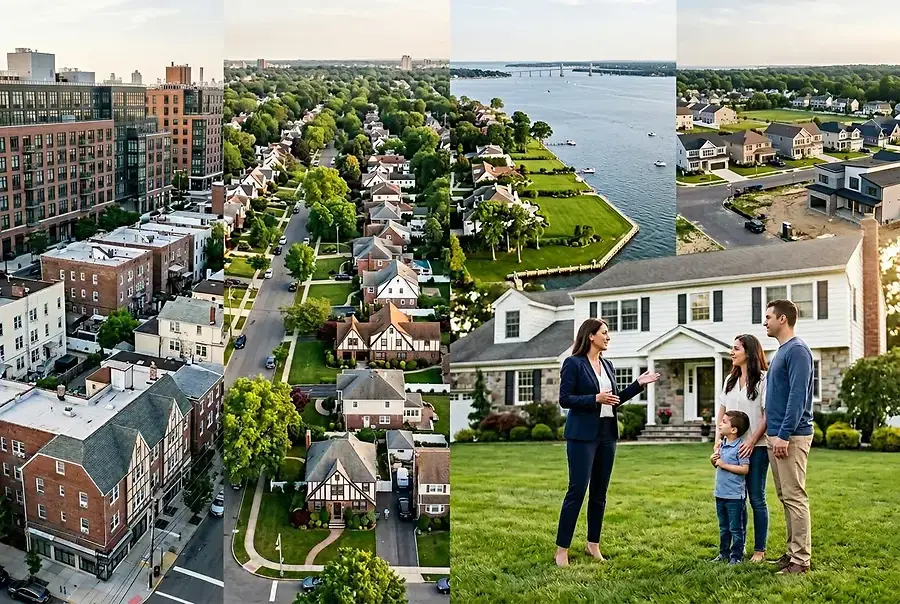
Understanding the Current Long Island Real Estate Landscape
Long Island's residential real estate market continues to demonstrate remarkable resilience and growth potential. The region, stretching from the vibrant neighborhoods of Astoria to the emerging communities of Shirley, presents a diverse array of opportunities for buyers, sellers, and investors alike. Understanding the current landscape is essential for anyone looking to navigate this dynamic market successfully.
The Long Island market has experienced significant shifts in recent years, driven by changing work patterns, demographic preferences, and economic factors. Homebuyers are increasingly seeking value, space, and community amenities, making Long Island an attractive alternative to more expensive urban centers. This trend has created unprecedented opportunities for real estate professionals who understand the nuances of local neighborhoods and market dynamics.
Key market indicators show:
- Steady appreciation in property values across most neighborhoods
- Increased buyer interest in suburban communities with strong schools and amenities
- Growing demand for homes with flexible workspaces and outdoor areas
- Competitive market conditions in premium neighborhoods
Neighborhood-by-Neighborhood Market Analysis and Value Drivers
Western Queens Communities: Astoria and Long Island City
Astoria remains one of Long Island's most vibrant neighborhoods, attracting young professionals and families seeking urban convenience with residential charm. The neighborhood's diverse dining scene, cultural institutions, and proximity to Manhattan make it highly desirable. Property values have appreciated steadily, with renovated apartments and townhouses commanding premium prices.
Long Island City has evolved into a modern hub with waterfront development and contemporary residential towers. The neighborhood appeals to professionals seeking luxury amenities and stunning skyline views. Investment opportunities exist in both new construction and value-add properties.
Central Queens: Forest Hills and Kew Gardens
Forest Hills represents the quintessential suburban community with tree-lined streets, spacious homes, and excellent schools. The neighborhood attracts families seeking stability and strong community values. Single-family homes in Forest Hills command competitive prices, reflecting the neighborhood's enduring appeal.
Kew Gardens offers similar benefits with a slightly more affordable entry point. The neighborhood's diverse population, excellent transportation access, and quality schools make it an attractive investment destination for first-time homebuyers and growing families.
Eastern Queens and Nassau County: Bayside to Shirley
Bayside combines suburban tranquility with convenient access to Manhattan. The neighborhood's waterfront properties, excellent schools, and family-friendly atmosphere drive consistent demand. Properties here appeal to established families and empty nesters seeking space and community.
Moving eastward, communities like Great Neck, Manhasset, and Port Washington offer luxury properties and exclusive neighborhoods. These areas attract high-net-worth buyers seeking premium real estate with exceptional schools and amenities.
Emerging communities like Shirley represent the frontier of Long Island's residential market. These areas offer significant value opportunities for investors and buyers seeking affordability without sacrificing quality of life. Infrastructure improvements and development initiatives are driving appreciation in these neighborhoods.
Inventory, Pricing Strategies, and Investment Opportunities
Current Inventory Dynamics
Long Island's inventory levels remain relatively tight in premium neighborhoods, creating seller-favorable conditions. However, emerging communities offer more abundant inventory and greater negotiating flexibility for buyers. Understanding local inventory trends is crucial for developing effective pricing strategies.
Inventory characteristics by market segment:
- Premium neighborhoods: Limited inventory, strong buyer competition, stable appreciation
- Mid-range communities: Moderate inventory, balanced market conditions, steady value growth
- Emerging areas: Higher inventory, buyer-favorable conditions, significant appreciation potential
Strategic Pricing Approaches
Successful pricing strategies must account for neighborhood-specific factors, property condition, and current market dynamics. In competitive neighborhoods, pricing at market value or slightly below can generate multiple offers and maximize final sale price. In buyer-favorable markets, pricing strategies should emphasize value and long-term investment potential.
Effective pricing considerations include:
- Comparable sales analysis within specific neighborhoods
- Property condition and renovation requirements
- Proximity to schools, transportation, and amenities
- Market absorption rates and days on market
- Seasonal demand patterns and buyer preferences
Investment Opportunities and Value Drivers
Long Island presents multiple investment opportunities across different market segments. Value-add properties in emerging neighborhoods offer significant appreciation potential. Rental properties in transit-accessible communities generate strong cash flow and long-term wealth building.
New construction developments in growing areas like Shirley and surrounding communities offer turnkey investment opportunities. These properties appeal to investors seeking modern amenities, energy efficiency, and minimal maintenance requirements.
The most successful investors focus on neighborhoods with strong fundamentals: quality schools, transportation access, community development, and demographic growth. These factors drive long-term appreciation and tenant demand.
Positioning Yourself as a Local Expert in Long Island Residential Sales
Becoming a trusted expert in Long Island's residential market requires deep knowledge of neighborhood dynamics, market trends, and investment opportunities. Successful agents develop specialized expertise in specific neighborhoods or market segments, allowing them to provide superior guidance to clients.
Building your expertise involves:
- Conducting regular neighborhood market analysis and trend research
- Developing relationships with local community leaders and business owners
- Understanding school district performance and educational opportunities
- Tracking infrastructure improvements and development initiatives
- Analyzing demographic trends and population shifts
- Staying current with economic factors affecting property values
Sharing your knowledge through market reports, neighborhood guides, and educational content establishes credibility and attracts clients seeking expert guidance. Demonstrating understanding of specific neighborhoods—from Astoria's cultural vibrancy to Shirley's emerging potential—positions you as a trusted advisor.
Long Island's residential market offers exceptional opportunities for those who understand its complexity and diversity. By developing deep neighborhood expertise, analyzing market trends, and providing strategic guidance, you can build a thriving practice while helping clients achieve their real estate goals. The market's continued growth and evolution ensure that local expertise remains invaluable for years to come.