Lowcountry Home Values: Understanding Real Estate Trends Across Charleston's Suburbs
Discover how neighborhood location, amenities, and market dynamics shape property values throughout the Charleston metro area.

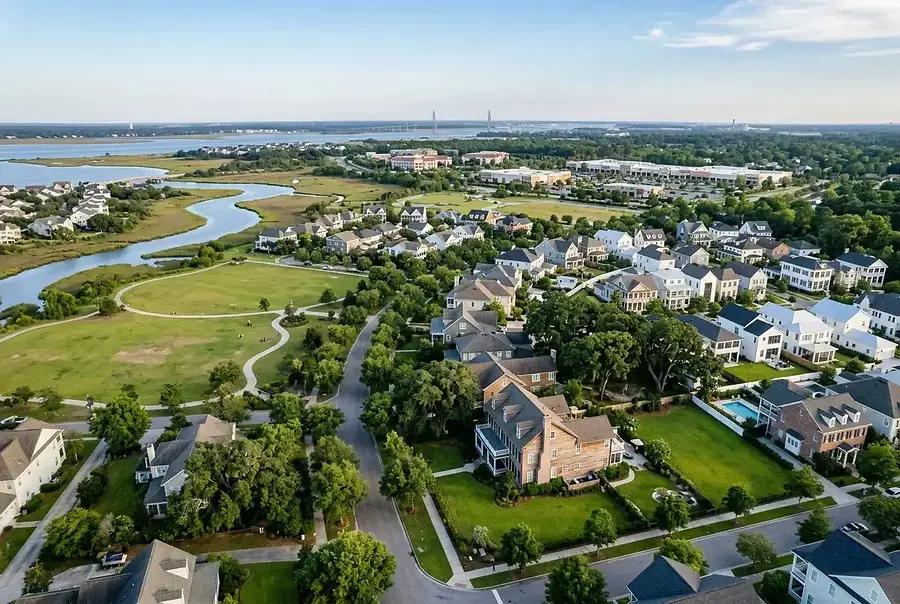
The Lowcountry Real Estate Landscape
The Charleston metropolitan area has experienced remarkable growth over the past several years, transforming the Lowcountry into one of the Southeast's most sought-after real estate markets. From historic downtown neighborhoods to emerging suburban communities, the region offers diverse options for homebuyers and investors alike. Understanding the nuances of this dynamic market is essential for anyone considering a property purchase in the area.
The Lowcountry's appeal extends far beyond its charming architecture and coastal beauty. The region boasts a thriving job market, excellent schools, and a lifestyle that attracts families, professionals, and retirees. However, with increased demand comes rising property values, making it crucial for potential buyers to understand what drives prices and where to find the best opportunities.
Neighborhood Comparison: Which Areas Offer the Best Value?
Established Suburban Communities
Areas like Mount Pleasant and Summerville have long been considered premier residential destinations. These neighborhoods feature mature landscaping, established infrastructure, and strong community amenities. While property values in these areas remain relatively high, they offer stability and proven appreciation potential. Homes in these communities typically range from mid-range to luxury properties, catering to various buyer preferences.
Emerging Growth Areas
Newer developments in areas such as Goose Creek, Moncks Corner, and Ladson are attracting buyers seeking more affordable entry points into the Charleston market. These communities offer:
- Lower median home prices compared to established suburbs
- Modern construction and updated amenities
- Growing commercial development and job opportunities
- Shorter commute times to downtown Charleston
- Family-friendly environments with new schools and parks
Waterfront and Lifestyle Communities
Properties with water access or proximity to recreational amenities command premium prices. Neighborhoods along the Ashley River, Cooper River, and coastal areas offer unique lifestyle benefits that justify higher valuations. These areas appeal to buyers prioritizing scenic views, boating access, and outdoor recreation.
Key Factors Driving Home Prices in Charleston's Suburbs
Location and Accessibility
Proximity to employment centers remains one of the most significant price drivers. Properties within reasonable commuting distance to downtown Charleston, major employers, and business districts command higher values. Additionally, access to major highways and transportation corridors influences desirability and pricing.
School Quality and Family Amenities
The quality of local schools directly impacts property values, particularly in family-oriented neighborhoods. Communities with highly-rated schools, parks, recreational facilities, and youth programs attract premium pricing. Parents are willing to invest more in areas that support their children's education and development.
Infrastructure and Development
The presence of modern infrastructure—including utilities, broadband connectivity, and well-maintained roads—supports higher property values. Communities experiencing planned development with new retail centers, restaurants, and entertainment venues often see accelerated appreciation. Infrastructure improvements signal confidence in a neighborhood's future growth.
Market Supply and Demand Dynamics
Like any real estate market, supply and demand fundamentally shape prices. Areas with limited inventory and high buyer interest experience rapid appreciation. Conversely, neighborhoods with abundant available properties may offer better negotiating opportunities for buyers. Understanding current market conditions in your target area is essential for making strategic decisions.
Property Characteristics
Individual property features significantly influence value:
- Lot size and land value
- Home age and condition
- Square footage and layout
- Outdoor features (pools, patios, landscaping)
- Energy efficiency and modern updates
- Unique architectural or historical significance
Economic Factors and Market Trends
Broader economic conditions affect the real estate market significantly. Interest rates, employment trends, and regional economic growth influence buyer purchasing power and investment decisions. The Lowcountry's diverse economy—spanning healthcare, tourism, technology, and manufacturing—provides stability and supports sustained property value growth.
Additionally, the region's reputation as a desirable destination for remote workers has expanded the buyer pool beyond traditional local markets. This expanded demand has contributed to appreciation across multiple neighborhoods.
Making an Informed Investment in Your Future
Investing in Lowcountry real estate requires careful consideration of your personal goals, financial situation, and market conditions.
Whether you're seeking a primary residence, vacation property, or investment opportunity, understanding the factors that drive value ensures you make decisions aligned with your objectives.
Consider working with local real estate professionals who understand neighborhood-specific trends and can provide insights into emerging opportunities. Research school ratings, employment centers, and planned development projects in areas you're considering. Evaluate your long-term plans—are you looking for immediate appreciation, stable long-term growth, or lifestyle benefits?
The Charleston suburbs offer something for every buyer profile. From established communities with proven track records to emerging areas with growth potential, the Lowcountry real estate market continues to evolve. By understanding the key factors driving prices and comparing neighborhoods thoughtfully, you can identify opportunities that align with your vision for the future.
The Lowcountry's combination of natural beauty, economic vitality, and quality of life makes it an attractive investment destination. Whether you're a first-time homebuyer, growing family, or seasoned investor, the region's diverse neighborhoods provide pathways to achieving your real estate goals.


