Lynnfield Home Inspection Essentials: What Every Buyer Should Know
Protect your investment by understanding the critical inspection points that matter most in Lynnfield properties.

Why Home Inspections Are Your First Line of Defense
Purchasing a home is one of the most significant financial decisions you'll make in your lifetime. In Lynnfield, where properties range from historic colonial homes to modern suburban residences, a thorough home inspection is your most valuable tool for protecting that investment. A professional home inspection provides an objective assessment of a property's condition, identifying potential issues before you commit to the purchase.
Many buyers underestimate the importance of this critical step, viewing it as just another checkbox in the buying process. However, a comprehensive inspection can reveal hidden problems that might cost thousands to repair—or even be deal-breakers. By understanding what inspectors look for and what matters most in Lynnfield homes, you'll be equipped to make informed decisions and negotiate effectively.
Key Inspection Areas in Lynnfield Homes: Foundation, Systems, and Seasonal Concerns
Foundation and Structural Integrity
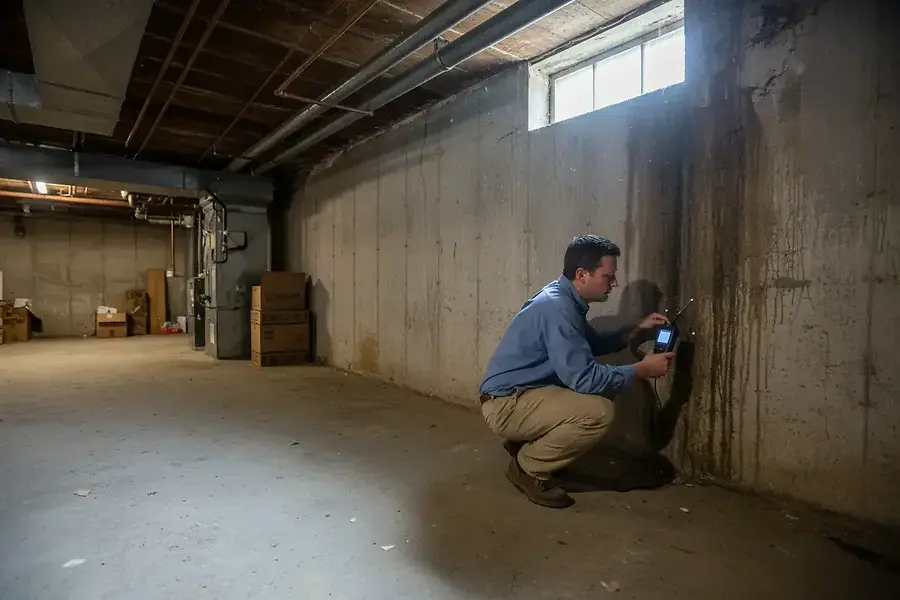
Lynnfield's varied terrain and soil composition make foundation assessment particularly important. Inspectors will examine the foundation for cracks, settling, and water damage—common issues in the region due to seasonal freeze-thaw cycles. Look for:
- Horizontal or stair-step cracks in the foundation, which may indicate structural movement
- Water stains or efflorescence (white mineral deposits) suggesting moisture intrusion
- Basement or crawl space flooding signs, especially critical in Lynnfield's climate
- Proper grading around the foundation to ensure water drains away from the structure
Roof and Exterior Systems
New England weather is tough on roofs. Inspectors will assess shingle condition, flashing integrity, and gutter systems. In Lynnfield, pay special attention to:
- Roof age and remaining lifespan—most asphalt shingles last 15-20 years
- Ice dam prevention measures and proper attic ventilation
- Chimney condition and proper flashing, especially important for older homes
- Siding and trim for rot, particularly around windows and doors
Heating and Cooling Systems
Given Lynnfield's cold winters and warm summers, HVAC systems are critical. Inspectors will evaluate:
- Furnace age and efficiency—older systems may need replacement soon
- Air conditioning functionality and refrigerant levels
- Ductwork condition and proper insulation
- Thermostat operation and system controls
Plumbing and Water Systems
Water-related issues are among the most expensive to repair. Inspectors will check:
- Pipe materials and condition—older homes may have outdated galvanized or polybutylene pipes
- Water pressure and flow throughout the home
- Septic system functionality if applicable in your Lynnfield location
- Water heater age and condition
Electrical Systems
Safety is paramount with electrical systems. Inspectors will examine:
- Panel capacity and condition—outdated panels may need upgrading
- Proper grounding and bonding
- GFCI outlets in bathrooms, kitchens, and outdoor areas
- Outdated wiring that may pose fire hazards
Red Flags and Deal-Breakers: What to Watch For During Your Inspection
Structural and Foundation Concerns
Major foundation cracks, significant settling, or evidence of previous water damage can indicate serious structural problems. These issues are expensive and complex to repair, potentially costing $10,000 to $50,000 or more.
Roof Problems
A roof nearing the end of its lifespan or showing signs of damage is a significant concern. Roof replacement costs $8,000 to $15,000+, making this a major negotiation point. Watch for missing shingles, sagging, or widespread deterioration.
Outdated or Hazardous Systems
Homes with knob-and-tube wiring, asbestos insulation, or lead paint present health and safety risks. While these can sometimes be remediated, they require professional assessment and may affect insurance and resale value.
Mold and Water Damage
Extensive mold growth or evidence of chronic water intrusion is a serious red flag. Mold remediation can be costly and complex, and may indicate underlying structural or drainage problems that need addressing.
HVAC System Failure
A furnace or air conditioning system that's failing or near the end of its life is a substantial expense. New HVAC systems cost $5,000 to $10,000, making this an important negotiation item.
Plumbing Issues
Watch for signs of outdated piping, low water pressure, or evidence of previous leaks. Replacing plumbing systems can cost $10,000 to $25,000+ depending on the extent of the work needed.
Making Informed Decisions with Professional Guidance
A professional home inspector brings expertise and objectivity to the process. When reviewing your inspection report, don't just focus on the negatives—understand the context. Some issues are cosmetic and easily fixed, while others indicate deeper problems.
Use the inspection report as a negotiation tool. If significant issues are discovered, you have several options: request repairs be completed before closing, ask for a credit toward repairs you'll handle yourself, or renegotiate the purchase price. In some cases, serious issues may warrant walking away from the deal entirely.
Remember that no home is perfect. The goal of a home inspection isn't to find reasons to back out—it's to understand what you're buying and make an informed decision. By knowing what to look for and understanding Lynnfield's specific environmental and structural considerations, you'll be better equipped to protect your investment and move forward with confidence in your purchase.
Work closely with your real estate agent and inspector to understand the findings, and don't hesitate to ask questions. Your future in your Lynnfield home depends on the decisions you make today.


