Managing Property Taxes in Iowa City: A Homeowner's Complete Guide
Learn how property taxes impact your bottom line and discover strategies to manage costs effectively as a homeowner.

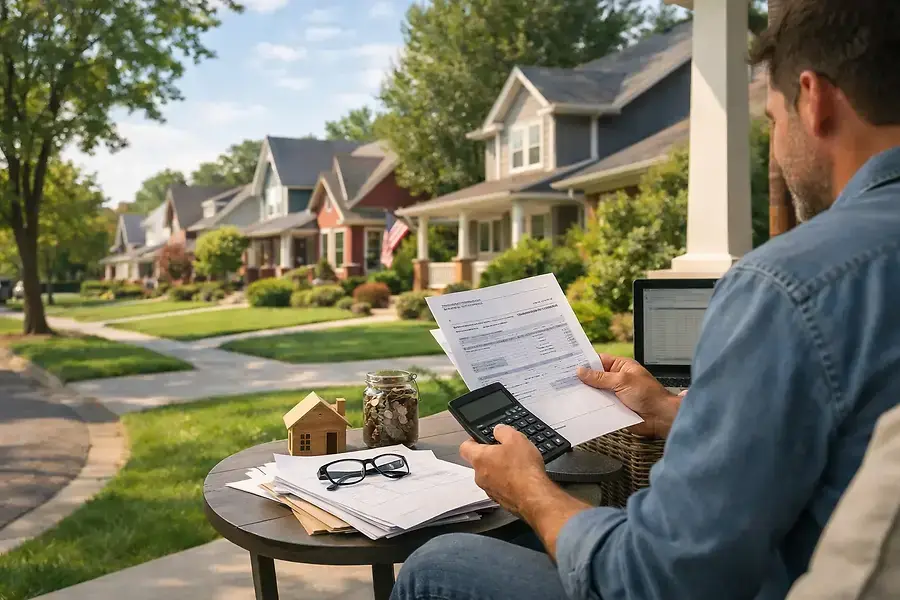
Why Property Taxes Matter for Iowa City Homeowners
Property taxes represent one of the largest ongoing expenses for homeowners in Iowa City. Unlike mortgage payments that eventually end, property taxes continue for as long as you own your home. Understanding how these taxes work and knowing your options can save you thousands of dollars over your homeownership journey.
For many Iowa City residents, property taxes fund essential services including public schools, infrastructure maintenance, emergency services, and community development. While these services are vital to our community, it's equally important to ensure you're not paying more than your fair share. This guide will walk you through the assessment process and provide actionable strategies to manage your tax burden effectively.
How Iowa City Property Tax Assessments Work
Understanding the Assessment Process
Iowa City property taxes are calculated based on the assessed value of your home, which is determined by the Johnson County Assessor's office. The assessment process typically involves:
- Physical inspection: Assessors evaluate your home's size, condition, age, and features
- Market analysis: Recent comparable sales in your neighborhood are reviewed
- Data compilation: Information is compiled into a property record card
- Assessment notice: You receive notification of your home's assessed value
The assessed value is then multiplied by the tax rate (also called the millage rate) to determine your annual property tax bill. In Iowa, the state uses a classification system where residential properties typically have a lower assessment percentage than commercial properties.
Key Factors Affecting Your Assessment
Several factors influence how your property is assessed:
- Square footage and lot size
- Age and condition of the structure
- Number of bedrooms and bathrooms
- Recent renovations or improvements
- Comparable sales in your area
- Location and neighborhood desirability
Pro tip: Keep detailed records of any home improvements or repairs, as these can impact your assessment.
Strategies to Appeal or Reduce Your Property Tax Burden
Review Your Assessment Notice Carefully
When you receive your assessment notice, don't simply file it away. Carefully review all details including:
- Property description accuracy (square footage, number of rooms)
- Condition rating of your home
- Any recent sales data used for comparison
- Special assessments or exemptions
Errors in these details are surprisingly common and can lead to inflated assessments. If you notice inaccuracies, document them immediately.
File a Formal Appeal
If you believe your assessment is unfair, Iowa law allows you to file an appeal. The process typically includes:
- Informal review: Meet with the assessor to discuss your concerns
- Formal appeal: If unresolved, file with the Board of Review
- District court appeal: Final recourse if previous steps don't resolve the issue
Most appeals are resolved at the informal review stage. Come prepared with comparable sales data, professional appraisals, or documentation of property defects that may justify a lower assessment.
Explore Tax Exemptions and Credits
Iowa offers several exemptions and credits that homeowners may qualify for:
- Homestead property tax credit: Provides relief for qualifying homeowners based on income
- Disabled person exemption: Available for homeowners with disabilities
- Veteran exemptions: Certain veterans may qualify for property tax relief
- Agricultural exemptions: If applicable to your property
Contact the Johnson County Assessor's office to determine which exemptions you may qualify for. These credits can significantly reduce your tax burden.
Consider Home Improvements Strategically
While home improvements increase your home's value, they also increase your assessed value. Plan major renovations carefully and consider timing them strategically. Some improvements may not justify their cost in terms of assessment increases.
Monitor Market Trends
Stay informed about property values in your neighborhood. If your home's assessed value seems disproportionately high compared to recent sales of similar properties, you have grounds for an appeal. Document comparable sales from the past year to support your case.
Taking Control of Your Property Tax Future
Managing property taxes requires proactive engagement. Here are final steps to take control:
- Review annually: Check your assessment notice each year for changes or errors
- Stay informed: Attend city council meetings and stay updated on tax rate changes
- Seek professional help: Consider consulting a property tax professional for significant disputes
- Budget accordingly: Factor property taxes into your long-term homeownership budget
- Know your rights: Familiarize yourself with Iowa's property tax laws and appeal procedures
Property taxes are a significant investment in your community and your home's future. By understanding how they're calculated and knowing your options, you can ensure you're paying a fair share while protecting your financial interests.
As an Iowa City homeowner, you have the power to influence your property tax burden. Whether through appeals, exemptions, or strategic planning, taking action today can result in meaningful savings tomorrow. Don't hesitate to reach out to the Johnson County Assessor's office with questions—they're there to help ensure fair and accurate assessments for all property owners.


