Manhattan Residential Property Values: A Complete Neighborhood Price Guide
Understand how residential property values vary across ten key Manhattan neighborhoods to make an informed investment decision.

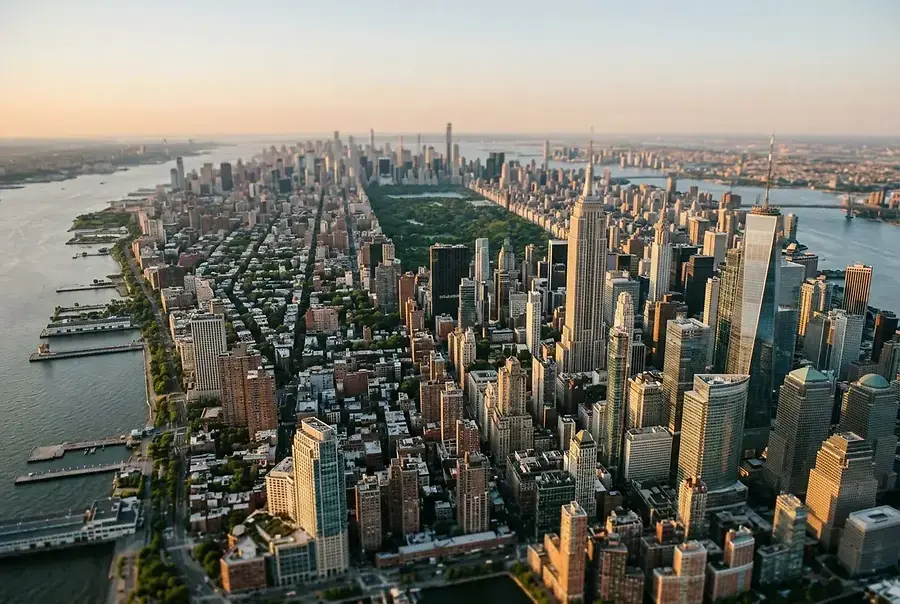
Introduction: Why Manhattan Neighborhood Selection Impacts Your Investment
Investing in Manhattan residential property is one of the most significant financial decisions you'll make. However, the Manhattan real estate market is far from monolithic. The neighborhood you choose can dramatically impact your investment returns, lifestyle quality, and long-term wealth building. Understanding the nuances of each district's pricing structure is essential before committing your capital.
Manhattan's neighborhoods each possess distinct characteristics that influence property values. From the bustling energy of Downtown to the tree-lined streets of the Upper West Side, each area offers different amenities, demographics, and investment potential. This guide will help you navigate these differences and identify which neighborhoods align with your budget and investment goals.
Price Analysis: Comparing Residential Markets from Downtown to the Upper West Side
Market Overview and Pricing Trends
Manhattan's residential market continues to show resilience and growth across most neighborhoods. Current market conditions reveal significant price variations based on location, with some areas commanding premium prices while others offer better value propositions. The median price per square foot ranges dramatically across the borough, reflecting differences in demand, infrastructure, and neighborhood prestige.
Key factors influencing prices include:
- Proximity to major transportation hubs and subway lines
- Neighborhood amenities such as parks, restaurants, and cultural institutions
- School district quality and family-friendly infrastructure
- Commercial development and job center proximity
- Historical significance and architectural character
Downtown vs. Uptown: The Price Divide
Downtown Manhattan neighborhoods, including Lower East Side, Tribeca, and SoHo, have historically commanded premium prices due to their proximity to financial centers and vibrant cultural scenes. However, uptown neighborhoods like the Upper West Side and Upper East Side offer more spacious apartments at competitive price points, making them increasingly attractive to families and long-term investors.
Neighborhood-by-Neighborhood Breakdown: What Your Budget Gets You in Each District
Lower East Side
The Lower East Side remains one of Manhattan's most dynamic neighborhoods. With median prices ranging from $800,000 to $1.2 million for a one-bedroom apartment, this area attracts young professionals and investors seeking urban energy. The neighborhood's diverse dining scene, vibrant nightlife, and cultural institutions justify the premium pricing.
Tribeca
Tribeca represents the luxury end of Manhattan's residential market. Expect to pay $1.5 million to $3 million for a one-bedroom apartment in this prestigious neighborhood. The area's cobblestone streets, converted loft buildings, and proximity to the Hudson River waterfront command top-tier prices. This is ideal for investors seeking trophy properties and maximum appreciation potential.
SoHo
SoHo offers a middle ground between Downtown's most expensive neighborhoods and more affordable areas. One-bedroom apartments typically range from $1.1 million to $1.8 million. The neighborhood's iconic cast-iron architecture, high-end shopping, and artistic heritage make it attractive to affluent buyers seeking character and prestige.
East Village
The East Village provides better value than its downtown counterparts while maintaining urban appeal. One-bedroom apartments range from $650,000 to $1 million, making this neighborhood attractive for budget-conscious investors. The area's bohemian character, excellent restaurants, and vibrant nightlife appeal to younger demographics and creative professionals.
Murray Hill
Murray Hill offers solid value for investors seeking midtown convenience. One-bedroom apartments typically cost between $550,000 and $900,000. This neighborhood attracts young professionals working in Midtown offices and those seeking proximity to Grand Central Terminal. The area continues to see steady appreciation as infrastructure improves.
Upper East Side
The Upper East Side remains Manhattan's most family-friendly neighborhood with excellent schools and spacious apartments. One-bedroom apartments range from $700,000 to $1.3 million, while two-bedroom units command $1.2 million to $2 million. The neighborhood's tree-lined streets, cultural institutions like the Metropolitan Museum of Art, and established residential character make it ideal for long-term family investments.
Upper West Side
The Upper West Side offers exceptional value compared to the Upper East Side while maintaining similar amenities. One-bedroom apartments typically range from $650,000 to $1.1 million. The neighborhood's proximity to Central Park, excellent schools, and cultural attractions like Lincoln Center make it increasingly popular with families and investors seeking appreciation potential.
Harlem
Harlem represents one of Manhattan's most exciting emerging neighborhoods. One-bedroom apartments range from $400,000 to $700,000, offering significant value compared to downtown areas. The neighborhood's rich cultural heritage, improving infrastructure, and strong community development initiatives make it attractive for value-conscious investors anticipating future appreciation.
Washington Heights
Washington Heights offers the most affordable entry point into Manhattan residential real estate. One-bedroom apartments typically cost between $300,000 and $550,000. While further from Midtown, the neighborhood's improving subway connections, Dominican cultural heritage, and family-friendly atmosphere appeal to budget-conscious buyers and investors seeking long-term growth potential.
Inwood
Inwood, Manhattan's northernmost neighborhood, provides exceptional value with one-bedroom apartments ranging from $280,000 to $480,000. The neighborhood's waterfront access, parks, and improving commercial development make it an emerging opportunity for forward-thinking investors. As infrastructure continues to improve, appreciation potential remains significant.
Conclusion: Choosing Your Manhattan Neighborhood Based on Value and Lifestyle
Selecting the right Manhattan neighborhood requires balancing multiple factors: your budget, investment timeline, lifestyle preferences, and appreciation expectations. There is no universally "best" neighborhood—only the best choice for your specific circumstances.
If you prioritize prestige and maximum amenities, Downtown neighborhoods like Tribeca and SoHo offer unparalleled status and cultural access, though at premium prices. For families seeking excellent schools and spacious living, the Upper East and Upper West Sides provide established value. For investors with longer time horizons and smaller budgets, emerging neighborhoods like Harlem, Washington Heights, and Inwood offer compelling appreciation potential.
Remember: successful Manhattan real estate investment combines thorough market analysis with personal lifestyle alignment. Take time to visit neighborhoods, speak with local real estate professionals, and consider your long-term goals before making this significant investment decision.
Manhattan's residential market continues to evolve, with opportunities available across multiple price points and neighborhoods. By understanding these market dynamics and neighborhood characteristics, you can make an informed decision that builds wealth while enhancing your quality of life in the world's most dynamic city.