Maplewood Home Selling: Pricing Strategies for Maximum Profit
Learn proven pricing tactics that help Maplewood homeowners attract serious buyers and close deals faster.

Understanding the Maplewood Real Estate Market: Current Trends and Competition
The Maplewood real estate market is experiencing dynamic shifts that directly impact how homeowners should approach selling their properties. Before setting a price, it's crucial to understand the current landscape of your neighborhood.
Maplewood has seen steady appreciation in home values over recent years, with particular strength in well-maintained properties and homes featuring modern amenities. The market is characterized by moderate competition, with an average of 15-20 homes listed at any given time. This means pricing strategically is more important than ever—homes that are priced too high sit longer on the market, while underpriced homes leave money on the table.
Key Market Indicators
- Average days on market: 28-35 days for competitively priced homes
- Buyer demographics: Mix of young families, downsizers, and investors
- Seasonal trends: Spring and early summer see the highest buyer activity
- Price appreciation: Homes in Maplewood have appreciated 4-6% annually
Understanding these trends helps you position your home strategically. Buyers in Maplewood are looking for value, quality, and homes that require minimal immediate repairs.
Pricing Your Home Right: Data-Driven Strategies for Your Neighborhood
The foundation of a successful home sale is accurate pricing. This requires more than guesswork—it demands data-driven analysis of comparable properties in your area.
Comparative Market Analysis (CMA)
A thorough CMA examines recently sold homes in Maplewood with similar characteristics to yours. Look at homes sold within the last 90 days that share your home's:
- Square footage (within 10% variance)
- Number of bedrooms and bathrooms
- Age and condition of the property
- Lot size and location within Maplewood
This analysis reveals your home's true market value. Homes priced within 5% of comparable sales typically sell faster and for closer to asking price.
Strategic Pricing Tactics
The 5% Rule: Price your home at 95-98% of comparable sales prices. This creates perceived value for buyers while remaining competitive. A home priced at $449,900 instead of $475,000 attracts significantly more buyer interest.
Psychological Pricing: Use price points that end in 9 or 5. Buyers perceive $389,900 as substantially less expensive than $395,000, even though the difference is minimal. This psychological trigger can increase showings and offers.
Seasonal Adjustments: During slower seasons, consider pricing 2-3% below peak season comparables. During peak buying season, you can price more aggressively.
"Pricing is not about what you think your home is worth—it's about what buyers are willing to pay in today's market."
Avoiding Common Pricing Mistakes
- Overpricing based on emotional attachment: Your home's sentimental value doesn't affect market value
- Ignoring recent market changes: Update your analysis monthly as new comparable sales emerge
- Pricing based on renovation costs: Buyers won't pay dollar-for-dollar for improvements
- Setting prices in round numbers: $400,000 feels more expensive than $399,900
Preparing Your Home for Sale: Improvements That Increase Buyer Appeal
Even with perfect pricing, a home that doesn't show well won't attract serious offers. Strategic improvements can significantly boost your home's appeal and justify your asking price.
High-Impact, Cost-Effective Improvements
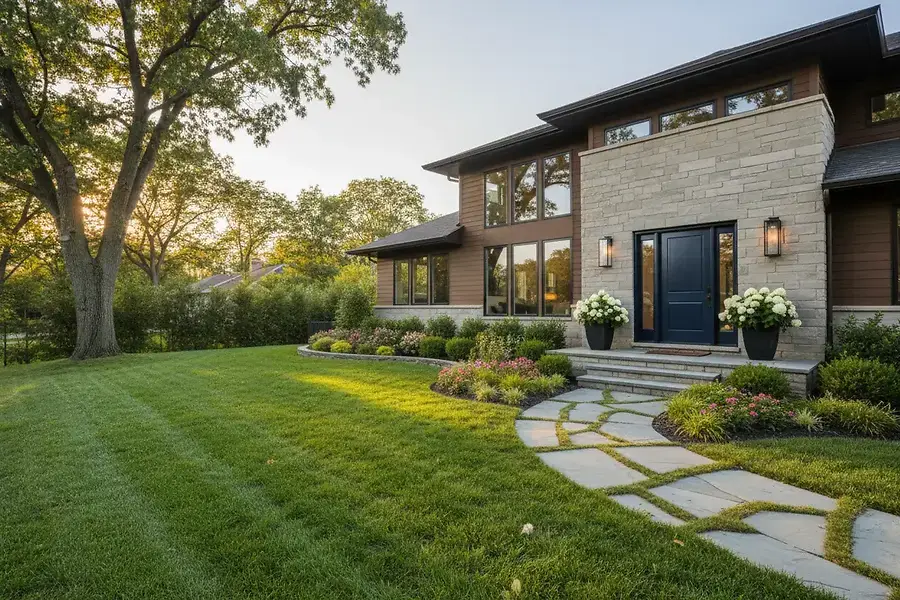
Curb Appeal: First impressions matter. Fresh landscaping, a clean driveway, updated house numbers, and a welcoming entrance can increase perceived value by 5-10%. Paint the front door, trim hedges, and add seasonal plants.
Interior Staging: Declutter and depersonalize your home. Remove family photos, excess furniture, and personal collections. Buyers need to envision themselves living in the space, not see your life on display.
Deep Cleaning: A spotless home signals proper maintenance. Professional cleaning of carpets, windows, and hard-to-reach areas is worth the investment.
Strategic Repairs and Updates
- Fix all visible defects: leaky faucets, cracked tiles, broken fixtures
- Update lighting fixtures in key areas like kitchens and bathrooms
- Refresh paint in neutral colors throughout
- Ensure HVAC systems are functioning optimally
- Address any obvious structural or safety concerns
Focus on improvements that provide the best return on investment. Kitchen and bathroom updates typically return 60-80% of their cost, while major renovations may not be necessary before selling.
Virtual and In-Person Presentation
In today's market, most buyers start their search online. Professional photography and virtual tours are essential. Ensure your listing includes:
- High-quality photos taken in natural light
- Virtual 3D tour or video walkthrough
- Detailed, accurate property descriptions
- Highlighted key features and recent improvements
Closing the Deal: Negotiation Tips and Next Steps
Once you've attracted serious buyers, the negotiation phase begins. Smart negotiation can mean the difference between a good sale and a great one.
Understanding Buyer Offers
When offers arrive, evaluate them beyond just the price. Consider:
- Contingencies: Inspection, appraisal, and financing contingencies affect your certainty of closing
- Closing timeline: Faster closings may warrant accepting slightly lower offers
- Earnest money: Larger deposits indicate serious, committed buyers
- Requested repairs: Buyers may ask you to cover inspection-related fixes
Negotiation Strategies
Don't accept the first offer immediately. Even if it meets your asking price, wait a few days. Other offers often follow, and you may receive multiple bids that drive up the final price.
Counter strategically. If an offer is below asking price, counter at 90-95% of your asking price rather than accepting their number. This maintains negotiating power.
Be flexible on terms. If a buyer offers full price but needs a 60-day closing, that may be worth more than a lower offer with a quick close.
Final Steps to Closing
Once you've accepted an offer, the process moves quickly. Stay organized by:
- Responding promptly to inspection requests and appraisal scheduling
- Gathering all required documentation for the title company
- Coordinating with your real estate agent on closing details
- Preparing for the final walkthrough inspection
- Arranging your move and utility disconnections
Selling your Maplewood home successfully requires a combination of smart pricing, strategic preparation, and effective negotiation. By understanding your market, pricing competitively, presenting your home appealingly, and negotiating wisely, you'll maximize your profit and close your deal faster. Work with a knowledgeable local real estate agent who understands Maplewood's unique market dynamics, and you'll be well-positioned for a successful sale.