Marietta Home Inspection Guide: Protecting Your Real Estate Investment
Discover the critical inspection points that protect your investment and reveal hidden issues before closing day.

Understanding the Home Inspection Process in Marietta
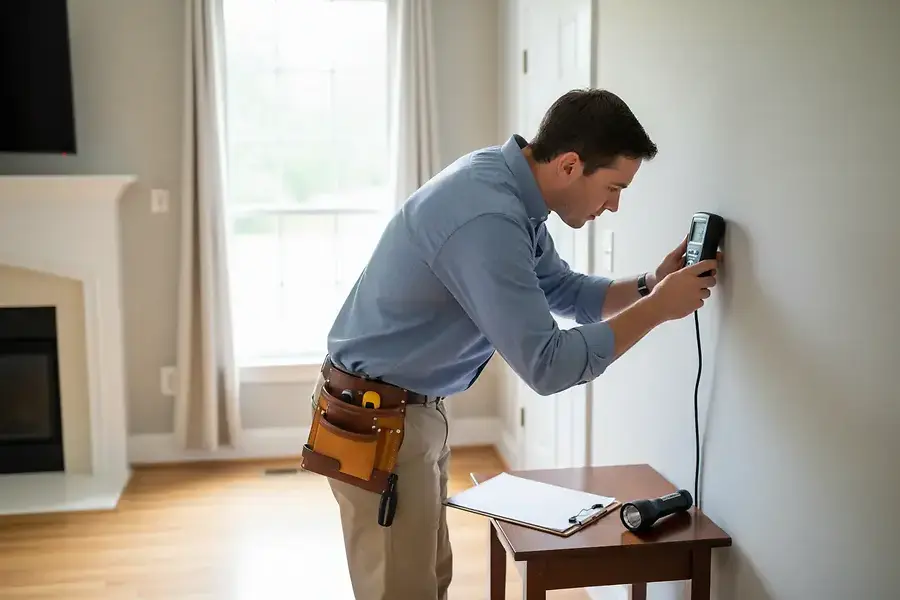
A home inspection is one of the most critical steps in the real estate buying process. In Marietta, professional inspectors conduct thorough evaluations of properties to identify structural issues, safety concerns, and maintenance needs. This comprehensive assessment typically takes 2-4 hours and covers all major systems and components of the home.
The inspection process begins with a visual examination of the property's exterior, including the roof, siding, foundation, and landscaping. Inspectors then move inside to evaluate the interior systems, appliances, and structural elements. Understanding what happens during this process helps you prepare mentally and financially for potential repairs or negotiations.
Why Home Inspections Matter: A professional inspection protects your investment by revealing hidden defects that could cost thousands to repair. It provides you with leverage during negotiations and gives you peace of mind before making one of the largest purchases of your life.
Key Areas Inspectors Examine and Red Flags to Watch For
Structural Components
Inspectors carefully examine the foundation, walls, and overall structural integrity of the home. Red flags include: cracks in the foundation, bowing walls, uneven floors, or signs of settling. These issues can indicate serious problems that require professional remediation.
Roofing and Attic
The roof is your home's first line of defense against the elements. Inspectors check for missing or damaged shingles, proper ventilation, and signs of leaks. Watch for: sagging roof lines, water stains on attic wood, mold growth, or inadequate insulation. A roof replacement can easily cost $10,000 or more, making this inspection crucial.
Plumbing Systems
Water damage is one of the most expensive issues to repair. Inspectors test water pressure, check for leaks, examine pipes for corrosion, and verify proper drainage. Common concerns include: outdated galvanized pipes, slow drains, water stains, or evidence of previous water damage in basements or crawl spaces.
Electrical Systems
Safety is paramount when evaluating electrical systems. Inspectors verify that the panel is properly grounded, check outlet functionality, and identify any outdated wiring. Red flags include: aluminum wiring, insufficient outlets, flickering lights, or a panel that's at capacity.
HVAC and Climate Control
Heating and cooling systems are essential for comfort and can be expensive to replace. Inspectors test both heating and cooling functions, check filter conditions, and assess the age of equipment. Be cautious of: systems over 15 years old, inadequate cooling capacity, or signs of poor maintenance.
Appliances and Interior Features
While inspectors typically don't test appliances extensively, they note their condition and age. They also examine windows, doors, flooring, and interior walls for damage or defects. Watch for: broken windows, water-damaged flooring, or appliances nearing the end of their lifespan.
How to Prepare for Your Inspection and Negotiate Repairs
Before the Inspection
Preparation is key to a successful inspection experience. Here's what you should do:
- Hire a qualified, licensed inspector with experience in Marietta properties
- Schedule the inspection within the timeframe specified in your purchase agreement
- Plan to attend the inspection in person to ask questions and learn about the property
- Bring a notebook to document concerns and take photos for your records
- Ensure the seller provides access to all areas, including attic, basement, and crawl spaces
During the Inspection
Stay engaged throughout the process. Ask your inspector to explain findings, point out maintenance items, and clarify the severity of any issues. Understanding the difference between cosmetic concerns and structural problems is essential for making informed decisions.
Negotiating Repairs
Once you receive the inspection report, you have several options for addressing identified issues:
- Request repairs: Ask the seller to fix major issues before closing
- Request credits: Negotiate a credit toward closing costs to handle repairs yourself
- Request price reduction: Lower the purchase price to account for necessary repairs
- Walk away: If issues are too severe, you may choose to terminate the contract
Focus your negotiations on significant structural or safety issues rather than minor cosmetic concerns. Sellers are more likely to negotiate on major repairs that could affect the home's value and safety.
Making Your Final Offer with Confidence Based on Inspection Results
Analyzing the Inspection Report
The inspection report is your roadmap to understanding the property's true condition. Review it carefully for: the severity of each issue, estimated repair costs, and whether problems are isolated or systemic. Consult with contractors if you need clarification on repair expenses.
Strategic Decision-Making
Use inspection results to make strategic decisions about your offer. If the inspection reveals significant issues, you have leverage to renegotiate terms. Consider these factors:
- The current real estate market conditions in Marietta
- How much you love the property and neighborhood
- Your budget flexibility for repairs and improvements
- The age and overall condition of the home
- Comparable sales prices in the area
Moving Forward with Confidence
A thorough home inspection empowers you to make informed decisions about one of your most significant investments. Whether you negotiate repairs, request credits, or adjust your offer price, you're doing so with complete knowledge of the property's condition.
Remember: A home inspection isn't about finding reasons to back out of a deal—it's about understanding what you're buying and protecting your financial interests. Armed with this knowledge, you can move forward to closing day with confidence and peace of mind.
Taking the time to understand the inspection process, knowing what inspectors look for, and preparing for negotiations ensures you're making the best possible decision for your Marietta real estate investment.