Master Home Repair Negotiations After Your Hamilton Inspection
Learn proven strategies to negotiate repairs and credits with sellers to maximize your savings on a Hamilton home purchase.

Understanding Common Inspection Issues in Hamilton Homes
Home inspections in Hamilton frequently reveal issues that can significantly impact your purchase decision and negotiating power. Understanding what inspectors typically find helps you prepare for negotiations and make informed decisions about your investment.
Typical Hamilton Home Problems
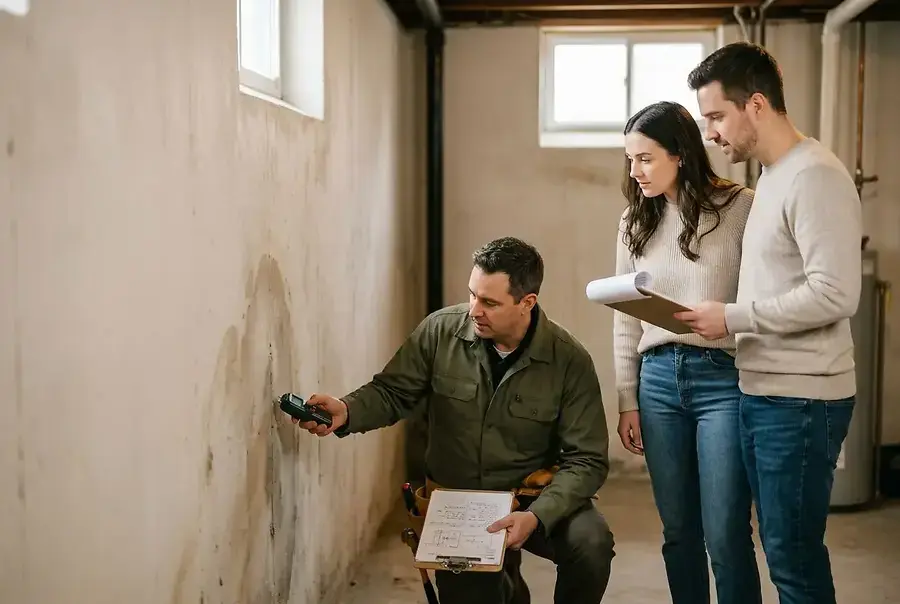
Hamilton's climate and aging housing stock create predictable inspection findings. Foundation issues are common in older homes, particularly those built before modern waterproofing standards. Many properties show signs of water intrusion in basements, which can range from minor seepage to serious structural concerns.
Roofing problems frequently appear in inspection reports. Asphalt shingles deteriorate faster in Hamilton's weather conditions, and roof age is a critical factor that inspectors evaluate. If a roof is nearing the end of its lifespan, this becomes a major negotiating point.
- Outdated electrical systems requiring upgrades
- Plumbing issues including corroded pipes
- HVAC systems needing replacement
- Insulation deficiencies affecting energy efficiency
- Structural concerns from settling or moisture damage
Why These Issues Matter
Inspection findings aren't just technical details—they're your leverage. Every identified issue represents a negotiating opportunity. Sellers must address these problems eventually, whether through repairs or price reductions. Your inspection report is your roadmap for these conversations.
Strategies for Negotiating Repairs and Credits with Sellers
Prioritize Your Requests
Don't ask for everything to be fixed. Instead, categorize issues into three tiers: critical repairs that affect safety or structural integrity, important items that impact functionality, and nice-to-haves that improve aesthetics or comfort.
Focus your negotiation on critical and important items. This approach shows reasonableness and increases the likelihood that sellers will take your requests seriously. Asking for minor cosmetic fixes alongside major structural work weakens your position.
Request Credits Instead of Repairs
Consider requesting repair credits rather than having sellers complete the work. Credits give you control over contractor selection and quality standards. Sellers often prefer this option because it removes liability and timeline concerns.
When requesting credits, obtain contractor estimates for the work. Present these estimates to the seller's agent with supporting documentation. This demonstrates that your requests are reasonable and based on actual market costs, not inflated figures.
Use Professional Language and Documentation
Present your inspection findings professionally. Rather than emotional appeals, use the inspector's report directly. Let the professional documentation speak for itself. Quote specific findings and reference industry standards for repairs.
"The inspection report is your most powerful negotiating tool. Use it strategically and professionally to support your requests."
Timing Your Negotiation
The inspection contingency period is your window for negotiation. Act quickly after receiving the report—don't wait until the deadline approaches. Early action shows seriousness and gives sellers time to respond thoughtfully rather than reactively.
However, don't rush into accepting the first counteroffer. Take time to evaluate responses and consider your options carefully.
When to Walk Away: Red Flags and Deal-Breakers
Identifying Serious Problems
Some inspection findings should trigger serious concern about proceeding. Structural damage, foundation problems, or extensive water damage can cost tens of thousands to repair and may indicate deeper issues not yet discovered.
Mold presence is another major red flag. Mold remediation is expensive, and its presence suggests moisture problems that may recur. Professional mold assessment and remediation can quickly consume your entire negotiating advantage.
When Sellers Won't Negotiate
If sellers refuse to address critical issues or offer inadequate credits, you must evaluate whether the property is worth purchasing as-is. Don't let emotional attachment to a home override financial prudence.
- Calculate total repair costs for all identified issues
- Compare these costs to your available funds and financing capacity
- Consider how repairs affect your long-term financial goals
- Evaluate whether the property still represents good value
Trust Your Instincts
If something feels wrong about the property or the negotiation process, it probably is. Your inspection contingency exists to protect you. Using it to walk away from a problematic deal is a legitimate and often wise choice.
Closing Strong: Finalizing Your Inspection Negotiations
Reaching Agreement
Once you and the seller reach agreement on repairs or credits, ensure everything is documented in writing. Amendments to your purchase agreement should clearly specify what work will be completed, by whom, and by what deadline.
If requesting credits, specify the exact dollar amount and ensure it's reflected in your closing documents. Clarify whether credits reduce the purchase price or appear as separate line items.
Final Walk-Through Verification
Before closing, conduct a final walk-through to verify that agreed-upon repairs were completed satisfactorily. Don't skip this step. Bring your inspection report and check that work meets the standards outlined in your agreement.
If repairs weren't completed as promised, you have the right to request additional credits or delay closing until work is finished. Your final walk-through is your last opportunity to ensure the seller fulfills their obligations.
Moving Forward with Confidence
Successful negotiation after your Hamilton home inspection sets the foundation for a positive homeownership experience. By understanding common issues, negotiating strategically, and knowing when to walk away, you protect your investment and maximize your savings.
Remember: the inspection process exists to give you information and leverage. Use both wisely to secure the best possible outcome on your Hamilton home purchase.


