Mastering Omaha's Commercial, Residential, and Mixed-Use Real Estate
Strategic insights for investors and homebuyers exploring diverse property opportunities across Omaha's dynamic market.

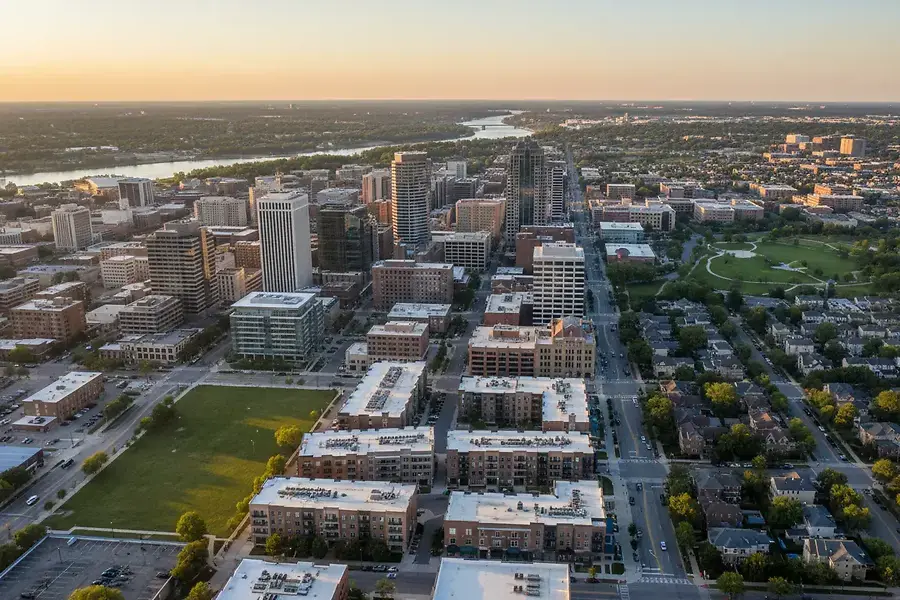
Introduction: Understanding Omaha's Three-Tier Real Estate Landscape
Omaha's real estate market has evolved into one of the Midwest's most dynamic and diverse investment landscapes. Whether you're a seasoned investor seeking commercial opportunities, a homebuyer searching for your perfect residence, or an entrepreneur exploring mixed-use properties, Omaha offers compelling options across all three sectors. The city's strategic location, growing population, and robust economic foundation create an ideal environment for real estate growth and opportunity.
Understanding the nuances of each market segment is essential for making informed decisions. This guide explores the three pillars of Omaha's real estate ecosystem and provides actionable insights to help you navigate this thriving market.
Commercial Real Estate Opportunities in Omaha's Growing Business Districts
The Rise of Omaha's Business Hubs
Omaha's commercial real estate sector has experienced remarkable expansion, driven by major corporate relocations and the growth of established companies. The city's central location and business-friendly environment have attracted Fortune 500 companies and innovative startups alike.
- Downtown Omaha: The historic core continues its revitalization with modern office spaces, retail developments, and entertainment venues attracting both businesses and consumers.
- West Omaha Corridor: This rapidly developing area offers newer commercial properties with state-of-the-art facilities and ample parking, appealing to growing enterprises.
- Aksarben Village: A mixed-use development that has become a premier destination for retail, dining, and corporate offices.
Investment Considerations for Commercial Properties
Commercial real estate investors should evaluate several key factors: location accessibility, tenant stability, lease terms, and market demand. Properties near major employment centers and transportation corridors typically command premium valuations. The current market shows strong demand for flexible office spaces, modern retail environments, and logistics facilities supporting e-commerce growth.
Cap rates in Omaha remain competitive compared to coastal markets, offering attractive returns for investors seeking value-oriented opportunities. Properties with long-term, creditworthy tenants provide stable income streams, while newer developments offer growth potential.
Residential Market Trends: From Historic Neighborhoods to Modern Developments
Diverse Neighborhoods for Every Lifestyle
Omaha's residential market caters to diverse preferences and budgets. Historic neighborhoods like Dundee and Benson offer charm, walkability, and established community character, while newer developments in West Omaha provide modern amenities and contemporary architecture.
- Historic Districts: Featuring Victorian homes, tree-lined streets, and vibrant local businesses, these areas appeal to buyers valuing character and community.
- Suburban Communities: Offering family-friendly environments with excellent schools, parks, and planned amenities.
- Urban Lofts and Condos: Downtown and midtown properties attract young professionals and empty nesters seeking walkable, urban lifestyles.
Current Market Dynamics
The residential market reflects balanced conditions with reasonable inventory levels and competitive pricing. First-time homebuyers benefit from diverse price points, while move-up buyers find excellent opportunities in established neighborhoods. The market shows particular strength in properties offering:
- Energy-efficient features and modern updates
- Proximity to employment centers and quality schools
- Access to parks, trails, and recreational amenities
- Strong community infrastructure and services
Appreciation trends remain steady, with neighborhoods showing consistent value growth. Smart buyers focus on location fundamentals and long-term community development rather than short-term speculation.
Mixed-Use Properties: The Intersection of Investment and Community Living
The Mixed-Use Revolution
Mixed-use developments represent one of Omaha's most exciting real estate trends. These properties combine residential, commercial, and entertainment components, creating vibrant communities where people live, work, and play.
Mixed-use properties offer investors diversified income streams while providing residents with unprecedented convenience and community engagement.
Benefits for Investors and Residents
For Investors: Mixed-use properties provide portfolio diversification through multiple revenue streams. Residential units generate stable rental income, while commercial spaces attract established tenants. The integrated nature of these developments often commands premium pricing and attracts quality operators.
For Residents: Living in mixed-use communities eliminates commute times, provides walkable access to services and entertainment, and fosters vibrant neighborhood culture. These properties appeal to professionals, families, and retirees seeking convenience and community.
Notable Mixed-Use Developments
Omaha's skyline increasingly features successful mixed-use projects that serve as community anchors. These developments typically include:
- Ground-floor retail and restaurants with upper-level residential or office space
- Integrated parking solutions and public gathering spaces
- Sustainable design features and modern amenities
- Strong management and community programming
The success of these projects demonstrates strong market demand for integrated living experiences and validates the long-term viability of mixed-use real estate in Omaha.
Conclusion: Positioning Yourself in Omaha's Dynamic Real Estate Market
Omaha's real estate market offers compelling opportunities across commercial, residential, and mixed-use sectors. Success requires understanding market fundamentals, identifying your investment or lifestyle objectives, and partnering with knowledgeable professionals who understand local dynamics.
Key takeaways for navigating Omaha's market:
- Research neighborhoods and business districts thoroughly before committing
- Consider long-term community development and infrastructure plans
- Evaluate properties based on fundamental value rather than speculation
- Work with experienced local real estate professionals
- Understand financing options and investment structures
Whether you're building a real estate portfolio, purchasing your family home, or exploring mixed-use investment opportunities, Omaha's diverse market provides the foundation for successful real estate decisions. The city's continued economic growth, strategic location, and quality of life make it an increasingly attractive destination for real estate investors and homebuyers alike. By understanding these three market segments and applying strategic thinking, you can position yourself to capitalize on Omaha's dynamic real estate landscape.


