Maximize Returns on Residential Investment Properties in Las Vegas, Henderson & Pahrump
Discover proven strategies to maximize returns on residential rental properties across Nevada's hottest markets.

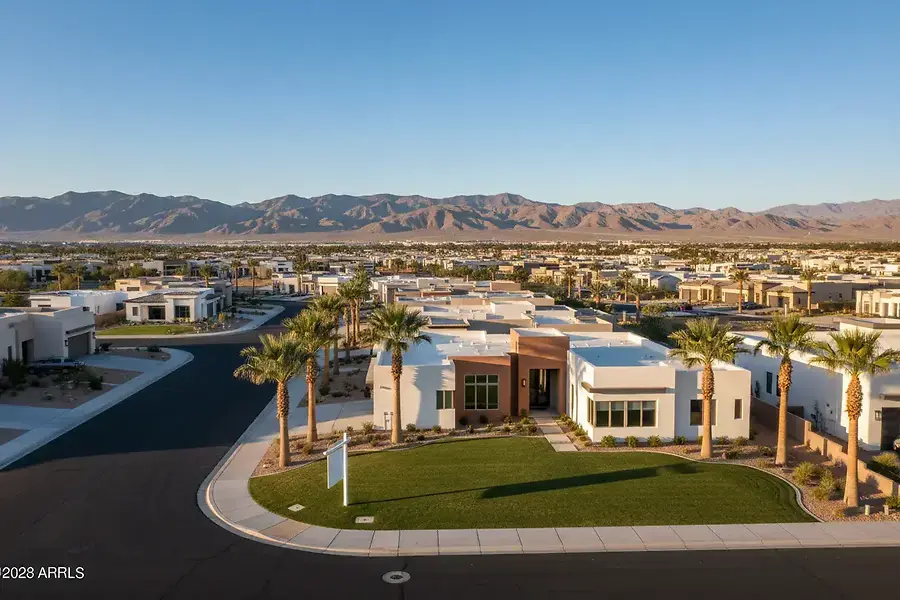
Understanding the Local Rental Market Dynamics
The residential rental market in Las Vegas, Henderson, and Pahrump presents exceptional opportunities for savvy investors. These Nevada markets have experienced significant growth, driven by population migration, economic diversification, and favorable business conditions. Understanding the nuances of each market is crucial for maximizing your investment returns.
Market Growth and Demand Factors
Las Vegas continues to attract residents seeking employment opportunities in hospitality, healthcare, and technology sectors. Henderson, the second-largest city in Nevada, offers a more suburban appeal with strong family demographics. Pahrump, located in Nye County, attracts investors looking for emerging markets with lower entry costs and significant growth potential.
Key factors driving demand include:
- Population Growth: Nevada consistently ranks among the fastest-growing states, with strong migration patterns from California and other high-cost regions.
- Rental Demand: The percentage of renters continues to increase, creating sustained demand for quality residential properties.
- Economic Diversification: Beyond gaming, sectors like technology, healthcare, and manufacturing are expanding employment opportunities.
- Affordable Housing: Compared to coastal markets, Nevada offers competitive pricing that attracts both residents and investors.
Seasonal Trends and Occupancy Patterns
Understanding seasonal variations is essential for cash flow planning. Winter months typically see higher occupancy rates as people relocate from colder climates. Summer months may experience slight fluctuations, but overall demand remains strong throughout the year in these markets.
Evaluating Property Types and Neighborhoods
Single-Family Homes vs. Multi-Unit Properties
Each property type offers distinct advantages. Single-family homes attract long-term tenants and families, typically generating stable, predictable income. Multi-unit properties provide diversified income streams and economies of scale in management and maintenance.
Consider your investment goals and management capacity when choosing between these options. Single-family homes require less upfront capital and appeal to a broader tenant base, while multi-unit properties offer higher overall returns but demand more active management.
Neighborhood Selection Strategy
Location determines long-term appreciation potential and tenant quality. Focus on neighborhoods with:
- Strong school districts and family-friendly amenities
- Proximity to employment centers and major employers
- Low crime rates and community stability
- Access to shopping, dining, and recreational facilities
- Infrastructure development and future growth plans
Henderson's master-planned communities offer premium amenities and consistent appreciation. Las Vegas neighborhoods near the Strip and downtown provide diverse investment opportunities. Pahrump's emerging areas present value plays for investors with longer time horizons.
Property Condition and Renovation Potential
Evaluate whether to purchase move-in ready properties or value-add opportunities requiring renovation. Properties needing updates often offer better entry prices but require capital for improvements and potential vacancy during renovations. Calculate the cost-benefit analysis carefully to ensure renovations increase rental income and property value appropriately.
Financing and Cash Flow Optimization
Securing Optimal Financing Terms
Your financing strategy directly impacts returns. Conventional loans typically offer the best rates for qualified borrowers with strong credit and down payments of 20-25%. FHA loans allow lower down payments but include mortgage insurance costs. Portfolio loans from local lenders may offer flexibility for investors with multiple properties.
Shop multiple lenders to compare rates, terms, and fees. Even small differences in interest rates significantly impact long-term profitability. Consider the loan-to-value ratio carefully—higher leverage increases returns but also increases risk.
Maximizing Monthly Cash Flow
Positive cash flow is the foundation of successful rental investing. Calculate your monthly income and expenses accurately:
- Rental Income: Research comparable rents in target neighborhoods to set competitive rates.
- Operating Expenses: Include property taxes, insurance, maintenance, utilities, and property management fees.
- Vacancy Allowance: Reserve 5-10% of rental income for periods between tenants.
- Capital Reserves: Set aside funds for major repairs and replacements.
Aim for properties generating at least 1% of purchase price in monthly rent. A $300,000 property should generate at least $3,000 monthly rental income to ensure healthy cash flow after expenses.
Tax Optimization Strategies
Work with a qualified accountant to maximize tax benefits. Deductible expenses include mortgage interest, property taxes, insurance, repairs, maintenance, and property management fees. Depreciation provides significant tax advantages, allowing you to deduct a portion of the property's value annually, even if the property appreciates.
Strategic tax planning can significantly enhance after-tax returns on your investment properties.
Long-Term Growth and Exit Strategies
Building Equity and Appreciation
Residential properties in these Nevada markets have demonstrated consistent appreciation. Focus on neighborhoods with strong fundamentals and growth catalysts. As your equity builds through mortgage paydown and property appreciation, your net worth increases substantially.
Consider refinancing when property values appreciate significantly, allowing you to access equity for additional investments while maintaining positive cash flow.
Portfolio Diversification
Avoid concentrating all investments in a single property or neighborhood. Diversify across different areas and property types to reduce risk. A balanced portfolio might include single-family homes in established neighborhoods and value-add opportunities in emerging areas.
Exit Strategy Planning
Develop clear exit strategies before purchasing. Options include:
- Long-Term Hold: Maintain properties for decades, benefiting from appreciation and cash flow.
- 1031 Exchange: Sell a property and reinvest proceeds into a larger or different property, deferring capital gains taxes.
- Sale and Reinvestment: Sell appreciated properties and redeploy capital into higher-return opportunities.
- Estate Planning: Hold properties for generational wealth transfer with stepped-up basis advantages.
Monitoring and Adaptation
Regularly review your portfolio performance. Monitor rental rates, operating expenses, property values, and market conditions. Be prepared to adjust your strategy based on changing market dynamics. Successful investors remain flexible and responsive to opportunities and challenges.
The residential real estate markets in Las Vegas, Henderson, and Pahrump offer compelling opportunities for investors willing to conduct thorough due diligence and implement sound strategies. By understanding local market dynamics, selecting quality properties in strong neighborhoods, optimizing financing and cash flow, and planning for long-term growth, you can build substantial wealth through residential real estate investment.