Maximizing Home Energy Efficiency in Interior Alaska's Extreme Cold Climate
Discover how smart insulation and heating systems maximize comfort while minimizing utility costs in Fairbanks, North Pole, Salcha, and Fort Wainwright.

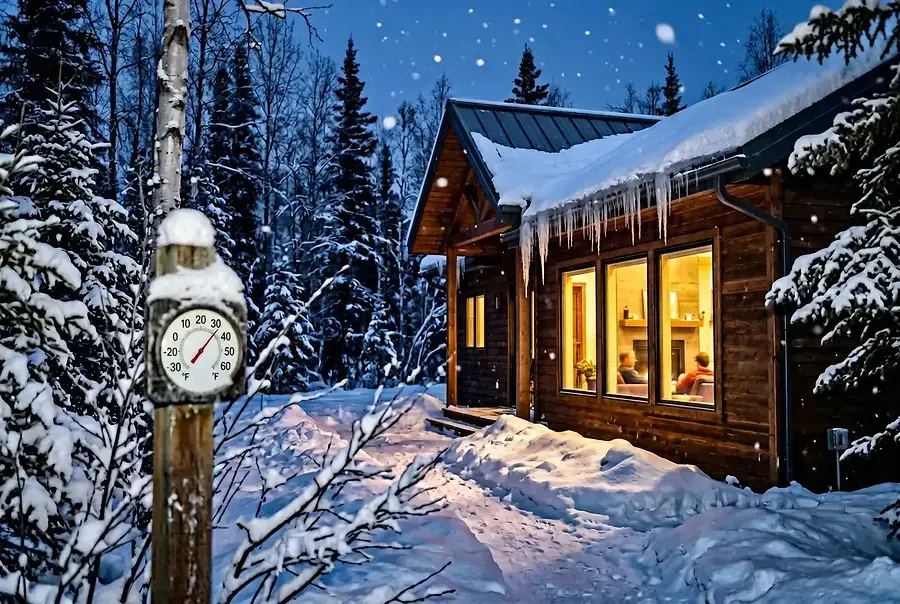
Why Energy Efficiency Matters in Interior Alaska's Extreme Winters
Interior Alaska experiences some of the most brutal winter conditions in North America, with temperatures regularly dropping to -40°F and below. In communities like Fairbanks, North Pole, Salcha, and Fort Wainwright, homeowners face extraordinary heating demands that can result in utility bills exceeding $3,000 to $5,000 annually. Energy efficiency isn't just about comfort—it's about financial survival and environmental responsibility.
When homes lack proper insulation and efficient heating systems, heat escapes rapidly through walls, roofs, and foundations. This forces heating systems to work overtime, consuming massive amounts of energy and driving up costs. By investing in energy-efficient upgrades, homeowners can reduce their heating expenses by 30-50% while maintaining superior indoor comfort throughout the long, dark winters.
Key Features of Energy-Efficient Homes in Fairbanks and North Pole
Superior Insulation Standards
Energy-efficient homes in Fairbanks and North Pole are built with insulation levels that far exceed standard building codes. The most effective homes feature:
- Attic insulation of R-60 to R-80 (compared to the national average of R-38)
- Wall insulation of R-21 to R-30 using spray foam or rigid foam boards
- Foundation insulation with R-20 or higher to prevent ground heat loss
- Triple-pane windows with low-emissivity coatings and insulated frames
These enhanced insulation levels create a thermal envelope that keeps precious heat inside while blocking the brutal cold from penetrating living spaces.
Air Sealing and Vapor Barriers
In extreme cold climates, air leaks are the enemy. Energy-efficient homes in these regions employ meticulous air sealing techniques to eliminate drafts around windows, doors, electrical outlets, and penetrations. Proper vapor barriers prevent moisture from accumulating within walls, which can compromise insulation effectiveness and lead to structural damage.
Passive Solar Design
Even in Alaska's limited daylight, passive solar design principles matter. South-facing windows are strategically positioned to capture available solar heat during the brief daylight hours, while overhangs and thermal mass help regulate interior temperatures naturally.
Heating Systems and Insulation Standards for Salcha and Fort Wainwright Properties
Advanced Heating Technologies
Properties in Salcha and Fort Wainwright benefit from modern heating systems specifically designed for extreme cold:
- Heat pump systems with auxiliary electric heating for temperatures below -20°F
- Radiant floor heating that distributes warmth evenly and efficiently
- Ductless mini-split systems that provide zone heating and reduce energy waste
- High-efficiency furnaces with AFUE ratings of 95% or higher
- Smart thermostats that learn occupancy patterns and optimize heating schedules
Many homeowners also maintain backup heating systems, such as wood stoves or propane heaters, for added security during extreme weather events or power outages.
Hydronic and Radiant Systems
Radiant heating systems are particularly effective in Interior Alaska because they heat objects and people directly rather than warming air. This approach reduces the temperature differential between inside and outside, minimizing heat loss through walls and windows. Hydronic systems circulate warm water through pipes in floors or walls, providing consistent, comfortable warmth without the drafts associated with forced-air systems.
Ventilation and Air Quality
Tight building envelopes require mechanical ventilation to maintain healthy indoor air quality. Energy recovery ventilation (ERV) systems extract stale indoor air while capturing its heat and transferring it to incoming fresh air, recovering 70-90% of the heat that would otherwise be lost.
Long-Term Savings and Property Value Benefits for Local Buyers
Dramatic Utility Cost Reductions
The financial benefits of energy efficiency in Interior Alaska are substantial and measurable. A well-insulated, efficiently heated home can reduce annual heating costs by thousands of dollars. Over a 20-year period, these savings can total $60,000 to $100,000 or more, depending on the home's size and the extent of upgrades.
"Energy-efficient homes in Fairbanks and North Pole aren't just more comfortable—they're smart investments that pay dividends year after year through lower utility bills and increased property values."
Increased Property Value and Market Appeal
Buyers in Interior Alaska increasingly recognize the value of energy-efficient homes. Properties with superior insulation, modern heating systems, and proven low utility costs command premium prices in the real estate market. Energy-efficient homes typically sell faster and for higher prices than comparable properties with outdated systems.
Enhanced Comfort and Quality of Life
Beyond financial benefits, energy-efficient homes provide superior comfort. Consistent interior temperatures, elimination of cold drafts, and reduced noise from heating systems create a more pleasant living environment. Families can enjoy their homes without the constant worry of skyrocketing heating bills or uncomfortable cold spots.
Environmental and Community Benefits
Energy-efficient homes reduce carbon emissions and decrease demand on local power grids. In Interior Alaska, where many communities rely on diesel generators for electricity, reducing energy consumption has direct environmental benefits. By choosing energy efficiency, homeowners contribute to a more sustainable future for their communities.
Getting Started with Energy Efficiency Upgrades
Homeowners in Fairbanks, North Pole, Salcha, and Fort Wainwright should start with a professional energy audit to identify the most cost-effective improvements. Prioritize upgrades that address the biggest heat losses—typically attic insulation, air sealing, and window replacement. Many local utilities and state programs offer rebates and incentives for energy-efficient upgrades, making improvements more affordable.
By investing in energy efficiency today, Interior Alaska homeowners secure comfortable, affordable homes that will serve their families well for decades to come.