Maximizing Home Resale Value: Smart Improvements That Pay Off
Discover which renovations deliver the highest return on investment and attract serious buyers.

Understanding ROI in Home Improvements
When preparing to sell your home, the question of which improvements will actually pay off becomes crucial. Not all renovations are created equal, and some can drain your budget without delivering proportional returns. Understanding return on investment (ROI) helps you make strategic decisions that enhance your home's appeal while protecting your bottom line.
The key to successful home improvements lies in identifying upgrades that buyers actively seek and that address common pain points. Rather than pursuing your personal dream renovations, focus on improvements that have proven track records of recouping costs and increasing home value. Research shows that strategic upgrades can recover 50-100% of their costs at resale, while others may only return 20-30%.
Smart home sellers prioritize improvements that combine aesthetic appeal with functional necessity. This balanced approach attracts a broader buyer pool and justifies higher asking prices.
High-Impact Renovations: Kitchen, Bathrooms, and Curb Appeal
Kitchen Renovations
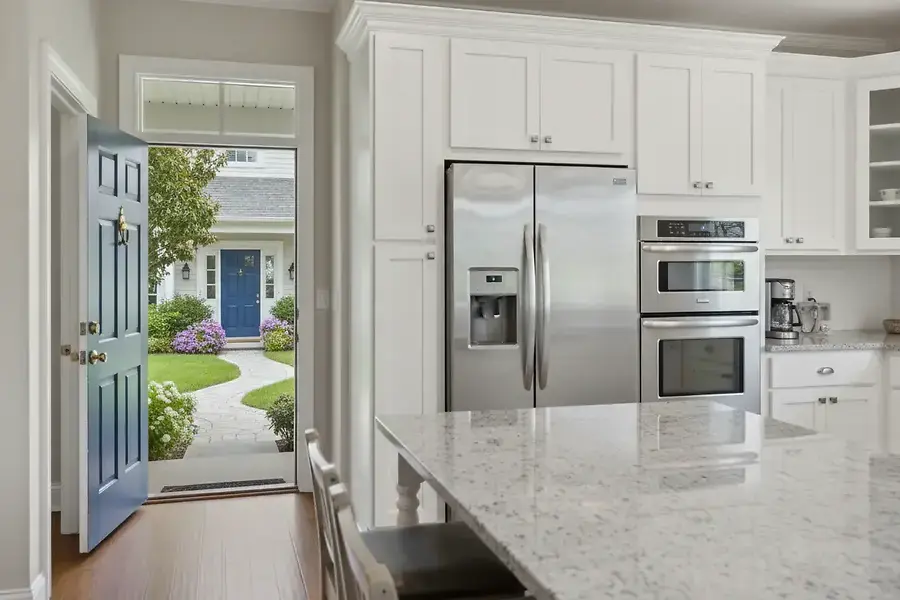
The kitchen remains the heart of the home and a primary focus for buyers. A well-executed kitchen update can return 50-60% of its investment, making it one of the most impactful renovations available. However, you don't need a complete overhaul to see results.
- Cabinet refacing or painting offers excellent ROI without the expense of full replacement
- Updated countertops in granite, quartz, or laminate create a modern appearance
- New appliances signal functionality and appeal to efficiency-conscious buyers
- Improved lighting makes the space feel larger and more inviting
Focus on clean, neutral finishes that appeal to diverse tastes rather than trendy designs that may feel dated quickly.
Bathroom Upgrades
Bathrooms are the second most important space for buyers. A primary bathroom renovation can return 50-70% of costs, while guest bathroom updates typically recover 40-50%. Key improvements include:
- Replacing outdated fixtures with modern, water-efficient options
- Updating tile work and flooring
- Installing new vanities and mirrors
- Improving ventilation and lighting
Avoid overly personalized designs. Stick to neutral colors and timeless styles that won't alienate potential buyers.
Curb Appeal
First impressions matter tremendously. Curb appeal improvements can return 75-100% of investment because they're often the most affordable upgrades with the highest visual impact.
- Fresh exterior paint
- Landscaping and lawn maintenance
- New front door and hardware
- Updated lighting fixtures
- Pressure washing and deck refinishing
A well-maintained exterior can be the difference between a buyer scheduling a showing or moving on to the next listing.
Strategic Updates: HVAC, Roofing, and Foundation Investments
HVAC Systems
While not glamorous, a functioning HVAC system is non-negotiable for buyers. Replacing an aging system typically recovers 50-90% of costs because it addresses a critical home system. Modern, efficient units also reduce energy bills, which appeals to environmentally conscious and budget-minded buyers.
If your system is more than 10-15 years old, replacement should be a priority before listing.
Roofing
A new roof is a significant investment that can return 60-80% of costs. More importantly, roof condition directly impacts buyer confidence. A deteriorating roof raises red flags about potential water damage and structural issues, even if none exist.
If your roof is nearing the end of its lifespan, replacement before sale is often worthwhile. If it's in good condition, highlight this in your listing to justify your asking price.
Foundation and Structural Repairs
Foundation issues are deal-breakers for most buyers. While repairs are expensive, addressing them is essential for a successful sale. These improvements may not return full costs but are necessary to make your home marketable at all.
Get a professional inspection early and address any issues before listing. Transparency about repairs completed builds buyer confidence.
Planning Your Upgrade Strategy for Maximum Profit
Creating a prioritized improvement plan requires honest assessment of your home's current condition and market demands. Follow these steps:
Step 1: Get a Professional Inspection
Hire a home inspector to identify necessary repairs and potential issues. This reveals what must be fixed versus what's optional.
Step 2: Research Your Local Market
Different regions value different improvements. A pool might be essential in warm climates but less valuable in cooler areas. Talk to local real estate agents about buyer preferences in your market.
Step 3: Prioritize by ROI and Necessity
Address critical repairs first, then pursue high-ROI cosmetic improvements. Avoid expensive, personalized renovations that won't appeal to the broader market.
Step 4: Set a Budget and Stick to It
Determine how much you can invest and allocate funds strategically. Sometimes doing fewer projects well is better than spreading resources thin across many mediocre improvements.
Step 5: Consider Timing
Complete major renovations well before listing to allow time for any issues to surface. Buyers are wary of recently completed work that might hide problems.
Final Thoughts: The most successful home sales combine necessary repairs with strategic cosmetic improvements that enhance appeal without excessive spending. By focusing on high-ROI upgrades like kitchen and bathroom updates, curb appeal enhancements, and critical system replacements, you position your home competitively in the market.
Remember that the goal isn't perfection—it's creating a well-maintained, attractive home that buyers perceive as a sound investment. With careful planning and smart choices, your home improvement investments will translate directly into increased resale value and a faster, more profitable sale.


