Maximizing Property Value in Pierce County's Diverse Markets
Strategic insights for residential and commercial investors navigating Tacoma, Gig Harbor, University Place, and surrounding communities.

Understanding Pierce County's Market Segments: Residential vs. Commercial Opportunities
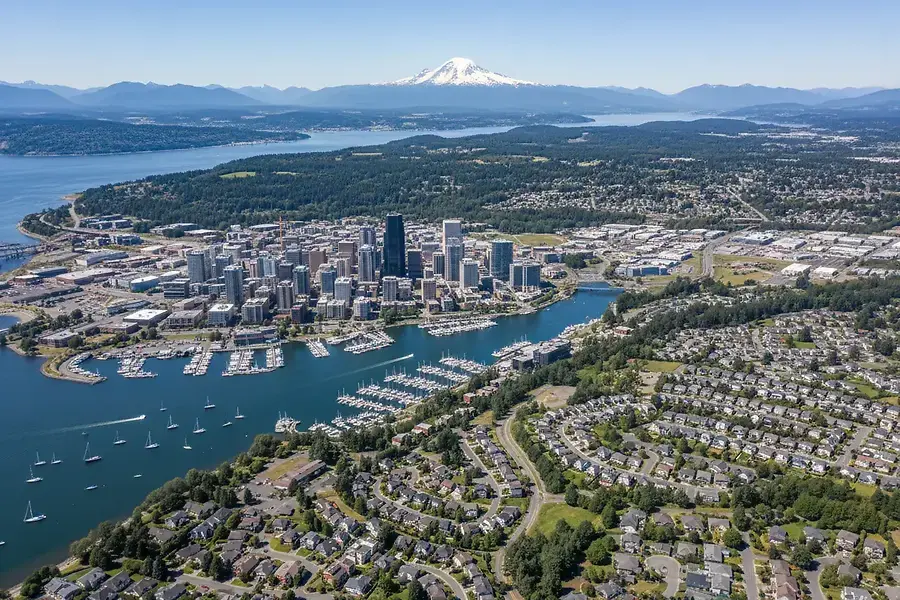
Pierce County presents a dynamic landscape for real estate investors, with distinct opportunities across residential and commercial sectors. The region's diverse communities offer varying risk profiles, growth potential, and investment timelines that cater to different investor objectives.
Residential Markets in Pierce County have demonstrated consistent appreciation, driven by population growth and limited housing inventory. Single-family homes, multi-unit properties, and condominiums each serve different investor strategies. Residential investments typically offer stable cash flow through rental income and long-term equity appreciation.
Commercial Properties present higher-yield opportunities for experienced investors. Office spaces, retail locations, and industrial properties benefit from Pierce County's strategic location and growing business ecosystem. Commercial real estate requires deeper market analysis but often delivers superior returns for those who understand local economic drivers.
Market Dynamics and Growth Factors
Pierce County's economy is bolstered by major employers, including healthcare systems, technology companies, and manufacturing operations. Understanding these employment centers helps investors identify neighborhoods with strong fundamentals and sustainable growth trajectories.
- Population growth outpacing state averages
- Diverse employment base reducing economic vulnerability
- Infrastructure improvements enhancing accessibility
- Educational institutions supporting community stability
Location-Specific Investment Strategies for Top Pierce County Communities
Tacoma: Urban Growth and Revitalization
Tacoma, Pierce County's largest city, offers compelling opportunities for investors seeking urban exposure. The downtown core has undergone significant revitalization, attracting young professionals and businesses. Investment Strategy: Focus on properties near transit corridors, cultural districts, and waterfront developments. Mixed-use properties and adaptive reuse projects align with Tacoma's urban renaissance narrative.
Residential investors should consider neighborhoods experiencing gentrification, where property values are appreciating rapidly. Commercial investors can capitalize on the growing demand for office and retail space in revitalized downtown areas.
Gig Harbor: Premium Waterfront and Lifestyle Appeal
Gig Harbor attracts affluent residents seeking waterfront living and small-town charm. This market commands premium pricing and appeals to investors targeting high-net-worth demographics. Investment Strategy: Waterfront and water-view properties maintain strong appreciation and rental demand. Focus on properties with unique characteristics—harbor views, beach access, or distinctive architecture—that justify premium valuations.
The vacation rental market in Gig Harbor presents additional income opportunities for residential property owners. Short-term rental demand remains robust, supporting higher yields than traditional long-term rentals.
University Place: Stable Growth and Educational Anchors
University Place benefits from proximity to the University of Washington Tacoma campus and established residential neighborhoods. This community offers stability and consistent appreciation. Investment Strategy: Target properties near the university campus for student housing opportunities. Multi-family properties and single-family rentals both perform well in this market segment.
The educational anchor provides employment stability and attracts young professionals, supporting sustained demand for rental properties.
Emerging Communities: Puyallup, Lakewood, and Beyond
Secondary communities throughout Pierce County offer value opportunities for investors with longer investment horizons. These areas often feature lower entry prices and strong growth potential as infrastructure develops.
- Puyallup: Growing commercial corridor with retail and office expansion
- Lakewood: Residential growth driven by family-oriented demographics
- Spanaway and Bonney Lake: Emerging suburban markets with development potential
Maximizing Returns: Property Enhancement and Market Positioning Techniques
Strategic Property Improvements
Value-add strategies separate successful investors from average performers. Prioritize improvements that deliver measurable returns:
- Kitchen and bathroom renovations—highest ROI improvements
- Energy-efficient upgrades reducing operating costs
- Curb appeal enhancements attracting premium tenants
- Technology integration (smart home features, high-speed internet)
- Outdoor space optimization for residential appeal
Commercial properties benefit from tenant improvement allowances, modern HVAC systems, and flexible floor plans accommodating diverse business needs.
Market Positioning and Pricing Strategy
Effective pricing requires understanding comparable sales, market conditions, and property-specific attributes. Successful positioning involves:
Properties that align with market demand and community trends command premium valuations. Investors who understand local preferences and emerging patterns gain competitive advantages.
Conduct thorough comparative market analysis examining recent sales, days-on-market, and price-per-square-foot metrics. Price aggressively to attract qualified buyers or tenants quickly, maximizing holding period returns.
Tenant and Buyer Selection
Quality tenants and buyers directly impact property performance. Implement rigorous screening processes evaluating credit history, income verification, and rental references. Strong tenant relationships reduce vacancy rates and maintenance issues, protecting your investment returns.
Getting Started: Your Action Plan for Success in Pierce County Real Estate
Step 1: Define Your Investment Objectives
Clarify whether you're seeking cash flow, appreciation, or balanced returns. Determine your risk tolerance, investment timeline, and capital availability. These factors guide community selection and property type decisions.
Step 2: Conduct Thorough Market Research
Study Pierce County's neighborhoods, employment trends, and development plans. Analyze historical appreciation rates, rental demand, and vacancy statistics. Connect with local real estate professionals, property managers, and investors to gain insider perspectives.
Step 3: Build Your Investment Team
Assemble experienced professionals including real estate agents, property managers, accountants, and attorneys. Local expertise accelerates your learning curve and helps avoid costly mistakes. Quality advisors provide invaluable guidance navigating Pierce County's specific market conditions.
Step 4: Start with Due Diligence
Inspect properties thoroughly, review financial records, and verify tenant information. Understand zoning regulations, property taxes, and HOA requirements. Comprehensive due diligence prevents surprises and ensures informed investment decisions.
Step 5: Execute and Monitor
Once you've identified opportunities, move decisively. Monitor property performance against projections, adjust strategies as needed, and reinvest profits into additional properties. Successful investors maintain disciplined approaches while remaining flexible enough to capitalize on emerging opportunities.
Conclusion
Pierce County's diverse real estate markets offer compelling opportunities for investors willing to conduct thorough research and implement strategic approaches. Whether targeting Tacoma's urban growth, Gig Harbor's premium market, or emerging communities' value opportunities, success requires understanding local dynamics and executing disciplined investment strategies. By following this roadmap and building a strong advisory team, you can maximize property value and achieve superior returns in Pierce County's dynamic real estate landscape.