Maximizing Rental Income: Investment Strategies for Tampa Bay Residential Properties
How property owners are generating consistent returns across Sarasota, Bradenton, and Tampa neighborhoods.

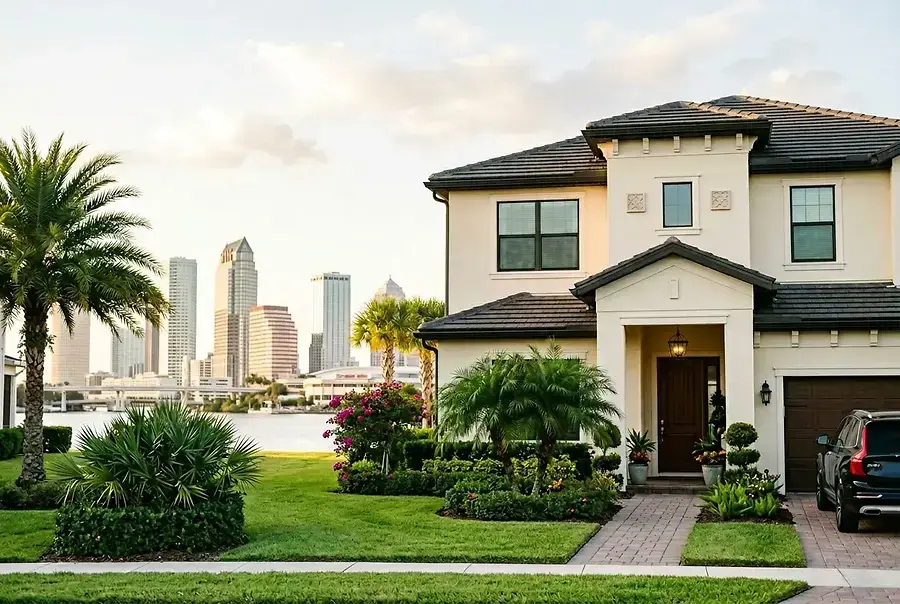
Understanding Current Rental Demand Across Tampa Bay Markets
The Tampa Bay region has emerged as one of Florida's most dynamic rental markets, attracting investors seeking stable returns and long-term growth potential. The area's diverse neighborhoods—from the vibrant streets of downtown Tampa to the coastal charm of Sarasota and the growing communities of Bradenton—offer unique opportunities for residential property investors.
Rental demand across these markets remains exceptionally strong, driven by population growth, remote work flexibility, and the region's appeal to both young professionals and retirees. Property owners who understand the nuances of each submarket can position themselves to capture higher occupancy rates and premium rental rates.
Market Dynamics in Tampa, Sarasota, and Bradenton
Each market within Tampa Bay presents distinct characteristics. Tampa attracts younger demographics seeking urban amenities and career opportunities, while Sarasota appeals to affluent retirees and those seeking a more relaxed coastal lifestyle. Bradenton offers a middle ground with growing commercial development and family-friendly neighborhoods.
- Tampa: Strong demand for modern apartments and condos near employment centers
- Sarasota: Premium rental rates for waterfront and upscale residential properties
- Bradenton: Emerging market with competitive pricing and growth potential
Strategic Property Selection for Consistent Rental Income
Successful rental income generation begins with intelligent property selection. Rather than purchasing any available property, savvy investors analyze demographic trends, employment centers, and neighborhood development plans to identify high-potential investments.
Location and Neighborhood Analysis
The most profitable rental properties share common characteristics: proximity to employment hubs, access to quality schools, convenient shopping and dining options, and strong community amenities. Investors should prioritize neighborhoods experiencing population growth and infrastructure improvements.
Key factors to evaluate:
- Proximity to major employers and business districts
- Quality of local schools and educational institutions
- Walkability scores and public transportation access
- Planned commercial and residential development projects
- Crime rates and community safety metrics
Property Type Considerations
Different property types generate varying returns depending on market conditions. Single-family homes attract families seeking stability, while condos and townhomes appeal to young professionals and downsizers. Multi-unit properties offer economies of scale but require more sophisticated management.
The ideal property type depends on your target tenant demographic and available capital for management and maintenance.
Property Management Best Practices for Residential Investors
Effective property management directly impacts your bottom line. Whether you manage properties yourself or hire a professional management company, implementing best practices ensures consistent rental income and long-term property appreciation.
Tenant Screening and Selection
Quality tenants are the foundation of successful rental income. Comprehensive screening processes—including credit checks, employment verification, and reference checks—reduce vacancy rates and minimize costly evictions and property damage.
- Conduct thorough background and credit checks
- Verify employment and income stability
- Contact previous landlords for rental history
- Set clear tenant requirements and lease terms
Maintenance and Property Upkeep
Regular maintenance prevents expensive repairs and keeps tenants satisfied. A well-maintained property commands higher rental rates and experiences lower turnover. Establish preventative maintenance schedules for HVAC systems, plumbing, roofing, and appliances.
Pro Tip: Budget 1-2% of your property's annual rental income for maintenance and repairs. This proactive approach prevents emergency expenses and maintains property value.
Lease Management and Documentation
Clear, comprehensive lease agreements protect both landlord and tenant interests. Include detailed terms regarding rent payment, maintenance responsibilities, pet policies, and lease renewal procedures. Proper documentation provides legal protection and reduces disputes.
Maximizing Returns: Pricing, Maintenance, and Tenant Relations
Generating maximum rental income requires balancing competitive pricing with market demand, maintaining property quality, and fostering positive tenant relationships that encourage lease renewals.
Strategic Rent Pricing
Setting the right rental price is crucial for maximizing income while maintaining occupancy. Underpricing leaves money on the table, while overpricing leads to extended vacancies. Analyze comparable properties in your neighborhood, consider seasonal demand fluctuations, and adjust pricing based on property amenities and condition.
- Research comparable rental rates in your specific neighborhood
- Factor in property age, condition, and unique amenities
- Consider seasonal demand variations
- Review and adjust pricing annually
- Offer incentives for longer lease terms
Building Strong Tenant Relationships
Tenants who feel valued and respected are more likely to renew leases, maintain the property responsibly, and provide positive referrals. Responsive communication, fair treatment, and prompt maintenance responses create positive relationships that reduce turnover costs.
Relationship-building strategies:
- Respond promptly to maintenance requests
- Maintain professional and courteous communication
- Address concerns before they escalate
- Offer lease renewal incentives for reliable tenants
- Create a sense of community in multi-unit properties
Leveraging Technology for Efficiency
Modern property management software streamlines rent collection, maintenance requests, and tenant communication. Online rent payment systems reduce late payments, while digital maintenance tracking ensures nothing falls through the cracks. These tools improve efficiency and allow you to manage multiple properties effectively.
Conclusion
Maximizing rental income in Tampa Bay requires a strategic approach combining market knowledge, careful property selection, and professional management practices. By understanding local market dynamics, selecting properties in high-demand neighborhoods, implementing best practices in tenant relations and maintenance, and pricing strategically, property owners can generate consistent, reliable returns on their residential investments.
The Tampa Bay region's strong rental demand and diverse neighborhoods provide excellent opportunities for investors willing to invest time in understanding their market and implementing proven strategies. Success comes not from quick profits, but from building a sustainable rental business focused on quality properties, quality tenants, and quality management.