Maximizing Rental Income: Strategies for Residential Property Owners
Learn proven techniques to boost your rental property returns and attract quality tenants.

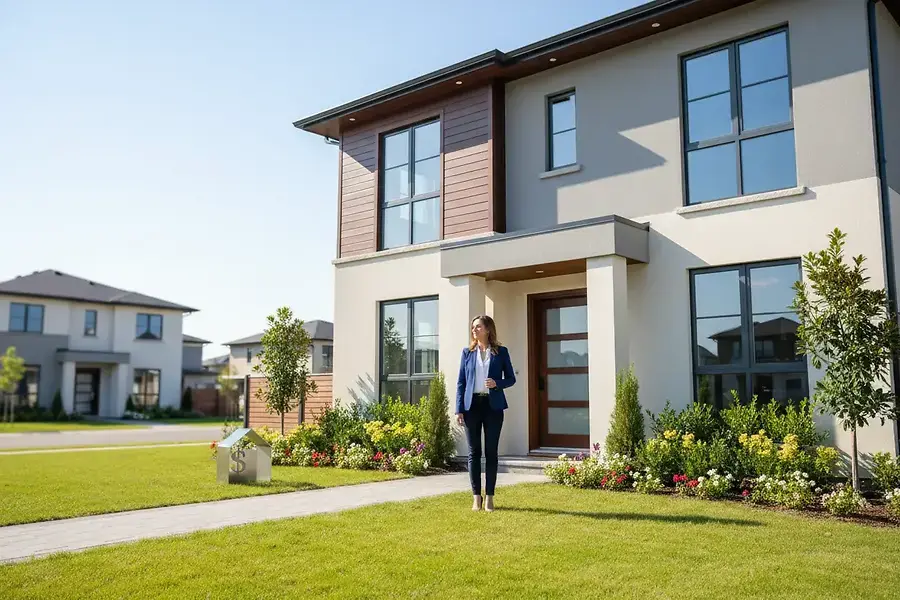
The Opportunity in Residential Rentals
The residential rental market presents a compelling opportunity for property owners seeking to build sustainable wealth. With rising housing costs and changing lifestyle preferences, more people are choosing to rent rather than buy, creating a robust demand for quality rental properties. However, success in this market requires more than simply owning a property—it demands strategic planning, market awareness, and a commitment to excellence.
Whether you're a seasoned investor or a first-time landlord, understanding how to optimize your rental income while maintaining tenant satisfaction is essential. The difference between an average rental property and a highly profitable one often comes down to implementation of proven strategies that address both financial and operational aspects of property management.
Setting Competitive Rental Rates Based on Market Analysis
Understanding Your Local Market
The foundation of maximizing rental income begins with thorough market research. Before setting your rental rate, invest time in analyzing comparable properties in your area. Look at similar properties with comparable square footage, amenities, location, and condition to establish a baseline understanding of market rates.
- Research comparable listings: Check rental websites, local property management companies, and real estate platforms to identify properties similar to yours
- Consider location factors: Proximity to schools, public transportation, shopping centers, and employment hubs significantly impacts rental value
- Evaluate amenities: Properties with updated kitchens, modern appliances, in-unit laundry, and outdoor spaces command higher rents
- Monitor market trends: Stay informed about supply and demand dynamics in your neighborhood
Pricing Strategies for Maximum Returns
Setting the right price is a delicate balance. Overpricing your property may result in extended vacancies and reduced annual income, while underpricing leaves money on the table. Consider these strategic approaches:
The most successful landlords view pricing as a dynamic process, adjusting rates based on market conditions, seasonal demand, and property improvements rather than setting a rate and forgetting it.
Implement a value-based pricing model that reflects the true worth of your property. If your rental includes premium features or services—such as utilities, parking, or furnished spaces—you can justify higher rates. Additionally, consider offering slight discounts for longer lease terms, which provide stability and reduce turnover costs.
Essential Maintenance and Upgrades That Increase Tenant Quality
Preventive Maintenance: The Foundation of Success
Regular maintenance is not just about keeping tenants happy—it's about protecting your investment and maximizing long-term profitability. Properties that are well-maintained attract higher-quality tenants, command premium rental rates, and experience fewer costly emergency repairs.
- Establish a preventive maintenance schedule covering HVAC systems, plumbing, electrical systems, and roofing
- Conduct quarterly inspections to identify potential issues before they become expensive problems
- Keep detailed maintenance records to document all work performed and plan future upgrades
- Address tenant-reported issues promptly to maintain satisfaction and prevent property damage
Strategic Upgrades That Attract Premium Tenants
Not all upgrades provide equal returns on investment. Focus on improvements that appeal to your target tenant demographic and align with market expectations. High-impact upgrades include:
Kitchen and Bathroom Modernization
These areas have the highest impact on tenant perception and rental value. Updated countertops, modern fixtures, and quality appliances can justify 5-10% higher rental rates. Even modest upgrades like fresh paint, new hardware, and updated lighting make a significant difference.
Flooring and Interior Finishes
Replace worn carpeting with durable, attractive options. Laminate or vinyl plank flooring offers durability and aesthetic appeal at reasonable costs. Fresh paint in neutral, modern colors creates a clean, move-in-ready appearance that attracts quality tenants.
Energy Efficiency Improvements
Modern tenants increasingly value energy-efficient features. Installing programmable thermostats, LED lighting, and Energy Star-rated appliances reduces utility costs for tenants while positioning your property as contemporary and environmentally conscious.
Outdoor Spaces and Curb Appeal
First impressions matter significantly. Invest in landscaping, exterior paint, updated lighting, and well-maintained entryways. These improvements cost relatively little but dramatically impact how potential tenants perceive your property.
Tenant Screening and Retention
Attracting quality tenants is as important as maintaining your property. Implement a thorough screening process that includes credit checks, employment verification, and reference checks. Quality tenants pay on time, respect the property, and reduce turnover costs.
Once you've secured good tenants, invest in retention. Respond quickly to maintenance requests, maintain the property to high standards, and consider modest rent increases rather than losing tenants to vacancy periods. The cost of finding and screening new tenants often exceeds the benefit of aggressive rent increases.
Building Long-Term Wealth Through Smart Rental Management
Maximizing rental income extends beyond individual transactions—it's about building a sustainable system that generates consistent returns. Smart rental management combines competitive pricing, property excellence, and tenant relationships to create a profitable, low-stress investment.
Track your expenses meticulously, reinvest profits into property improvements, and stay informed about market conditions. Consider working with a professional property manager if you own multiple properties or lack the time to manage operations effectively. The investment in professional management often pays for itself through optimized operations and reduced vacancy rates.
By implementing these strategies—conducting thorough market analysis, maintaining your property to high standards, and attracting quality tenants—you position yourself to maximize rental income and build substantial long-term wealth. The residential rental market rewards owners who combine strategic thinking with operational excellence, creating properties that tenants want to live in and that generate strong, consistent returns.


