Maximizing Resale Value: Essential Home Improvements for Residential Sellers
Learn which strategic upgrades deliver the highest return on investment and appeal most to today's residential buyers.

Introduction: Why Smart Home Improvements Matter for Resale Value
When preparing to sell your home, strategic renovations can be the difference between a quick sale at top dollar and a property that lingers on the market. Not all home improvements are created equal—some deliver exceptional returns on investment, while others drain your budget without adding meaningful value. Understanding which upgrades matter most to today's buyers is essential for maximizing your home's market appeal and selling price.
The key to successful home improvements lies in balancing buyer preferences with cost-effectiveness. Rather than pursuing your personal dream renovations, focus on upgrades that address common buyer concerns and enhance your home's overall marketability. This strategic approach ensures you invest wisely and recoup your expenses when you sell.
High-ROI Renovations That Attract Residential Buyers
Kitchen Upgrades and Modernization
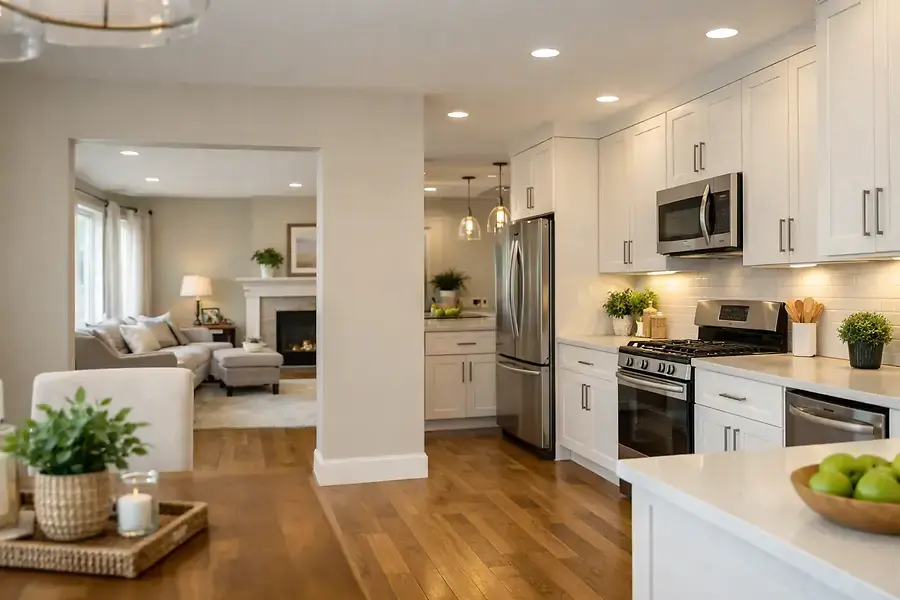
The kitchen remains one of the most important spaces for home buyers. A modern, functional kitchen can increase your home's value by 4-8% and is often the deciding factor in purchase decisions. Focus on practical upgrades rather than luxury indulgences:
- Replacing outdated cabinets with contemporary styles and hardware
- Installing new countertops in neutral, durable materials like quartz or granite
- Upgrading to stainless steel appliances that complement modern aesthetics
- Improving lighting with under-cabinet and overhead fixtures
- Refreshing backsplash with clean, neutral tile designs
Bathroom Renovations
Bathrooms are another critical selling point. Updated bathrooms can return 50-80% of renovation costs at resale. Prioritize these improvements:
- Replacing old fixtures with modern, water-efficient options
- Updating tile work and grout in showers and around tubs
- Installing new vanities with adequate storage
- Improving ventilation to prevent moisture issues
- Adding quality lighting and mirrors for a spa-like feel
Energy-Efficient Upgrades
Today's buyers prioritize energy efficiency and lower utility costs. These investments appeal to environmentally conscious purchasers and those seeking long-term savings:
- HVAC System Replacement: A modern, efficient heating and cooling system can return 50-100% of costs
- Insulation and Weatherization: Improved insulation, sealed air leaks, and weatherstripping reduce energy consumption
- Window Upgrades: Energy-efficient windows reduce heating and cooling costs while improving comfort
- Solar Panels: While expensive upfront, solar installations increasingly attract eco-conscious buyers
- Water Heater Upgrades: Tankless or high-efficiency models appeal to cost-conscious buyers
Curb Appeal and Exterior Work
First impressions matter tremendously. Buyers form opinions within seconds of arriving at your property, making exterior improvements crucial:
- Fresh exterior paint in neutral, attractive colors
- Landscaping improvements including mulch, plants, and lawn care
- New roofing or roof repairs to ensure structural integrity
- Updated front door and hardware for a welcoming entrance
- Pressure washing to clean siding, driveway, and walkways
Flooring Replacements
Worn or outdated flooring is an immediate turnoff for buyers. Quality flooring upgrades can return 70-80% of costs. Consider these options:
- Hardwood flooring in main living areas
- Durable tile in kitchens and bathrooms
- Neutral carpet in bedrooms
- Consistent flooring throughout to create visual flow
Common Mistakes Residential Sellers Make When Upgrading Their Homes
Over-Personalizing Your Space
Your personal taste may not align with buyer preferences. Avoid bold paint colors, niche design choices, and highly personalized décor. Stick to neutral palettes that allow buyers to envision their own lives in the space.
Remember: you're selling to the broadest possible audience, not decorating for yourself.
Choosing Luxury Over Practicality
High-end finishes and luxury upgrades rarely return their full investment. A $50,000 marble countertop won't increase your home's value proportionally. Instead, invest in quality mid-range materials that look excellent and perform well without excessive cost.
Neglecting Necessary Repairs
Cosmetic upgrades cannot mask underlying problems. Address structural issues, plumbing problems, electrical concerns, and roof damage before listing. Buyers will discover these issues during inspections, and unresolved problems can kill deals or significantly reduce offers.
Ignoring the Local Market
Home improvement priorities vary by location and buyer demographics. Research your local market to understand what upgrades resonate most with buyers in your area. A luxury pool might be essential in one neighborhood but unnecessary in another.
Spreading Resources Too Thin
Attempting numerous small projects often yields less impact than focusing resources on 2-3 major, high-ROI renovations. Prioritize strategically rather than trying to update everything at once.
Failing to Plan for Resale During Renovation
Avoid trendy designs that may feel dated quickly. Choose timeless styles, neutral colors, and classic finishes that will appeal to buyers for years to come. What's fashionable today may look outdated within a few years.
Conclusion: Preparing Your Home for Maximum Market Appeal
Maximizing your home's resale value requires strategic thinking and informed decision-making. Focus on high-ROI improvements that address buyer priorities: modern kitchens and bathrooms, energy efficiency, curb appeal, and quality flooring. Avoid common pitfalls like over-personalization, luxury indulgences, and neglected repairs.
Before beginning any renovation project, assess your home's current condition, research your local market, and consult with a real estate professional about which upgrades will deliver the best returns. By investing wisely in improvements that matter most to buyers, you'll position your home for a faster sale at the highest possible price.
The goal isn't perfection—it's creating a clean, modern, well-maintained home that appeals to the broadest range of potential buyers. When you prioritize strategically, your home improvements become investments that pay dividends at the closing table.


