Maximizing Returns: Investment Strategies for Mixed-Use Properties in SC
Discover proven tactics for evaluating and profiting from residential-commercial hybrid developments in West Columbia and Lexington.

Introduction: The Rising Demand for Mixed-Use Investments in South Carolina
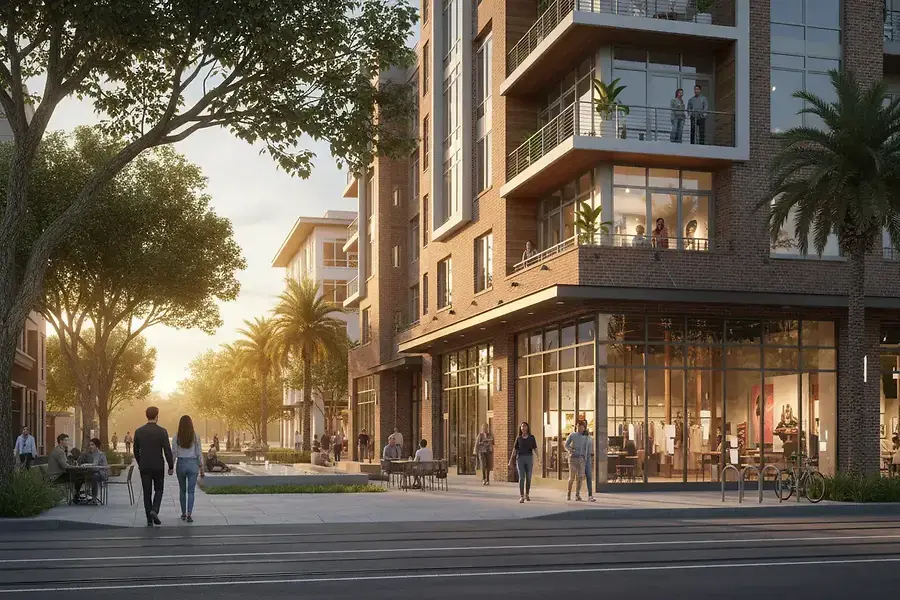
South Carolina's real estate market is experiencing a significant shift toward mixed-use properties, particularly in thriving communities like West Columbia and Lexington. These hybrid developments—combining residential, commercial, and sometimes office spaces under one roof—represent one of the most dynamic investment opportunities available today. The appeal is clear: investors gain exposure to multiple revenue streams while capitalizing on the growing preference for walkable, integrated communities.
The demand for mixed-use properties continues to accelerate as consumers increasingly seek convenient, lifestyle-oriented living spaces. For savvy investors, this trend translates into exceptional profit potential. Understanding how to evaluate, acquire, and manage these properties effectively is the key to building substantial wealth in South Carolina's evolving real estate landscape.
Understanding Mixed-Use Property Fundamentals and Market Dynamics
What Defines a Mixed-Use Property?
A mixed-use property integrates multiple functional uses within a single development or building complex. Typically, these properties combine:
- Residential units – apartments, condominiums, or townhomes
- Retail spaces – shops, restaurants, and service providers
- Office spaces – professional services and corporate offices
- Hospitality amenities – hotels or short-term rental facilities
This diversification creates a self-sustaining ecosystem where residents, workers, and visitors generate consistent foot traffic and revenue across all property components.
Market Dynamics in West Columbia and Lexington
Both West Columbia and Lexington are experiencing robust growth in mixed-use development. West Columbia's revitalization along the Congaree River has attracted significant investment, while Lexington's expanding population and commercial corridors create ideal conditions for hybrid properties. These markets benefit from:
- Strong population growth and demographic diversity
- Increasing urbanization and demand for walkable communities
- Supportive local zoning policies and development incentives
- Rising commercial and residential property values
Investors who understand these dynamics can position themselves ahead of market trends and secure properties with exceptional appreciation potential.
Key Evaluation Criteria: Location, Zoning, and Revenue Potential Analysis
Location Assessment: The Foundation of Success
Proximity to amenities and transportation is paramount when evaluating mixed-use properties. Properties within walking distance of public transportation, schools, restaurants, and entertainment venues command premium prices and attract quality tenants. In West Columbia, proximity to the riverfront and downtown district significantly enhances property value. In Lexington, locations near major commercial corridors and residential neighborhoods are particularly valuable.
Analyze foot traffic patterns, demographic data, and local employment centers. Properties in high-traffic areas with strong daytime and evening activity generate superior retail and restaurant revenues while maintaining higher residential occupancy rates.
Zoning and Regulatory Compliance
Before committing capital, thoroughly investigate zoning classifications and local regulations. Mixed-use properties require specific zoning designations that permit multiple uses. Key considerations include:
- Current zoning classification and permitted uses
- Parking requirements and availability
- Height restrictions and building density limitations
- Setback requirements and architectural guidelines
- Future zoning plans and development pipelines
Pro tip: Engage with local planning departments early. Understanding future zoning changes can reveal opportunities for property repositioning and value appreciation.
Revenue Potential Analysis
Successful mixed-use investments require detailed financial modeling. Evaluate each revenue component independently:
Residential Revenue: Analyze comparable rental rates, occupancy trends, and tenant demand. Mixed-use properties typically achieve higher occupancy rates due to convenience and lifestyle appeal. Research average rents for similar units in West Columbia and Lexington to establish realistic projections.
Commercial Revenue: Assess retail and office lease rates, tenant quality, and lease terms. Anchor tenants—established businesses with strong credit—provide revenue stability. Properties with diverse tenant bases reduce vacancy risk and create resilient income streams.
Operational Efficiency: Mixed-use properties benefit from shared infrastructure and services. Evaluate:
- Shared parking facilities and management costs
- Common area maintenance and utilities
- Security and property management requirements
- Potential for cross-promotional marketing
Properties with efficient operations and lower per-unit costs deliver superior returns to investors.
Market Timing and Growth Projections
Examine local economic indicators, employment growth, and development trends. Properties in emerging neighborhoods with strong growth trajectories offer exceptional appreciation potential. West Columbia's ongoing revitalization and Lexington's expanding commercial base suggest continued property value appreciation.
Smart investors recognize that mixed-use properties aren't just about current income—they're about positioning yourself in markets experiencing structural growth and demographic shifts that drive long-term wealth creation.
Conclusion: Positioning Yourself for Long-Term Wealth in Hybrid Real Estate
Mixed-use properties in South Carolina represent a compelling investment opportunity for those willing to conduct thorough due diligence and understand market fundamentals. Success requires careful evaluation of location, zoning compliance, and realistic revenue projections across all property components.
The investors who thrive in this space combine detailed financial analysis with strategic market positioning. By focusing on high-growth areas like West Columbia and Lexington, understanding local zoning dynamics, and building diversified revenue models, you can create substantial, sustainable wealth through mixed-use real estate investments.
The time to act is now. As South Carolina's mixed-use market continues to mature, early movers who understand these evaluation criteria will capture the greatest returns. Start by identifying promising properties in your target markets, conduct comprehensive financial analysis, and position yourself for long-term success in this dynamic and rewarding investment category.


