Maximizing Returns: Mixed-Use Properties in Dallas-Grand Prairie
A strategic guide to identifying and investing in residential-commercial hybrid properties that maximize returns in the DFW market.

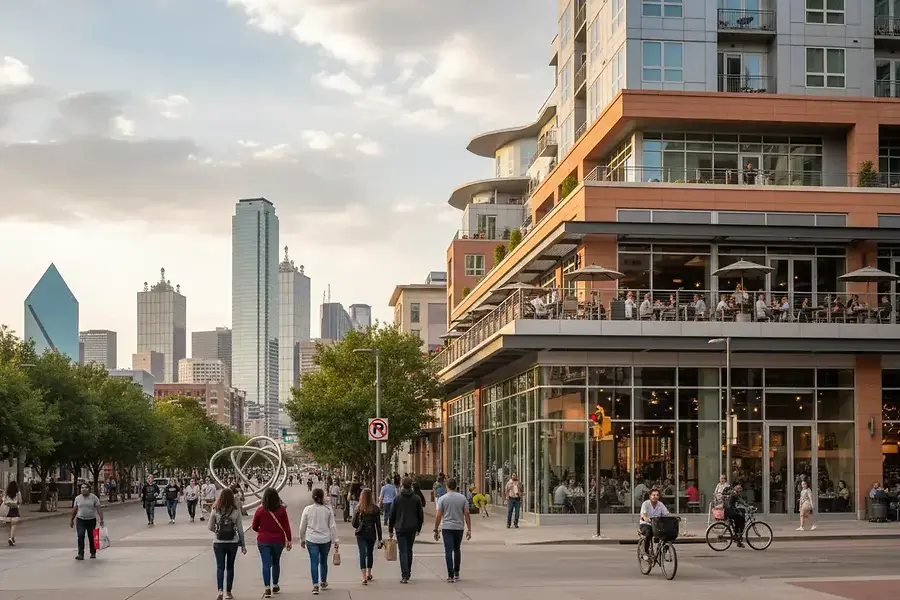
The Rising Demand for Mixed-Use Properties
The Dallas-Fort Worth metropolitan area has experienced unprecedented growth over the past several years, transforming it into one of the nation's most dynamic real estate markets. Within this landscape, mixed-use properties have emerged as a compelling investment opportunity for savvy real estate investors seeking to diversify their portfolios and maximize returns.
Mixed-use properties—developments that combine residential units with commercial spaces—are no longer niche investments. They represent a fundamental shift in how communities are being developed and how investors can capitalize on multiple revenue streams from a single property. The demand for these hybrid properties continues to accelerate as both consumers and businesses recognize the convenience and lifestyle benefits they offer.
What makes the DFW market particularly attractive for mixed-use investments is the region's rapid population growth, strong economic fundamentals, and increasing urbanization. More residents are seeking walkable neighborhoods with integrated living and working spaces, creating ideal conditions for mixed-use developments to thrive.
Understanding Residential-Commercial Hybrid Advantages in DFW
Diversified Revenue Streams
The primary advantage of mixed-use properties is their ability to generate income from multiple sources simultaneously. Residential units provide stable, long-term rental income, while commercial spaces—whether retail, office, or service-oriented—offer higher per-square-foot returns. This diversification reduces risk and creates more resilient investment portfolios.
In the DFW market, where both residential and commercial real estate have shown strong appreciation, this dual-income approach amplifies wealth-building potential. Investors benefit from residential lease stability while capturing commercial space premiums.
Increased Property Valuation
Mixed-use properties typically command higher valuations per square foot compared to single-use properties. The integrated nature of these developments creates premium pricing opportunities. Lenders and appraisers recognize the enhanced value proposition, often resulting in better financing terms and higher property assessments.
Market Resilience
Economic downturns affect residential and commercial markets differently. During recessions, residential properties often maintain steadier occupancy rates, while commercial spaces may experience fluctuations. Conversely, during economic expansions, commercial spaces thrive. Mixed-use properties provide a natural hedge against market volatility.
Operational Synergies
Managing a mixed-use property creates operational efficiencies that single-use properties cannot match. Shared amenities, unified property management, coordinated maintenance schedules, and consolidated utilities reduce per-unit operating costs. These efficiencies directly translate to improved profit margins.
Key Neighborhoods in Dallas and Grand Prairie for Mixed-Use Investment
Dallas: Uptown and Victory Park
Uptown Dallas remains one of the most sought-after mixed-use investment destinations in the region. This vibrant neighborhood combines luxury residential towers with high-end retail, restaurants, and office spaces. The area's walkability, entertainment options, and proximity to downtown make it attractive to both residents and businesses.
Investment considerations for Uptown:
- Strong rental demand from young professionals and empty-nesters
- Premium commercial lease rates
- Consistent property appreciation
- High tenant retention rates
Victory Park, adjacent to the American Airlines Center, offers similar advantages with additional appeal from sports and entertainment venues. The neighborhood's mixed-use developments have demonstrated exceptional performance, with both residential and commercial components maintaining high occupancy rates.
Dallas: Deep Ellum and Lower Greenville
These emerging neighborhoods represent excellent opportunities for investors seeking growth potential. Deep Ellum's transformation into a cultural and entertainment hub has attracted significant mixed-use development. Lower Greenville's walkable streets and eclectic mix of restaurants, bars, and retail create ideal conditions for residential-commercial hybrids.
These areas offer lower entry points compared to established neighborhoods while maintaining strong appreciation trajectories. Early investors in these neighborhoods have captured substantial returns as the areas have matured.
Grand Prairie: Mixed-Use Developments Near Entertainment Districts
Grand Prairie has strategically positioned itself as a mixed-use destination, particularly around entertainment and commercial districts. The city's investment in infrastructure and business-friendly policies has attracted major developers and investors.
Key advantages of Grand Prairie mixed-use investments:
- Lower land costs compared to Dallas proper
- Strong population growth and demographic trends
- Excellent highway accessibility
- Growing commercial demand from regional businesses
- City incentives for mixed-use development
Grand Prairie's strategic location between Dallas and Fort Worth makes it increasingly attractive for businesses seeking to serve both markets, creating robust commercial leasing demand.
Dallas: Bishop Arts District
The Bishop Arts District represents a compelling case study in mixed-use investment success. This neighborhood has evolved from an underutilized area into a thriving cultural destination with galleries, studios, restaurants, and residential lofts. Mixed-use properties here benefit from strong community engagement and consistent foot traffic.
Making Your Mixed-Use Property Decision
Investing in mixed-use properties requires careful analysis and strategic planning. Before committing capital, investors should evaluate several critical factors:
Market Analysis: Understand local demographic trends, employment growth, and commercial demand. The DFW market's continued expansion suggests sustained demand, but neighborhood-specific analysis is essential.
Financial Modeling: Project both residential and commercial income streams separately. Account for different vacancy rates, lease terms, and operating expenses. Conservative projections protect against market downturns.
Location Selection: Proximity to employment centers, transportation hubs, and amenities drives both residential and commercial success. Walkability and accessibility are increasingly important factors.
Property Management: Mixed-use properties demand sophisticated management. Ensure you have access to experienced property management teams familiar with hybrid operations.
Financing Strategy: Mixed-use properties may qualify for specialized financing programs. Work with lenders experienced in these property types to secure favorable terms.
The DFW market presents exceptional opportunities for mixed-use property investors. The region's economic growth, demographic trends, and urbanization patterns create ideal conditions for these hybrid investments to flourish. Whether you're targeting established neighborhoods like Uptown or emerging areas like Deep Ellum, mixed-use properties offer the diversified income streams and growth potential that define successful real estate investing.
By understanding the unique advantages of mixed-use properties and carefully selecting neighborhoods aligned with your investment objectives, you can position yourself to maximize returns in one of America's most dynamic real estate markets.


