Maximizing Returns: The Complete Guide to Mixed-Use Properties in Pittsburgh
Learn how savvy investors are combining residential and commercial spaces to create profitable Pittsburgh real estate portfolios.

The Rise of Mixed-Use Real Estate in Pittsburgh
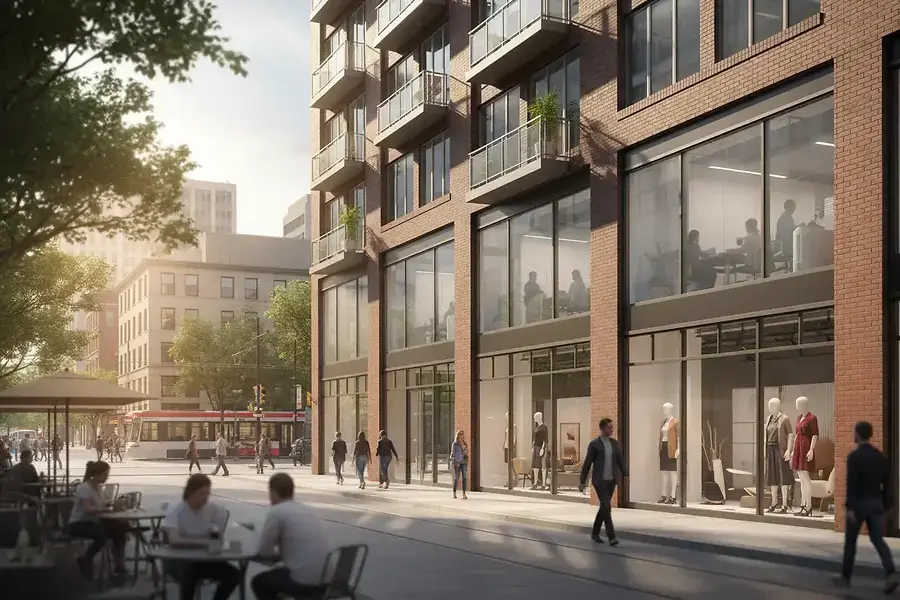
Pittsburgh's real estate landscape is undergoing a significant transformation. Once dominated by single-purpose properties, the city's market is increasingly embracing mixed-use developments that combine residential, commercial, and retail spaces under one roof. This trend reflects a broader shift in how investors and developers approach urban real estate, recognizing that properties serving multiple purposes generate superior returns and create vibrant communities.
The Steel City's renaissance has made it an attractive destination for real estate investors seeking diversification and growth. Mixed-use properties have become the cornerstone of this revival, particularly in neighborhoods like the Strip District, Lawrenceville, and Downtown Pittsburgh. These developments attract both residents and businesses, creating dynamic environments where people live, work, and shop in close proximity.
What makes mixed-use properties particularly compelling for Pittsburgh investors is their ability to weather market fluctuations. When residential demand softens, commercial tenants provide stable income. Conversely, when office space faces challenges, residential units maintain consistent cash flow. This diversification of revenue streams is a game-changer for portfolio stability.
Understanding Mixed-Use Properties: Benefits and Opportunities for Pittsburgh Investors
Revenue Diversification and Income Stability
Mixed-use properties generate income from multiple sources, significantly reducing investment risk. A typical Pittsburgh mixed-use building might feature ground-floor retail or office space, with residential apartments above. This structure ensures that:
- Residential tenants provide long-term, stable rental income
- Commercial tenants often sign longer leases with higher rates
- Retail spaces attract foot traffic that benefits all property users
- Vacancy in one sector doesn't eliminate all income streams
Increased Property Value and Appreciation
Mixed-use properties typically command higher valuations than single-purpose buildings. Investors in Pittsburgh have witnessed substantial appreciation as the city's neighborhoods develop. The combination of residential and commercial appeal attracts a broader pool of buyers and tenants, driving up property values over time.
Banks and lenders also view mixed-use properties more favorably, often offering better financing terms due to the reduced risk profile. This accessibility to capital makes it easier for investors to acquire and develop these properties.
Meeting Market Demand
Pittsburgh residents increasingly prefer walkable neighborhoods where they can live, work, and access services without extensive commuting. Mixed-use properties fulfill this demand perfectly. Young professionals, families, and retirees are drawn to developments that offer convenience and community.
Businesses also benefit from mixed-use environments. Ground-floor retail and office spaces attract customers from the residential population above, creating built-in customer bases. This synergy between residential and commercial tenants creates a thriving ecosystem.
Tax Benefits and Incentives
Pittsburgh and Pennsylvania offer various tax incentives for mixed-use development, including:
- Opportunity Zone benefits for qualifying investments
- Historic preservation tax credits in eligible neighborhoods
- Local property tax abatements for new development
- Commercial property tax deductions for business portions
Savvy investors leverage these incentives to significantly improve their return on investment.
Navigating Pittsburgh's Zoning Laws and Market Dynamics for Residential-Commercial Investments
Understanding Pittsburgh's Zoning Framework
Pittsburgh's zoning regulations have evolved to encourage mixed-use development. The city's zoning code permits mixed-use properties in many neighborhoods, particularly in commercial and transitional zones. However, understanding local zoning requirements is essential before investing.
Key considerations include:
- Zoning district classifications and permitted uses
- Height and setback requirements
- Parking regulations and requirements
- Density limitations and floor-area ratios
- Required variances or conditional use permits
Working with local real estate attorneys and zoning consultants can help investors navigate these requirements efficiently.
Identifying High-Potential Neighborhoods
Not all Pittsburgh neighborhoods are equally suited for mixed-use development. Successful investors focus on areas with:
- Strong population growth and demographic trends
- Proximity to employment centers and transit
- Existing commercial activity and foot traffic
- Community investment and infrastructure improvements
- Reasonable acquisition costs relative to market potential
Neighborhoods like Lawrenceville, the Strip District, and East Liberty have proven particularly successful for mixed-use investments, offering strong fundamentals and growth trajectories.
Managing Operational Complexity
Mixed-use properties require sophisticated management. Unlike single-purpose buildings, they demand expertise in both residential and commercial property management. Successful investors either develop this expertise internally or partner with experienced property management companies familiar with mixed-use operations.
Key management challenges include:
- Balancing the needs of diverse tenant types
- Managing shared amenities and common areas
- Coordinating maintenance across different property sections
- Handling noise and activity concerns between residential and commercial areas
Market Timing and Economic Factors
Pittsburgh's real estate market dynamics continue to evolve. Interest rates, employment trends, and population migration patterns all influence mixed-use property performance. Successful investors stay informed about economic indicators and market conditions, adjusting their strategies accordingly.
The city's diversifying economy—moving beyond steel manufacturing to healthcare, technology, and education—creates stable demand for mixed-use properties that serve these growing sectors.
Building Your Mixed-Use Real Estate Strategy in Pittsburgh
Creating a successful mixed-use real estate strategy requires careful planning and execution. Start by clearly defining your investment goals, whether you're seeking immediate cash flow, long-term appreciation, or a combination of both.
Conduct thorough market research to identify neighborhoods with strong fundamentals and growth potential. Analyze demographic trends, employment patterns, and existing commercial activity. Visit potential properties multiple times at different times of day to understand the neighborhood dynamics.
Develop relationships with local professionals—real estate agents, attorneys, contractors, and property managers—who understand Pittsburgh's market. Their insights and expertise will prove invaluable as you navigate the investment process.
Consider starting with smaller mixed-use properties to gain experience before scaling up to larger developments. This approach allows you to learn operational nuances while building your track record and reputation.
Finally, remain flexible and adaptable. Market conditions change, neighborhoods evolve, and tenant needs shift. The most successful mixed-use property investors continuously monitor their portfolios, adjust their strategies, and capitalize on emerging opportunities.
Mixed-use properties represent a compelling opportunity for Pittsburgh investors seeking to maximize returns while contributing to the city's continued revitalization. By understanding the benefits, navigating local regulations, and implementing sound investment strategies, you can build a profitable and resilient real estate portfolio in the Steel City.


