Maximizing Returns with Mixed-Use Properties in Central Valley, NY
Discover how residential-commercial properties are reshaping investment returns and community growth in Central Valley, NY.

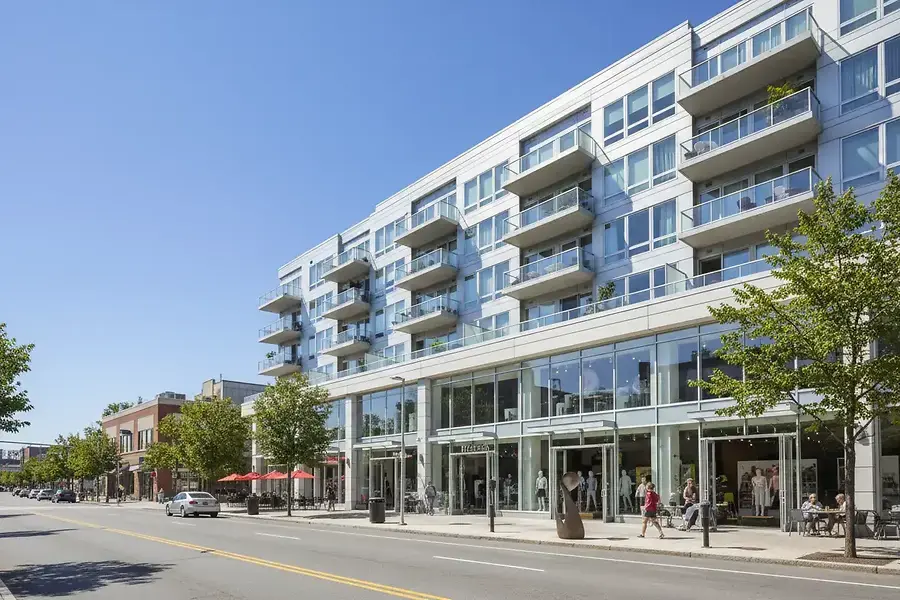
The Rise of Mixed-Use Properties in Central Valley
Central Valley, NY is experiencing a remarkable transformation in its real estate landscape. The emergence of mixed-use properties—developments that seamlessly blend residential, commercial, and sometimes recreational spaces—has become a game-changer for investors seeking diversified income streams and sustainable growth. This shift represents more than just a trend; it reflects a fundamental change in how communities develop and how investors approach real estate opportunities.
The appeal of mixed-use properties lies in their versatility and resilience. Unlike traditional single-purpose real estate, these properties generate revenue from multiple sources, reducing risk and creating more stable long-term investments. In Central Valley, this model has attracted both seasoned investors and newcomers looking to capitalize on the region's growing demand for integrated urban living spaces.
Understanding Residential-Commercial Property Benefits and Market Demand
Dual Revenue Streams
One of the most compelling advantages of mixed-use properties is the ability to generate income from both residential and commercial tenants. Residential units provide steady, predictable rental income, while commercial spaces—whether retail, offices, or service providers—offer higher profit margins. This diversification creates a buffer against market fluctuations and vacancy rates that might devastate single-use properties.
Key benefits include:
- Increased cash flow from multiple tenant types
- Higher overall property valuation
- Reduced vacancy risk through tenant diversity
- Enhanced property appeal to a broader range of investors
- Greater flexibility in adapting to market changes
Growing Community Demand
Central Valley residents increasingly prefer walkable neighborhoods where they can live, work, and shop without extensive commuting. This preference has created strong demand for mixed-use developments that offer convenience and community integration. Young professionals, families, and retirees alike are drawn to properties that provide lifestyle amenities alongside residential comfort.
The commercial component of these properties often includes:
- Retail shops and restaurants
- Professional office spaces
- Health and wellness services
- Entertainment venues
- Co-working spaces
Economic Impact and Community Growth
Mixed-use properties serve as catalysts for neighborhood revitalization. They attract foot traffic, support local businesses, and create employment opportunities. In Central Valley, these developments have transformed previously underutilized areas into vibrant community hubs, increasing property values across entire neighborhoods and generating tax revenue for local municipalities.
Strategic Investment Considerations for Mixed-Use Real Estate
Market Analysis and Location Selection
Success in mixed-use real estate begins with thorough market research. Investors must evaluate demographic trends, population growth, employment centers, and transportation accessibility. Central Valley's strategic location near major employment hubs and transportation corridors makes it particularly attractive for mixed-use development. Understanding local zoning regulations and development plans is equally critical for identifying prime investment opportunities.
Financial Planning and ROI Projections
Mixed-use properties require more complex financial analysis than traditional real estate. Investors should project separate revenue streams for residential and commercial components, accounting for different lease terms, tenant turnover rates, and maintenance costs. Consider these financial metrics:
- Capitalization rates for each property component
- Debt service coverage ratios
- Tenant mix and lease stability
- Operating expense ratios
- Long-term appreciation potential
Properties in Central Valley have demonstrated strong appreciation, with mixed-use developments outperforming single-use properties by an average margin that reflects their enhanced value proposition.
Tenant Management and Operational Excellence
Managing mixed-use properties requires expertise in handling diverse tenant types with different needs and expectations. Residential tenants prioritize maintenance and community amenities, while commercial tenants focus on foot traffic, visibility, and operational support. Successful investors implement comprehensive property management systems that address these varied requirements while maintaining profitability.
Effective management strategies include:
- Dedicated property management teams familiar with mixed-use operations
- Clear lease agreements tailored to each tenant type
- Regular maintenance schedules and preventive care
- Community engagement programs
- Technology integration for efficient operations
Risk Mitigation and Market Resilience
While mixed-use properties offer diversification benefits, investors must still implement risk management strategies. Economic downturns can affect both residential and commercial components, though typically at different rates. Maintaining adequate reserves, securing quality tenants with strong credit profiles, and diversifying within the commercial component can help weather market challenges.
"Mixed-use properties represent the future of real estate investment in Central Valley. They offer investors the opportunity to participate in community growth while building resilient, income-generating assets."
Positioning Yourself as the Mixed-Use Real Estate Expert
For investors looking to maximize returns in Central Valley's dynamic market, expertise in mixed-use properties is increasingly valuable. Success requires understanding market fundamentals, mastering financial analysis, and developing operational excellence in property management. The investors who thrive in this space combine data-driven decision-making with a genuine commitment to creating vibrant communities.
Central Valley's mixed-use real estate market continues to evolve, presenting opportunities for informed investors who understand both the financial mechanics and community impact of these properties. By focusing on strategic location selection, comprehensive financial planning, and operational excellence, investors can position themselves to achieve superior returns while contributing to the region's sustainable growth and development.
The future of real estate investment in Central Valley belongs to those who recognize that the best returns come from properties that serve multiple purposes, generate diverse income streams, and create genuine value for both investors and communities.


