Maximizing Returns with Mixed-Use Properties in Middle Tennessee Markets
A practical guide for investors considering residential and commercial opportunities in Franklin, Spring Hill, and Nashville.

Understanding Mixed-Use Property Benefits and Market Demand
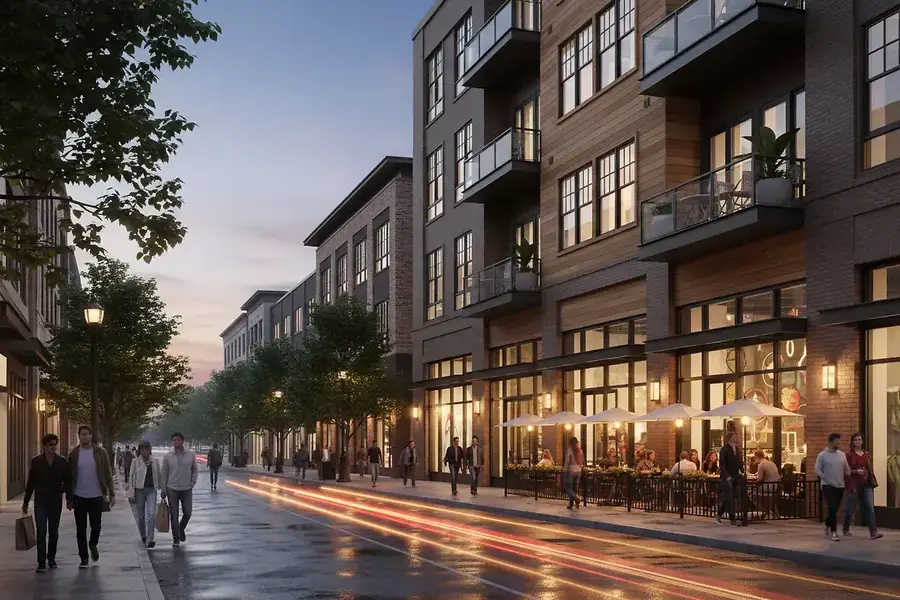
Mixed-use properties represent one of the most dynamic investment opportunities in the real estate market today. These properties combine residential, commercial, and sometimes retail spaces under one roof, creating a diversified income stream that traditional single-use properties cannot match.
The primary advantage of mixed-use properties is income diversification. Rather than relying on a single tenant or revenue source, investors benefit from multiple income streams. A property with apartments above retail shops generates revenue from both residential leases and commercial tenants, reducing vacancy risk and stabilizing cash flow.
Market Demand in Middle Tennessee
Middle Tennessee has experienced remarkable growth over the past several years. The region's expanding population, thriving business environment, and attractive quality of life have created exceptional demand for mixed-use developments. Urban professionals increasingly prefer walkable neighborhoods with convenient access to shopping, dining, and entertainment—exactly what mixed-use properties provide.
Key benefits of mixed-use properties include:
- Multiple revenue streams from residential and commercial tenants
- Higher occupancy rates due to diverse tenant bases
- Increased property values in high-demand urban areas
- Tax advantages through depreciation on both residential and commercial components
- Reduced vacancy risk when one sector experiences downturns
Evaluating Location-Specific Opportunities Across Franklin, Spring Hill, and Nashville
Franklin: Premium Market Positioning
Franklin has established itself as one of Tennessee's most desirable communities. The downtown area, in particular, offers exceptional mixed-use opportunities. Historic buildings are being renovated into modern mixed-use spaces, combining upscale residential lofts with boutique retail and restaurants. The strong demographic profile—affluent residents with high disposable income—supports premium pricing for both residential and commercial components.
Franklin's advantages: Strong school system, historic charm, established commercial base, and consistent property appreciation.
Spring Hill: Emerging Growth Market
Spring Hill represents the emerging opportunity in Middle Tennessee. Rapid population growth and new commercial development create ideal conditions for mixed-use investments. Properties here typically offer better entry prices than Franklin while maintaining strong appreciation potential. The younger demographic and growing business community support both residential demand and commercial tenant interest.
Spring Hill's advantages: Affordable entry points, rapid growth trajectory, new infrastructure development, and strong future appreciation potential.
Nashville: Urban Density and Scale
Nashville's urban core offers the highest density of mixed-use opportunities. The city's thriving music industry, healthcare sector, and technology companies create robust commercial demand. Neighborhoods like The Gulch, East Nashville, and Downtown Nashville provide premium mixed-use development sites. While entry costs are higher, the scale of potential returns and tenant quality justify the investment.
Nashville's advantages: Large tenant pool, strong economic fundamentals, diverse industry base, and significant appreciation potential.
Financial Considerations and Investment Potential for Residential/Commercial Ventures
Analyzing Financial Performance
Mixed-use properties require sophisticated financial analysis. Investors must evaluate residential rental income separately from commercial lease rates. Commercial leases typically generate higher per-square-foot income but may have longer vacancy periods. Residential components provide steadier, more predictable cash flow.
Key financial metrics to consider:
- Cap Rate: Evaluate based on blended income from all property components
- Debt Service Coverage Ratio: Ensure sufficient cash flow to cover mortgage payments
- Tenant Mix: Analyze stability and creditworthiness of both residential and commercial tenants
- Operating Expenses: Mixed-use properties often have higher maintenance costs due to complexity
- Appreciation Potential: Research neighborhood development plans and demographic trends
Financing Mixed-Use Properties
Financing mixed-use properties differs from traditional real estate loans. Lenders evaluate these properties based on blended income and may require higher down payments—typically 20-25%. Working with lenders experienced in mixed-use financing is essential to secure favorable terms and navigate the more complex underwriting process.
Consider these financing options:
- Conventional loans from banks experienced with mixed-use properties
- SBA loans for owner-occupied commercial components
- Portfolio loans from specialized lenders
- Partnerships and syndication for larger projects
Return Expectations
Mixed-use properties in Middle Tennessee typically offer cap rates ranging from 5-8%, depending on location and property condition. When combined with appreciation potential in this growing market, total returns often exceed 10-12% annually. Franklin properties command premium pricing with slightly lower cap rates but stronger appreciation. Spring Hill offers higher cap rates with strong appreciation potential. Nashville provides moderate cap rates with significant long-term appreciation.
Getting Started: Steps to Finding Your Ideal Mixed-Use Property
Step 1: Define Your Investment Criteria
Before searching, establish clear investment parameters. Determine your target location, desired property size, acceptable cap rate, and required cash flow. Decide whether you prefer stabilized properties generating immediate income or value-add opportunities requiring renovation and repositioning.
Step 2: Build Your Team
Successful mixed-use investing requires expert guidance. Assemble a team including:
- Real estate agent specializing in mixed-use properties
- Commercial real estate broker for tenant analysis
- CPA experienced with real estate investments
- Real estate attorney familiar with mixed-use transactions
- Property manager experienced with mixed-use operations
Step 3: Conduct Thorough Due Diligence
Evaluate properties comprehensively. Analyze current tenant leases, occupancy rates, and lease expiration schedules. Review operating expenses, maintenance records, and capital improvement needs. Assess neighborhood demographics, competition, and future development plans. Understand zoning regulations and any restrictions affecting the property.
Step 4: Evaluate Market Timing
Middle Tennessee's real estate market remains favorable for mixed-use investments. Population growth continues, commercial development accelerates, and property values appreciate steadily. However, specific neighborhoods and property types may present better opportunities than others. Work with your team to identify the optimal timing for your target market.
Step 5: Negotiate and Close
Mixed-use property negotiations often involve multiple stakeholders—residential tenants, commercial tenants, and sellers. Patience and flexibility are essential. Ensure all lease terms are clearly documented and that you understand existing tenant obligations. Conduct thorough inspections of both residential and commercial components before closing.
Conclusion
Mixed-use properties in Middle Tennessee offer compelling investment opportunities for sophisticated investors. Whether you choose the premium positioning of Franklin, the emerging growth of Spring Hill, or the urban scale of Nashville, mixed-use properties provide diversified income, strong appreciation potential, and reduced risk compared to single-use properties. By following these steps and working with experienced professionals, you can identify and acquire properties that maximize returns while building long-term wealth in one of America's most dynamic real estate markets.


