Maximizing ROI: Commercial Real Estate Opportunities in South Florida
Discover why South Florida's thriving business landscape is attracting savvy investors seeking high-yield commercial and mixed-use properties.

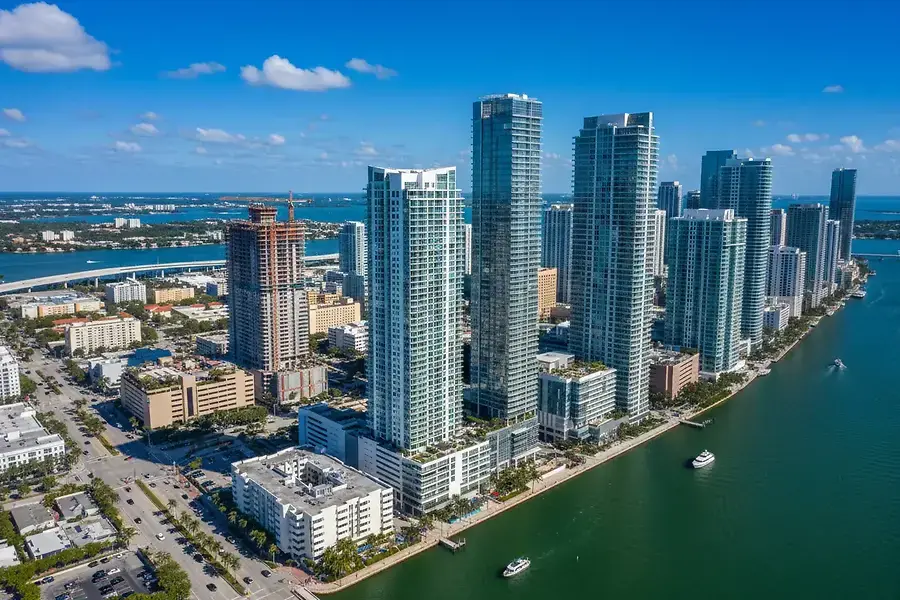
Understanding South Florida's Commercial Real Estate Market Fundamentals
South Florida has emerged as one of the most dynamic commercial real estate markets in the United States. The region's robust economic growth, strategic geographic location, and business-friendly environment create an ideal landscape for investors seeking substantial returns. With a population exceeding 6 million residents and continuous influx of businesses relocating from other states, the demand for commercial properties remains exceptionally strong.
The market fundamentals supporting South Florida's commercial real estate boom include:
- Population Growth: Steady demographic expansion drives demand for office, retail, and industrial spaces
- Business Relocation: Major corporations continue moving headquarters and operations to South Florida for favorable tax policies and quality of life
- Tourism and Hospitality: The region's world-class tourism industry creates ancillary commercial opportunities
- International Trade: Port of Miami and Miami International Airport position the region as a global commerce hub
- Technology and Innovation: Growing tech sector attracts venture capital and startup ecosystems
These fundamentals translate into consistent appreciation rates and strong rental demand, making South Florida an attractive destination for both institutional and individual investors.
Key Commercial Districts and Emerging Investment Zones in Miami-Dade County
Established Commercial Hubs
Miami-Dade County hosts several premier commercial districts that have established themselves as investment powerhouses. Brickell remains the financial center of South Florida, featuring high-rise office towers, luxury retail, and upscale residential components. The district's walkable urban environment and concentration of financial institutions make it ideal for investors targeting premium office space.
Downtown Miami continues its transformation with mixed-use developments combining office, retail, and residential components. The revitalization efforts have attracted major corporations and created significant appreciation opportunities for forward-thinking investors.
Emerging Investment Zones
Beyond established districts, several emerging zones present exceptional value opportunities:
- Wynwood: Once an industrial area, now a vibrant creative district with converted warehouses, galleries, and trendy retail spaces
- Allapattah: Undervalued neighborhood experiencing rapid gentrification with strong development potential
- Buena Vista: Emerging mixed-use destination attracting young professionals and entrepreneurs
- Midtown Miami: Mixed-use development combining retail, office, and residential in a pedestrian-friendly environment
These emerging zones offer investors the opportunity to capitalize on early-stage appreciation before properties reach peak valuations.
Evaluating Property Types: Office, Retail, Industrial, and Mixed-Use Developments
Office Properties
South Florida's office market benefits from corporate relocations and business expansion. Class A office space in premium locations commands strong rental rates and attracts institutional tenants. Consider properties in Brickell, Downtown Miami, and emerging tech corridors. The shift toward flexible work arrangements has created opportunities in Class B and C properties that can be repositioned for co-working and startup spaces.
Retail Properties
Retail real estate in South Florida ranges from street-level storefronts to major shopping centers. Mixed-use retail properties that combine ground-floor retail with upper-level office or residential units offer superior returns. The region's tourism and affluent population support high-end retail, while emerging neighborhoods present value-add opportunities in neighborhood retail.
Industrial Properties
The industrial sector has experienced remarkable growth driven by e-commerce expansion and international trade. Warehouse and logistics facilities near ports and airports command premium rents. Properties suitable for last-mile delivery operations and fulfillment centers represent particularly strong investment opportunities with long-term lease stability.
Mixed-Use Developments
Mixed-use properties combining office, retail, and residential components offer diversified income streams and resilience against market fluctuations. These developments appeal to modern tenants seeking integrated urban environments and provide investors with multiple revenue sources from a single asset.
Strategic Steps to Identifying and Securing Your Next Commercial Investment
Conduct Comprehensive Market Analysis
Begin by analyzing market trends, vacancy rates, rental growth, and cap rates across different property types and locations. Identify undervalued markets with strong fundamentals but lower current valuations. Study demographic trends, employment growth, and planned infrastructure projects that could drive future appreciation.
Evaluate Property-Specific Metrics
For each potential investment, analyze:
- Tenant Quality: Assess creditworthiness and lease stability of current or prospective tenants
- Lease Terms: Review lease lengths, renewal options, and rent escalation clauses
- Operating Expenses: Evaluate property taxes, insurance, maintenance costs, and management fees
- Cap Rate and Cash Flow: Calculate expected returns and cash-on-cash returns
- Value-Add Potential: Identify opportunities for rent increases, tenant improvements, or repositioning
Leverage Local Expertise
Partner with experienced commercial real estate brokers, property managers, and legal advisors familiar with South Florida's market. Local expertise proves invaluable in navigating zoning regulations, understanding neighborhood trajectories, and identifying off-market opportunities.
Develop a Strategic Acquisition Plan
Create a disciplined investment strategy aligned with your financial goals and risk tolerance. Set clear acquisition criteria regarding property type, location, price range, and return targets. Establish relationships with lenders, investors, and deal sources to access opportunities before they reach the open market.
Execute Due Diligence
Conduct thorough inspections, environmental assessments, and title reviews. Verify zoning compliance, building permits, and any pending litigation. Analyze historical financial performance and project future performance under various economic scenarios.
Negotiate and Close Strategically
Use market data and financial analysis to support negotiations. Consider creative deal structures such as seller financing, earnouts, or partnership arrangements that align interests and reduce risk. Ensure all agreements include appropriate contingencies and exit strategies.
South Florida's commercial real estate market presents exceptional opportunities for investors willing to conduct thorough analysis and execute disciplined strategies. By understanding market fundamentals, identifying emerging zones, evaluating diverse property types, and following systematic acquisition processes, investors can maximize returns while building resilient, income-producing portfolios in one of America's most dynamic business regions.


