Maximizing ROI in Southern California's Hybrid Property Market
Strategic insights for investing in mixed-use residential and commercial properties across Orange and Inland Empire counties.

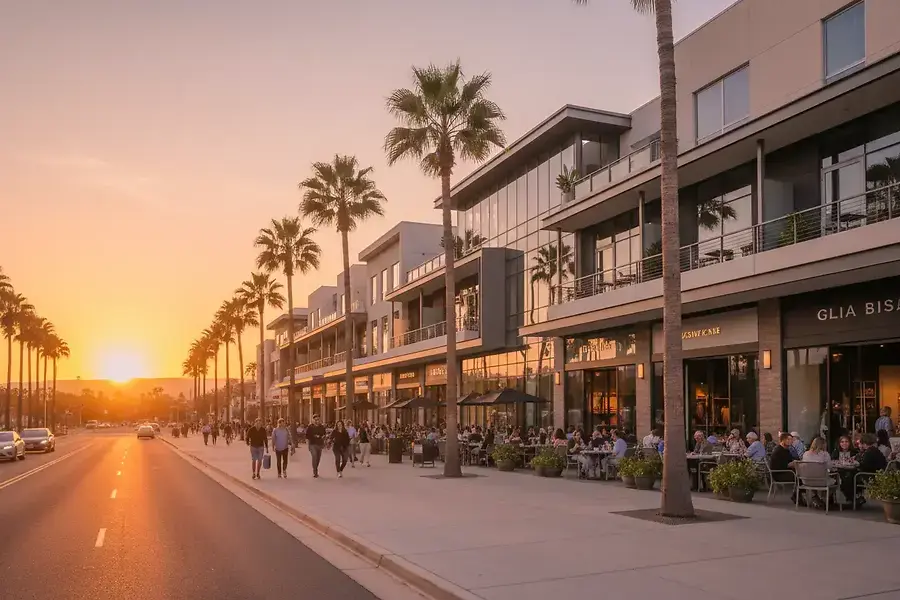
The Rise of Hybrid Property Investments in Southern California
Southern California's real estate landscape is undergoing a significant transformation. The traditional divide between residential and commercial properties is blurring, creating unprecedented opportunities for savvy investors. Hybrid properties—mixed-use developments that combine residential units with retail, office, or hospitality spaces—are reshaping how investors approach portfolio diversification and income generation.
This shift isn't accidental. Changing consumer preferences, remote work trends, and the demand for walkable communities have created a perfect storm of opportunity. Properties that once seemed niche are now mainstream, attracting institutional investors, REITs, and individual portfolio managers seeking higher returns and greater resilience against market volatility.
The Orange County and Inland Empire regions have emerged as epicenters for this transformation, offering a unique combination of demographic growth, economic diversity, and development potential that traditional markets can no longer match.
Understanding Mixed-Use Market Dynamics: Why Hybrid Properties Outperform Traditional Investments
Revenue Diversification and Stability
The fundamental advantage of hybrid properties lies in their ability to generate multiple revenue streams from a single asset. While a traditional apartment building depends entirely on residential rental income, a mixed-use property can balance residential leases with commercial tenant agreements, reducing vacancy risk and stabilizing cash flow.
Consider this scenario: if residential occupancy dips to 85%, strong commercial tenancy can offset the loss. This diversification creates a natural hedge against market downturns, making hybrid properties particularly attractive during economic uncertainty.
Higher Capitalization Rates and Appreciation Potential
Mixed-use properties typically command higher cap rates than single-use alternatives, reflecting both their complexity and their income-generating potential. More importantly, the value appreciation trajectory differs significantly. Properties that serve multiple community functions tend to appreciate faster as neighborhoods develop and demand for walkable, mixed-use spaces intensifies.
Investors in Orange County have witnessed firsthand how strategic hybrid properties appreciate 15-25% faster than comparable single-use assets over a five-year period, driven by both rental income growth and property value appreciation.
Tenant Quality and Lease Stability
Commercial tenants in mixed-use properties tend to be established businesses with longer lease terms and stronger credit profiles. This creates a stabilizing effect on the overall property, as commercial leases often span 5-10 years with built-in escalation clauses, providing predictable long-term income.
Residential tenants benefit from the convenience of ground-floor amenities, creating a premium rental environment that justifies higher rents and attracts quality occupants.
Location Analysis: High-Potential Corridors from Upland to Newport Beach
The Inland Empire Advantage: Upland and San Bernardino
The Inland Empire represents one of Southern California's most dynamic investment regions. Upland, positioned strategically along the I-10 corridor, has transformed from a bedroom community into a vibrant mixed-use destination. Properties here benefit from:
- Lower acquisition costs compared to coastal markets
- Strong population growth and demographic diversity
- Increasing demand for local retail and service businesses
- Proximity to major transportation hubs and logistics centers
San Bernardino's downtown revitalization efforts have created exceptional opportunities for hybrid property investors willing to participate in community transformation. Early movers in these markets have seen returns that rival or exceed coastal properties, with significantly lower entry costs.
Orange County's Established Mixed-Use Corridors
Orange County presents a different investment profile—one of established demand and proven market stability. Key corridors include:
- Irvine's Spectrum District: A mature mixed-use market with strong commercial anchors and premium residential components
- Santa Ana's Arts District: Emerging cultural destination attracting younger demographics and creative businesses
- Costa Mesa's South Coast Metro: Premium mixed-use environment with high-end retail and luxury residential
- Newport Beach's Fashion Island Area: Ultra-premium market combining luxury retail with high-end residential
These established markets offer lower risk profiles but require larger capital commitments. The trade-off is predictable, stable returns with strong appreciation potential in premium locations.
The Emerging Opportunity Zone: Riverside and Temecula
Forward-thinking investors are increasingly looking at Riverside and Temecula, where hybrid property development is still in its early stages. These regions offer the best of both worlds: lower acquisition costs similar to Upland, combined with rapidly improving infrastructure and demographic tailwinds.
Properties in these emerging markets may offer 20-30% appreciation potential over five years as the regions mature and demand for mixed-use spaces grows.
Positioning Your Portfolio for Long-Term Growth in Hybrid Real Estate
Strategic Acquisition Framework
Successful hybrid property investing requires a disciplined approach. Consider this framework:
- Market Selection: Balance between established markets (lower risk) and emerging corridors (higher growth potential)
- Property Analysis: Evaluate both residential and commercial components separately, then assess synergistic value
- Tenant Mix: Prioritize properties with complementary commercial tenants that enhance residential appeal
- Capital Structure: Ensure financing aligns with the property's dual income streams
Risk Management Considerations
While hybrid properties offer significant advantages, they require sophisticated management. Investors must understand both residential and commercial leasing dynamics, maintain separate accounting for each revenue stream, and plan for the complexity of managing diverse tenant bases.
Working with experienced property managers familiar with mixed-use assets is essential. The operational complexity is higher, but the financial rewards justify the investment in professional management.
The Path Forward
Southern California's hybrid property market represents one of the most compelling real estate opportunities available to investors today. The convergence of demographic trends, changing work patterns, and community preferences has created a structural shift in how properties are developed and valued.
Investors who understand these dynamics and position their portfolios strategically—whether in the proven markets of Orange County or the emerging opportunities of the Inland Empire—are positioning themselves for substantial long-term wealth creation.
The question isn't whether to invest in hybrid properties, but rather which markets and properties align best with your investment timeline, risk tolerance, and capital availability. The time to act is now, before these opportunities become fully priced into the market.


