Maximizing ROI on Minneapolis Industrial Properties: A Strategic Guide
Strategic insights for commercial investors evaluating warehouse and manufacturing assets in Minnesota's competitive market.

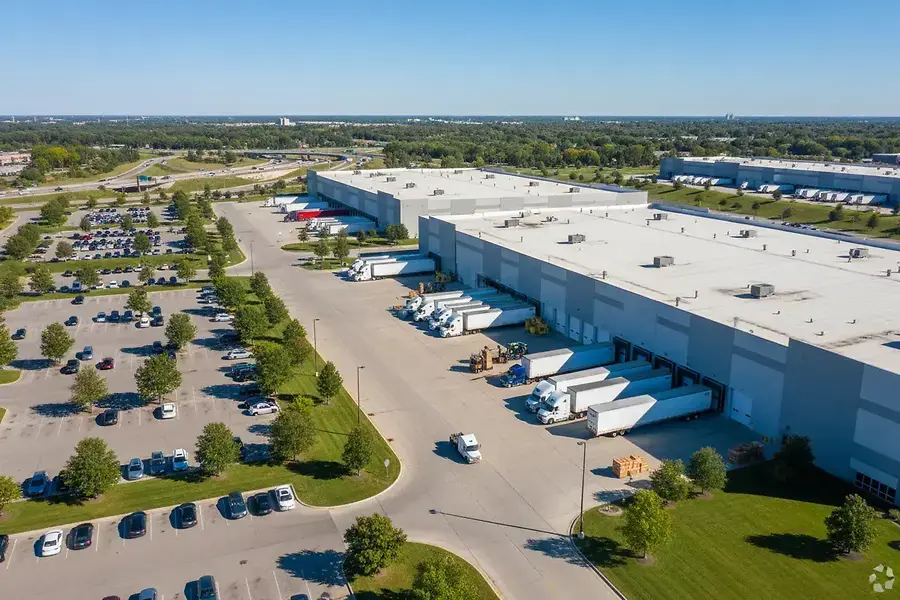
Why Industrial Real Estate Drives Commercial Portfolio Growth
Industrial real estate has emerged as one of the most compelling investment opportunities for commercial portfolio diversification. Unlike residential properties, industrial assets—including warehouses, manufacturing facilities, and distribution centers—offer investors stable cash flows, longer lease terms, and resilience during economic fluctuations. Minneapolis, as a major logistics and manufacturing hub in the Upper Midwest, presents exceptional opportunities for investors seeking to capitalize on this growing sector.
The appeal of industrial properties lies in their fundamental characteristics. Tenants typically sign multi-year leases, providing predictable income streams. Additionally, industrial properties often require less active management compared to retail or office spaces, making them attractive for investors seeking passive income. The Minneapolis market, in particular, benefits from its strategic location, robust transportation infrastructure, and growing demand for warehouse space driven by e-commerce expansion.
Minneapolis Industrial Property Trends and Demand Drivers
Market Growth and E-Commerce Impact
The Minneapolis industrial market has experienced significant growth, driven primarily by the explosive expansion of e-commerce and last-mile delivery services. Major retailers and logistics companies continue to establish distribution centers throughout the Twin Cities region, creating sustained demand for quality warehouse space. This trend shows no signs of slowing, as consumer expectations for faster delivery times push companies to expand their regional fulfillment networks.
Key Demand Drivers
- E-commerce Growth: Online retail expansion requires extensive warehouse and distribution infrastructure
- Supply Chain Resilience: Companies are diversifying supply chains and establishing regional distribution hubs
- Manufacturing Renaissance: Nearshoring trends are bringing manufacturing operations closer to consumer markets
- Transportation Hub Status: Minneapolis's central location and excellent highway connectivity make it ideal for logistics operations
Vacancy Rates and Rental Growth
The Minneapolis industrial market maintains healthy fundamentals with competitive vacancy rates and steady rental growth. As supply struggles to keep pace with demand, property owners benefit from rental rate appreciation. This dynamic creates an excellent environment for investors to acquire properties with strong income potential and capital appreciation prospects.
Evaluating Location, Tenant Quality, and Long-Term Value
Location Strategy: The Foundation of Success
When evaluating industrial properties in Minneapolis, location remains paramount. Proximity to major transportation corridors—including Interstate 494, Interstate 94, and Highway 169—significantly impacts property value and tenant desirability. Properties near these arteries command premium rents and attract higher-quality tenants. Additionally, consider proximity to the Minneapolis-St. Paul International Airport and rail connections, which enhance logistics capabilities.
Evaluate neighborhoods with strong fundamentals: established industrial parks, proximity to labor markets, and access to utilities and infrastructure. Properties in emerging industrial corridors may offer value opportunities, but established areas provide more stability and predictable returns.
Tenant Quality Assessment
The quality of your tenant directly impacts investment returns. Prioritize properties leased to creditworthy, established companies with strong balance sheets and stable operations. National logistics providers, major retailers, and established manufacturers represent lower-risk tenants. Assess tenant financial health, industry trends, and lease terms carefully.
- Review tenant credit ratings and financial statements
- Evaluate industry stability and growth prospects
- Analyze lease terms, renewal options, and escalation clauses
- Consider tenant diversification to reduce concentration risk
Long-Term Value Creation
Beyond current cash flow, evaluate properties for long-term appreciation potential. Properties with value-add opportunities—such as those requiring minor renovations, efficiency improvements, or lease restructuring—can generate significant returns. Consider the property's physical condition, age, and potential for capital improvements that justify rent increases.
Look for properties in growth corridors where land values are appreciating and new development is occurring. These areas often experience rental rate growth exceeding inflation, providing natural hedge against economic uncertainty. Additionally, properties with flexible layouts suitable for multiple industrial uses offer greater resilience and tenant appeal.
Financial Metrics and Analysis
Conduct thorough financial analysis before committing capital. Key metrics include:
- Cap Rate: Ensure yields align with risk profile and market conditions
- Cash-on-Cash Return: Evaluate annual cash flow relative to equity invested
- Debt Service Coverage Ratio: Confirm property generates sufficient income to cover financing costs
- Net Operating Income (NOI): Assess operational efficiency and profitability
Building Wealth Through Strategic Industrial Real Estate Investments
Successful industrial real estate investing in Minneapolis requires a strategic, disciplined approach. Start by establishing clear investment criteria—target markets, property types, tenant profiles, and return expectations. This framework guides decision-making and prevents emotional purchases that underperform.
Develop relationships with local brokers, property managers, and lenders who understand the Minneapolis market dynamics. These connections provide access to off-market deals, market intelligence, and operational expertise that enhance investment success. Additionally, consider partnering with experienced co-investors or syndicators who bring specialized knowledge and capital.
Implement a disciplined acquisition process: thorough due diligence, professional inspections, environmental assessments, and legal review. While these steps require time and expense, they prevent costly mistakes and identify hidden opportunities. Never rush acquisitions or overlook red flags.
Industrial real estate offers investors the rare combination of stable income, capital appreciation potential, and portfolio diversification. The Minneapolis market, with its strong fundamentals and growth drivers, presents an exceptional opportunity for investors willing to conduct thorough analysis and maintain a long-term perspective.
Finally, maintain a long-term investment horizon. Industrial properties reward patient investors who hold through market cycles and benefit from rental growth, property appreciation, and mortgage paydown. While short-term trading opportunities exist, building substantial wealth through industrial real estate typically requires holding quality assets for 5-10+ years.
By focusing on location quality, tenant creditworthiness, and fundamental market dynamics, investors can build resilient, income-producing portfolios that generate wealth for decades. The Minneapolis industrial market offers compelling opportunities for those willing to invest time in proper analysis and maintain disciplined investment practices.


